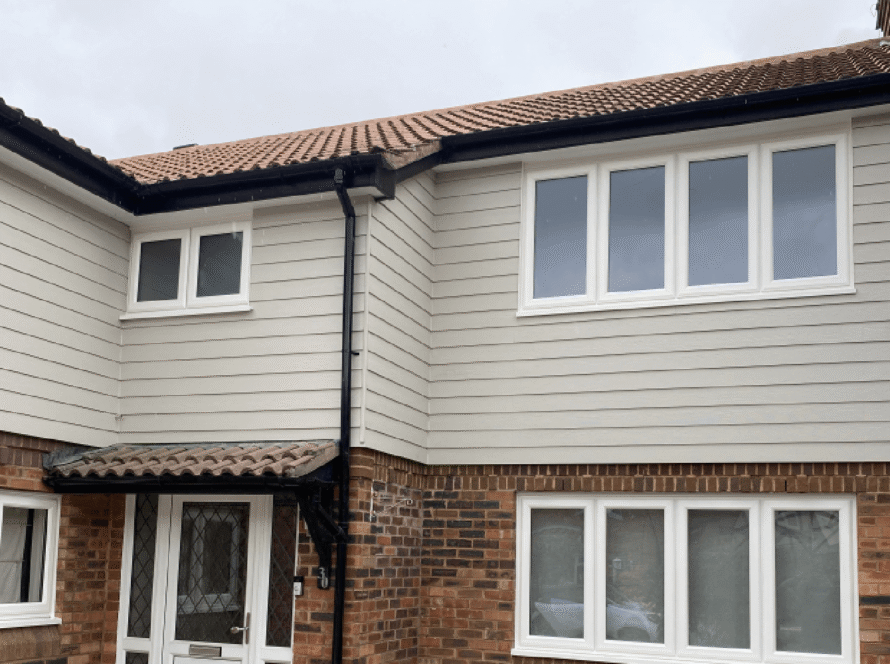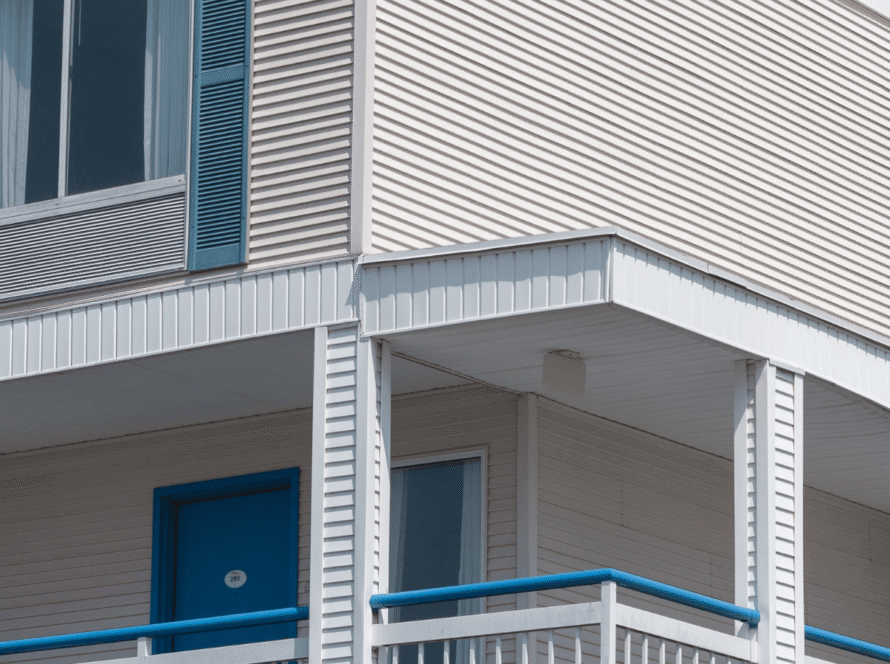
For many UK property owners, fascias, soffits, and guttering are only noticed when something goes wrong. Overflowing gutters, damp patches, peeling paint, and roofline rot are often symptoms of a system that has already failed.
In practical terms, fascias, soffits, and guttering form the protective edge of a property’s roofline. Together, they manage rainwater, protect roof timbers, support ventilation, and help prevent long-term structural damage.
For homeowners, landlords, and commercial property managers, maintaining the roofline is not simply cosmetic. It directly affects weather protection, EPC performance, maintenance costs, and long-term property value.
With more than 30 years of UK installation experience, professional installers regularly see preventable issues caused by poor-quality materials, inadequate ventilation, and incorrect guttering installation. Understanding how these systems work – and how they should be fitted under UK conditions – is essential before replacing or upgrading them.
What Are Fascias, Soffits, and Guttering?
Fascias are the horizontal boards fixed along the lower edge of the roof. They support the bottom row of roof tiles and provide the fixing point for gutters.
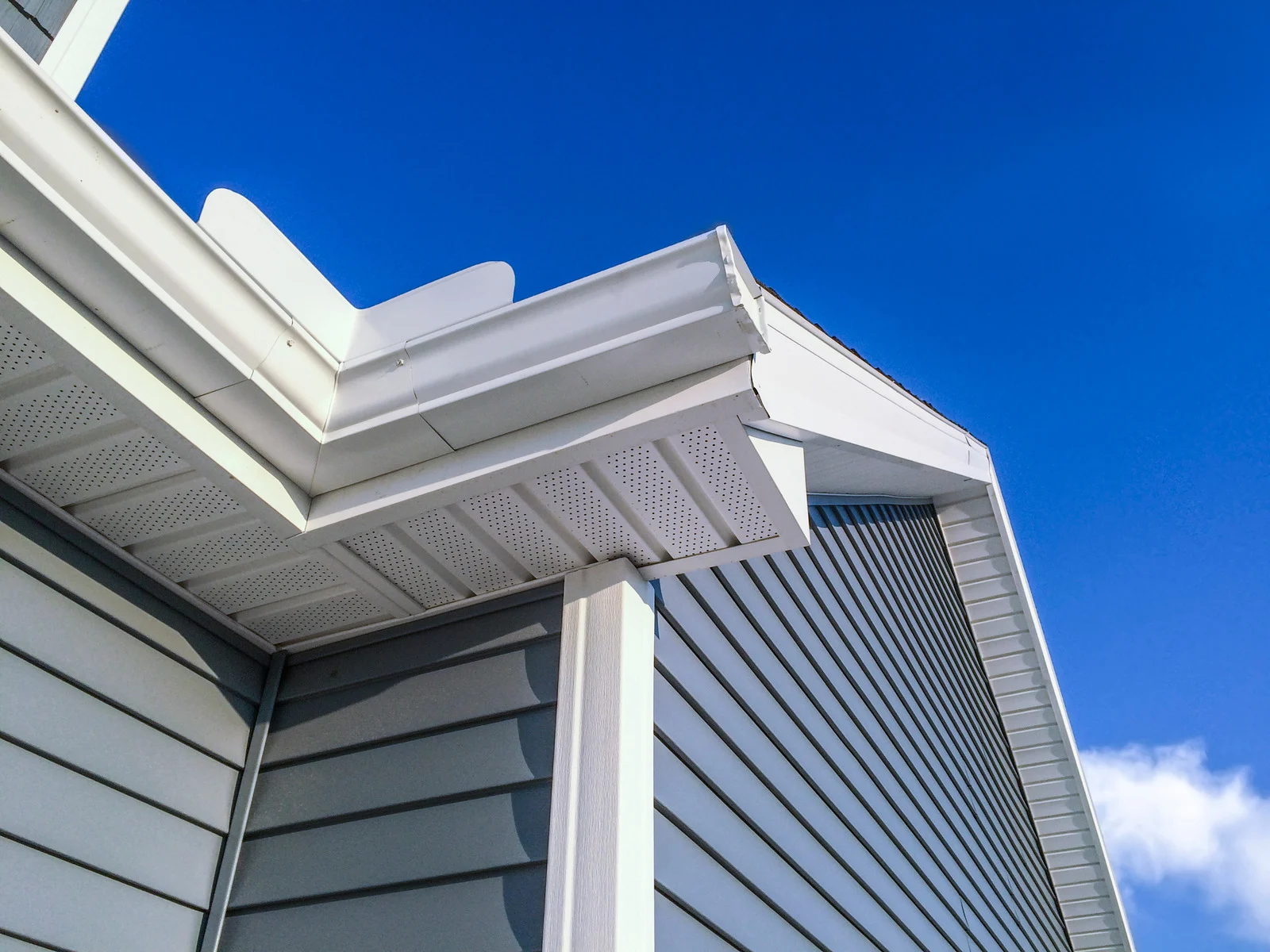
Soffits sit underneath the fascia board, bridging the gap between the roof edge and the external wall. Roof soffits also play a major role in roof ventilation.
Guttering channels rainwater safely away from the building into drainage systems.
When functioning correctly, these elements help protect against:
- Roof timber decay
- Penetrating damp
- Brickwork staining
- Foundation water damage
- Pest ingress
- Condensation build-up in loft spaces
On many older UK properties, particularly Victorian terraces and 1930s semi-detached homes, original timber fascias and soffits often suffer from rot after decades of exposure to wet weather. In coastal regions and high-rainfall areas, deterioration can accelerate significantly.
Modern replacement systems are typically manufactured from uPVC or aluminium, offering longer service life and reduced maintenance requirements.
Common Signs Your Roofline Needs Attention
Property owners often delay repairs because roofline issues are difficult to spot from ground level. However, experienced installers usually identify warning signs during external surveys.
Typical indicators include:
| Problem | Likely Cause |
|---|---|
| Gutters overflowing during rainfall | Blockages or incorrect fall angle |
| Peeling exterior paint | Water overflow or trapped moisture |
| Damp patches near ceilings | Failed gutter joints or fascia leaks |
| Birds or insects entering roof voids | Damaged soffit boards |
| Sagging gutters | Rotten fascia fixings |
| Moss growth near roof edges | Persistent moisture retention |
In many cases, guttering installation failures are linked to poor bracket spacing or inadequate allowance for thermal movement. Cheap plastic systems frequently warp after repeated temperature changes.
Another common issue across UK housing stock is insufficient ventilation through roof soffits. Poor airflow can trap condensation inside loft spaces, eventually causing mould growth and timber decay.
This is particularly important where loft insulation has been upgraded to improve EPC ratings. Increased insulation without matching ventilation improvements can create moisture problems.
Why Proper Soffit Installation Matters
Soffit installation is often underestimated during roofline replacement projects. In reality, it has a direct impact on roof health and building compliance.
Under UK Government Building Regulations, adequate roof ventilation is required to minimise condensation risk. Ventilated soffit systems help maintain airflow beneath the roof structure.
Poorly installed soffits can create several long-term problems:
- Condensation inside lofts
- Timber rot in rafters
- Reduced insulation effectiveness
- Increased mould risk
- Pest access points
Experienced installers assess ventilation needs based on:
- Roof pitch
- Loft insulation depth
- Property age
- Existing airflow routes
- Roofing material type
For example, many older UK homes were originally designed with natural draught ventilation. Once modern double glazing and insulation upgrades are installed, airflow patterns change significantly. Roofline ventilation often needs upgrading alongside other energy-efficiency works.
Continuous airflow systems generally perform better than isolated vent discs in larger roof areas.
Choosing the Right Materials for UK Weather Conditions
Material selection affects lifespan, maintenance requirements, appearance, and long-term value.
uPVC Roofline Systems
uPVC remains the most common option across UK residential properties due to affordability and low maintenance.
Advantages include:
- Resistant to rot and corrosion
- Minimal repainting requirements
- Wide colour availability
- Cost-effective installation
- Good weather resistance
However, lower-grade products can discolour or become brittle over time if exposed to prolonged UV radiation.
Aluminium Fascias and Guttering
Aluminium systems are increasingly popular for modern developments and commercial buildings.
Benefits include:
- Greater structural strength
- Slimmer visual appearance
- Longer lifespan
- Improved resistance to thermal movement
- Better performance on larger roof spans
Aluminium guttering installation is particularly effective on apartment blocks, retail premises, and architect-designed homes where durability and appearance are priorities.
Timber Rooflines
Timber remains suitable for listed buildings and heritage properties where planning constraints apply.
However, timber systems require:
- Regular repainting
- Ongoing moisture management
- Periodic inspections
- Higher maintenance budgets
Planning permission may also be required when replacing original materials on conservation properties.
Site Considerations That Affect Installation
Roofline replacement is rarely a simple one-day process on larger properties.
Several practical site considerations affect installation timescales and costs.
Access Requirements
Installers may require:
- Full scaffolding
- Mobile towers
- Cherry pickers
- Temporary access restrictions
Access complexity often increases on:
- Townhouses
- Commercial buildings
- Properties with conservatories
- Terraced homes with restricted rear access
Weather Delays
UK weather conditions regularly affect fitting schedules.
Heavy rain, strong winds, or icy conditions can delay safe installation, particularly during winter months.
Experienced contractors typically factor weather contingency into project planning rather than overpromising completion dates.
Hidden Structural Damage
During fascia removal, installers sometimes uncover:
- Rotten rafters
- Failed felt systems
- Damaged roof battens
- Historic water ingress
This is especially common where old timber fascias have been capped rather than fully replaced. Overcladding deteriorated timber may reduce short-term costs but often hides ongoing decay.
A full survey before guttering installation helps minimise unexpected structural discoveries later.
UK Compliance, Regulations, and Certification
Roofline replacement projects do not always require planning permission, but compliance still matters.
Key considerations include:
Building Regulations
Work affecting roof ventilation or drainage performance must comply with relevant UK Government Building Regulations.
Installers should ensure:
- Adequate roof ventilation
- Correct rainwater drainage
- Safe working practices
- Structural support integrity
FENSA and Competent Person Schemes
While FENSA is primarily associated with replacement windows and doors, reputable companies operating within the fenestration industry often follow wider compliance standards across external property upgrades.
Choosing installers linked to recognised schemes provides reassurance regarding workmanship and regulatory awareness.
Conservation Areas and Listed Buildings
Additional permissions may apply where properties are:
- Listed
- Located within conservation areas
- Subject to Article 4 Directions
Material choice, colour, and profile style may all require approval before installation begins.
Commercial property managers should also ensure compliance with health and safety obligations during access and scaffold operations.
Practical Maintenance Steps Property Owners Can Apply
Preventative maintenance significantly extends roofline lifespan.
Professional installers generally recommend:
Twice-Yearly Gutter Checks
Inspect gutters during:
- Late autumn
- Early spring
Look for:
- Blockages
- Joint leaks
- Standing water
- Loose brackets
Check Roof Soffits for Ventilation Obstructions
Ensure vents remain clear of:
- Insulation blockage
- Nesting materials
- Paint build-up
- Debris accumulation
Monitor External Walls
Water staining beneath gutters often indicates overflow or joint failure before internal damp becomes visible.
Avoid Pressure Washing
Aggressive cleaning can damage seals and force water into roof voids.
Soft washing methods are usually safer for uPVC systems.
Schedule Professional Inspections
Properties near trees, coastal areas, or exposed rural locations may require more frequent inspections due to increased debris and weather exposure.
Long-Term Value and Property Protection
Well-installed fascias, soffits, and guttering protect more than the roof edge. They help preserve the wider building envelope.
For landlords and commercial property managers, proactive roofline maintenance can reduce:
- Emergency repair costs
- Tenant complaints
- Internal damp remediation
- Timber replacement expenses
- External decoration cycles
For homeowners, modern roofline systems also improve kerb appeal and reduce maintenance demands over decades.
In many EPC-focused refurbishment projects, roof ventilation upgrades are now considered alongside insulation and window improvements to improve overall building performance.
A properly surveyed and professionally fitted system should provide reliable protection for many years with minimal intervention.
With more than 30 years of practical installation experience, Design A View delivers compliant, durable roofline solutions tailored to UK property conditions, helping homeowners and property professionals protect their buildings with confidence.
FAQs
Quality uPVC systems typically last 20 to 30 years, while aluminium systems can last significantly longer with proper maintenance. Lifespan depends heavily on installation quality and exposure to weather conditions.
Most standard replacements do not require planning permission. However, listed buildings and conservation area properties may require approval before work begins.
Capping involves covering existing timber with new boards. Full replacement removes deteriorated timber entirely before fitting new systems. Full replacement is generally recommended where rot or structural weakness exists.
Ventilated soffits help prevent condensation build-up inside roof spaces. Poor ventilation can lead to mould growth, damp problems, and timber decay.
Most residential installations cause relatively minor disruption, although scaffolding access, weather delays, and hidden roof damage can extend project timescales. Experienced installers will normally explain likely site impacts during the survey stage.