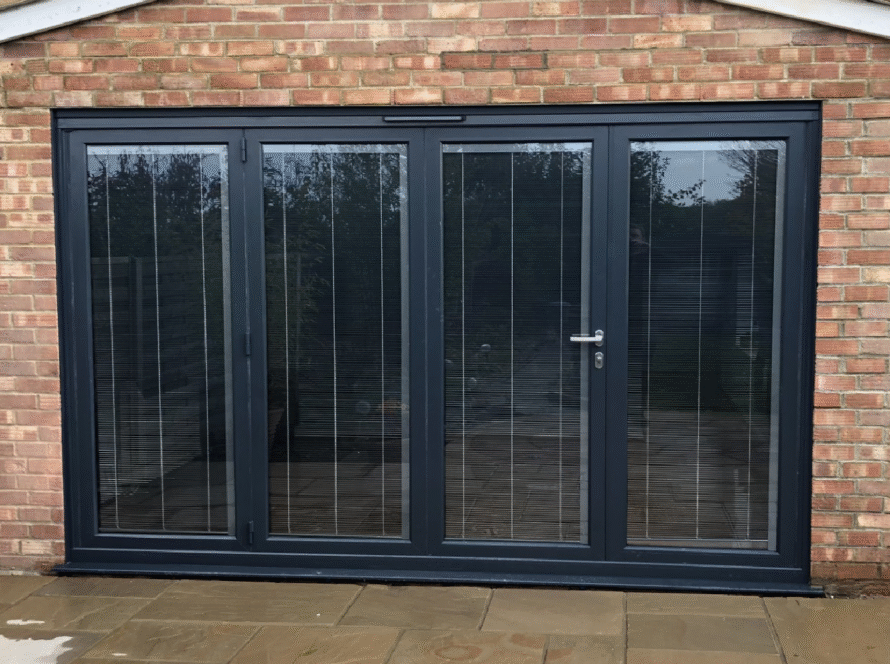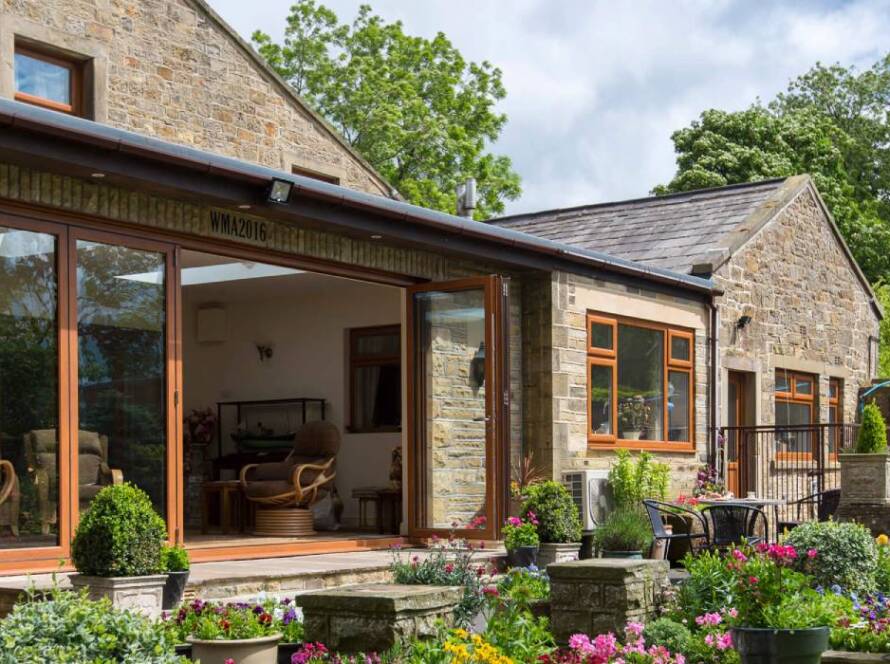
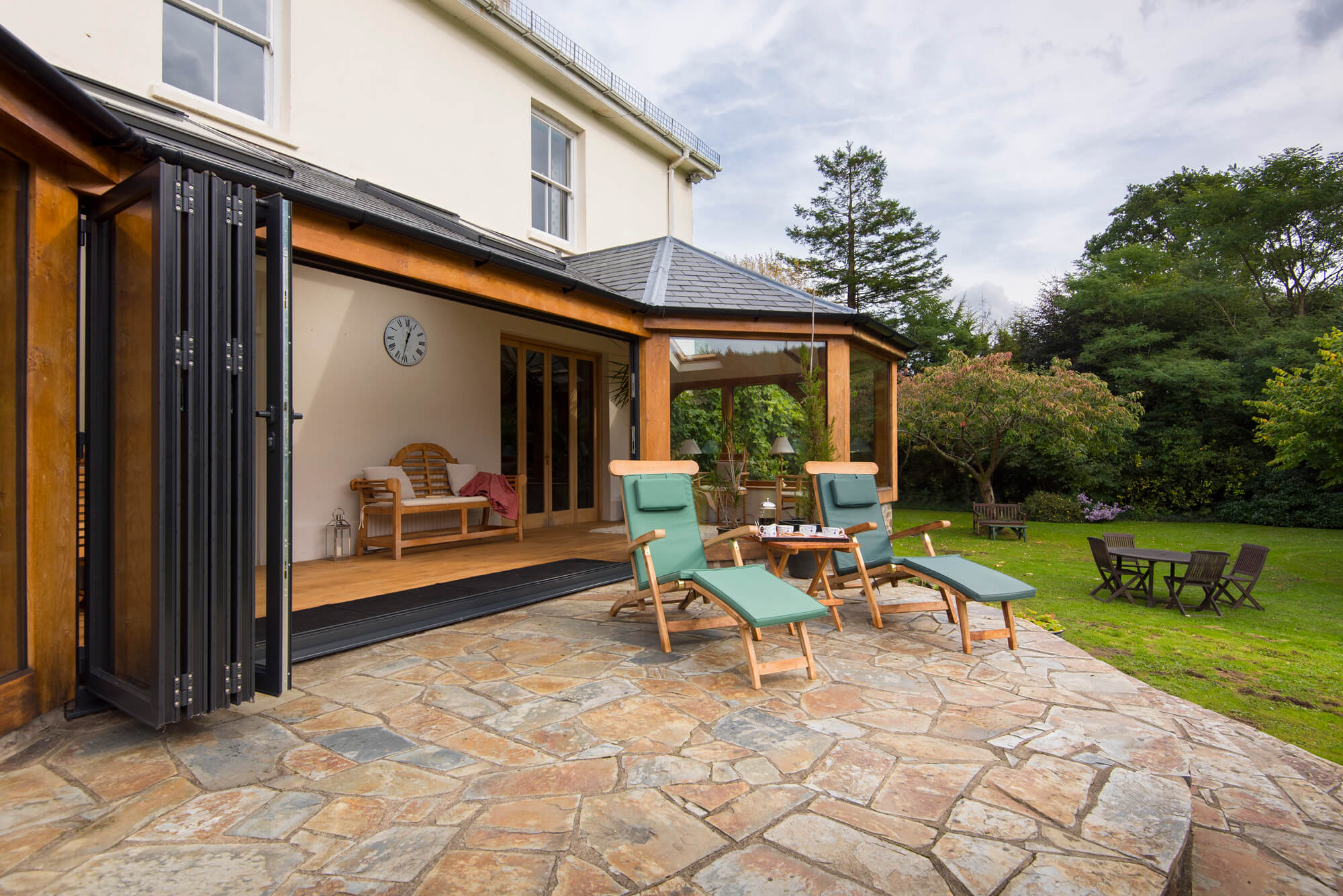
Bi-fold doors cambridge have become a common feature in Cambridge family homes because they solve several practical challenges at once. They improve access to gardens, maximise natural light, support energy efficiency targets, and suit both modern extensions and period properties commonly found across Cambridgeshire.
For homeowners investing in kitchen extensions, rear renovations, or open-plan living, bifold systems provide a wider opening than traditional patio or French doors.This is especially valuable in family homes where indoor-outdoor living has become part of modern property design.
From over 30 years of installation experience across the UK, the popularity of bifold systems in Cambridge is not simply about appearance. Property owners are increasingly focused on thermal efficiency, long-term maintenance, compliance with UK Building Regulations, and overall property value.
This article explains why bifold systems continue to grow in demand, what homeowners should consider before installation, and how to avoid common specification mistakes.
Why Cambridge Properties Suit Bifold Door Installations
Cambridge contains a wide mix of housing stock, including Victorian terraces, 1930s semi-detached homes, barn conversions, and contemporary developments. Bifold systems work particularly well because they can be adapted to different opening widths and architectural styles.
In practical terms, homeowners often choose bifold systems when:
- Extending kitchens into garden spaces
- Replacing ageing patio doors
- Renovating conservatories
- Improving EPC performance
- Increasing daylight in rear-facing rooms
- Modernising family living areas
The rise in rear extensions throughout Cambridge has also increased demand for larger glazed openings. Many property owners want uninterrupted views and better garden access without sacrificing insulation performance.
Aluminium systems remain especially popular because slim sightlines allow larger panes of glass while maintaining structural strength. This makes aluminium folding doors installation a common recommendation for wider openings.
For period properties, colour-matched powder-coated frames can help bifolds integrate more sympathetically with existing architectural features.
Common Cambridge installation environments include:
| Property Type | Typical Bifold Application |
|---|---|
| Victorian terrace | Rear kitchen extension |
| 1930s semi-detached | Garden-facing renovation |
| Modern new build | Full-width patio opening |
| Barn conversion | Large countryside glazing |
| Commercial office conversion | Open-plan courtyard access |
The Practical Advantages for Family Homes
The popularity of bifold systems is strongly linked to everyday usability rather than purely aesthetics.
Better Use of Space
Unlike traditional hinged patio systems, bifold panels stack neatly to one or both sides. This creates a larger clear opening and improves movement between indoor and outdoor areas.
For families, this becomes particularly useful during:
- Summer entertaining
- Garden supervision for children
- Improved ventilation
- Accessible garden access
- Dining area expansion
Many Cambridge homeowners now prioritise multifunctional living spaces. Bifold systems help create flexibility without requiring major structural redesign.
Improved Natural Light
Modern family homes increasingly favour open-plan layouts. Larger glazed areas allow daylight to travel deeper into the property, reducing dependence on artificial lighting.
This can positively influence:
- Perceived room size
- Interior brightness
- Energy consumption
- Buyer appeal
Triple glazing and solar-control glass are now frequently specified in south-facing Cambridge properties where overheating can become an issue during warmer months.
Energy Efficiency Performance
Older sliding doors and timber patio systems are often responsible for significant heat loss.
Modern best bifold patio doors now commonly achieve:
- Low U-values
- Improved draught sealing
- Better thermal breaks
- Enhanced weather resistance
Correct specification matters considerably. Poorly designed systems may still suffer from:
- Condensation
- Cold bridging
- Frame warping
- Air leakage
Compliance with current UK Government Building Regulations is essential, particularly Part L requirements relating to energy efficiency.
Homeowners replacing external doors should also ensure work is registered through FENSA or a similar competent person scheme.
Aluminium vs uPVC Bifold Systems
Material selection is one of the most important strategic decisions during specification.
Although uPVC systems are available, aluminium remains dominant in premium residential installations.
Aluminium Bifold Doors
Advantages:
- Slimmer frames
- Greater structural strength
- Larger opening widths
- Lower maintenance
- Better durability
- Modern appearance
Disadvantages:
- Higher upfront cost
- More complex installation requirements
uPVC Bifold Doors
Advantages:
- Lower purchase cost
- Suitable for smaller openings
- Good insulation performance
Disadvantages:
- Bulkier frames
- Less suitable for very wide spans
- Reduced lifespan compared with aluminium
For most Cambridge family homes, aluminium folding doors installation provides the best long-term performance and visual finish, particularly for larger rear extensions.
| Feature | Aluminium | uPVC |
|---|---|---|
| Lifespan | Excellent | Moderate |
| Frame thickness | Slim | Thicker |
| Maximum span | Larger | More limited |
| Maintenance | Low | Moderate |
| Cost | Higher | Lower |
| Modern aesthetics | Strong | Moderate |
Installation Considerations Often Overlooked
Many online articles ignore the practical realities involved in fitting bifold systems. In reality, surveying and structural preparation are critical.
Structural Support Requirements
Bifold systems are significantly heavier than standard patio doors. Wider openings often require:
- Steel lintels
- Structural calculations
- Reinforced thresholds
- Load-bearing assessments
This is particularly relevant in older Cambridge homes where existing masonry may require additional strengthening.
Threshold Choices
Homeowners frequently request flush thresholds for improved accessibility and aesthetics. However, completely flush systems can increase water ingress risk if drainage planning is poor.
An experienced installer will assess:
- Patio height levels
- Drainage falls
- Exposure to prevailing weather
- Accessibility requirements
Access Restrictions
Terraced Cambridge properties often present installation access challenges.
Common issues include:
- Limited rear garden access
- Narrow side passages
- Crane lifting requirements
- Restricted parking
- Conservation area constraints
These factors can affect:
- Installation timeframes
- Labour costs
- Glass delivery logistics
Weather Delays
Large aperture installations are weather-sensitive. During structural opening works, properties may temporarily remain exposed.
Professional installers typically:
- Monitor weather forecasts closely
- Use temporary weather protection
- Phase installation carefully
- Schedule glazing delivery precisely
These are genuine site realities homeowners should expect during bifold exterior doors replacement projects.
Compliance, Certification, and Planning Considerations
Legal compliance is a major part of external door installation in the UK.
Building Regulations
Replacement external doors must comply with current UK Government Building Regulations covering:
- Thermal efficiency
- Structural safety
- Ventilation
- Accessibility
- Glazing safety
Key areas include:
- Part L (energy efficiency)
- Part F (ventilation)
- Part K (glazing safety)
- Part M (accessibility)
FENSA Certification
Using a FENSA-registered installer simplifies compliance because the installation can be self-certified.
Homeowners should always receive:
- FENSA certificate
- Glass warranty documentation
- Manufacturer guarantees
- Maintenance guidance
Failure to obtain certification may create problems during future property sales.
Planning Permission
In many cases, bifold replacements fall under permitted development rights.
However, planning permission may still apply if:
- The property is listed
- Located in a conservation area
- Structural opening sizes change significantly
- The appearance materially alters the property
This is especially relevant within historic parts of Cambridge.
Long-Term Value and Property Appeal
Bifold systems are often viewed as a premium upgrade in UK housing markets.
While homeowners naturally consider appearance, long-term value is equally important.
Properly specified systems can contribute to:
- Improved EPC ratings
- Higher resale appeal
- Better thermal efficiency
- Reduced maintenance costs
- Enhanced garden usability
Buyers increasingly expect modern glazing solutions in renovated family homes.
However, performance depends heavily on installation quality. Even premium products can underperform if:
- Openings are incorrectly surveyed
- Frames are poorly levelled
- Drainage is inadequate
- Glazing units are incorrectly specified
This is why experienced surveying and installation teams remain critical.
Homeowners should avoid selecting systems purely on price alone.
Questions worth asking include:
- What U-value does the system achieve?
- Is the installer FENSA registered?
- What hardware warranty is included?
- How are drainage and thresholds managed?
- Is trickle ventilation compliant?
- What frame sightlines are available?
The best outcomes come from balancing:
- Budget
- Performance
- Compliance
- Longevity
- Property style
Choosing the Right Bifold Configuration
There is no single “best” bifold layout for every property.
Configuration depends on:
- Opening width
- Traffic flow
- Furniture positioning
- Structural limitations
- Preferred access door arrangement
Popular family-home layouts include:
- 3-panel systems
- 4-panel centre opening systems
- Traffic-door configurations
- Corner-opening arrangements
Traffic doors are particularly practical because they allow everyday use without folding the entire system open.
This detail is frequently overlooked during early specification stages.
Glass specification also matters greatly.
Common options include:
- Double glazing
- Triple glazing
- Solar control glass
- Acoustic glazing
- Self-cleaning coatings
- Toughened safety glass
An experienced installer should guide homeowners through these choices based on orientation, usage, and energy targets rather than upselling unnecessary upgrades.
Views of Bi-fold Doors
Bifold Doors remain popular in Cambridge family homes because they offer measurable practical advantages alongside contemporary design appeal.
For homeowners, landlords, and developers, the real value lies in:
- Better use of living space
- Improved daylight
- Strong thermal performance
- Enhanced garden access
- Long-term property appeal
Successful installations depend on far more than product selection alone. Structural preparation, drainage planning, compliance, access logistics, and glazing specification all influence final performance.
At Design A View, installations are approached with practical UK site experience, compliance knowledge, and over 30 years of industry understanding. Careful surveying, certified installation practices, and realistic project planning remain essential to achieving reliable long-term results.
Frequently Asked Questions
Yes. Many Victorian and 1930s Cambridge properties successfully accommodate bifold systems, although structural assessments and lintel upgrades are often required.
Modern thermally broken systems with efficient glazing can contribute positively to EPC performance by reducing heat loss and improving insulation efficiency.
Usually not for direct replacements, but listed buildings and conservation areas may require additional approvals.
Most standard residential installations take between one and three days depending on structural work, access restrictions, and weather conditions.
For most larger openings, aluminium systems offer the best balance of strength, slim sightlines, durability, and long-term performance.