Traditional British homes often come with architectural features that homeowners are keen to preserve. From Victorian terraces and Georgian townhouses to Edwardian cottages and period farmhouses, replacing ageing windows without compromising character is a common challenge. Modern uPVC Windows Heritage solutions are now designed specifically to address this issue, combining traditional appearance with current thermal performance, security standards, and lower maintenance requirements.
For UK homeowners, landlords, and property managers, the decision involves more than appearance alone. Window replacement in heritage-style properties must consider planning restrictions, glazing performance, ventilation requirements, installation practicality, and compliance with UK Building Regulations. The right specification can improve EPC ratings, reduce heat loss, and maintain the visual integrity of the property simultaneously.
With more than 30 years of installation experience across varied UK property types, experienced installers understand that heritage projects require careful surveying, sympathetic detailing, and realistic planning around access, weather, and structural condition.
Why Heritage Properties Need a Different Window Approach
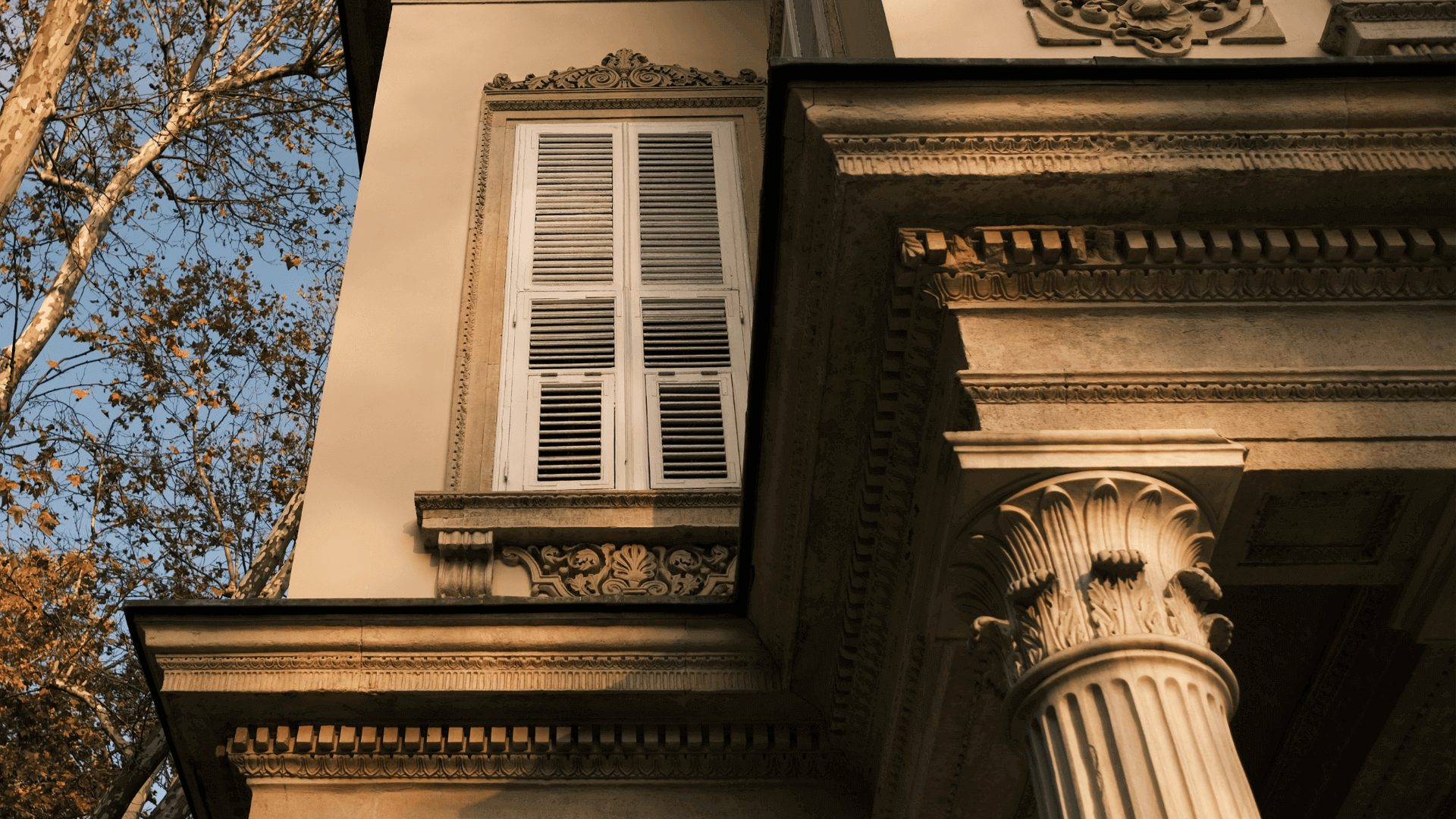
Many period-style homes were originally fitted with timber sash or casement windows featuring slim sightlines, decorative glazing bars, and deep external reveals. Standard modern frames often look visually incorrect on these properties.
Heritage-style uPVC systems are manufactured specifically to replicate traditional aesthetics while meeting modern performance standards.
Typical heritage-style features include:
- Mechanically jointed frames instead of welded corners
- Timber-effect foils and woodgrain finishes
- Flush sash designs
- Slimline double glazing
- Traditional hardware and monkey tail handles
- Georgian bar detailing
- Deep bottom rails for period authenticity
Unlike older-generation plastic windows, modern heritage uPVC profiles are considerably more refined and visually appropriate for conservation-sensitive environments.
This is particularly important in:
- Victorian terraces
- Edwardian semi-detached homes
- Country cottages
- Converted barns
- Listed-adjacent properties
- Conservation area housing stock
Understanding Legal Compliance for Heritage Window Replacements
One of the biggest misconceptions among UK property owners is that all heritage properties require timber replacements. In reality, many local authorities now permit carefully selected heritage-style uPVC installations, provided the visual appearance remains appropriate.
However, compliance varies significantly depending on property status.
Conservation Areas
Properties within conservation areas may require planning permission for changes affecting external appearance.
Local councils often assess:
- Frame thickness
- Opening style
- Glazing bar arrangement
- External colour
- Reflectivity of glass
- Sightlines
In many cases, flush-style uPVC windows are accepted where standard sculptured frames would be rejected.
Listed Buildings
Listed properties usually require Listed Building Consent before any replacement work begins. Approval criteria are substantially stricter.
For Grade II listed homes, councils may insist on:
- Timber replication
- Specific glazing specifications
- Retention of original openings
- Traditional putty-style finishes
An experienced installer should assist with technical drawings and specification documentation during the planning process.
Building Regulations Compliance
Regardless of property type, replacement windows in England must comply with current UK Government Building Regulations, particularly:
- Part L – Energy efficiency
- Part F – Ventilation
- Part K – Safety glazing
- Part Q – Security standards for some developments
Installations completed by a registered FENSA installer provide certification confirming compliance without separate council inspections.
Failure to obtain certification can create issues during property sales and affect EPC documentation.
Choosing the Right uPVC Window Style for Period Homes
Not all heritage homes suit the same window design. Matching the architectural period is essential for maintaining kerb appeal and avoiding mismatched replacements.
Flush Casement Windows
Flush sash systems sit level within the outer frame, closely replicating traditional timber joinery.
These are particularly suitable for:
- Cottages
- Rural homes
- Arts and Crafts properties
- 1930s houses
Flush designs offer one of the most authentic heritage appearances available in uPVC.
Sliding Sash Windows
Modern uPVC sliding windows replicate vertical timber sash systems while incorporating balances, tilt functionality, and improved thermal efficiency.
Best suited for:
- Georgian homes
- Victorian terraces
- Edwardian townhouses
Well-designed sash systems maintain traditional proportions while eliminating common timber issues such as sticking sashes and draught gaps.
Traditional Chamfered Casements
For less formal period properties, slim chamfered casement frames may provide the right balance between authenticity and affordability.
These are often selected for:
- Mid-century properties
- Ex-local authority homes
- Rental refurbishments
- Larger portfolio upgrades
uPVC Double Glazing and EPC Improvements
Energy performance has become a major consideration for both homeowners and landlords, particularly as EPC requirements continue tightening across the UK rental sector.
Modern uPVC double glazing significantly improves thermal efficiency compared with older timber single glazing or early-generation double glazing systems.
Benefits typically include:
- Reduced heat loss
- Lower condensation risk
- Improved acoustic insulation
- Better draught reduction
- Increased EPC scores
Most heritage-compatible systems now achieve:
- A-rated window performance
- Low U-values
- Argon-filled glazing units
- Low-emissivity coatings
However, glazing specification must be balanced carefully against appearance.
Overly thick glazing units can create:
- Bulky sightlines
- Incorrect reflection profiles
- Reduced authenticity
Experienced surveyors often recommend slimline double glazing in visually sensitive properties to preserve traditional proportions.
Practical Installation Considerations in Older UK Properties
Installing replacement uPVC windows in heritage homes rarely follows a straightforward process. Older buildings frequently present structural and logistical challenges that modern estates do not.
Common on-site issues include:
- Uneven brickwork
- Out-of-square openings
- Rotten timber lintels
- Hidden structural movement
- Fragile internal plaster
- Limited access for scaffolding
- Narrow terraced property entrances
These realities affect both installation timeframes and final detailing quality.
Typical Installation Timeframes
For heritage properties, realistic timelines are essential.
A standard three-bedroom period property may require:
| Installation Stage | Typical Duration |
|---|---|
| Initial survey | 1-2 weeks |
| Manufacturing | 3-6 weeks |
| Scaffolding setup | 1 day |
| Window installation | 2-5 days |
| Internal making good | 1-3 days |
Weather delays remain a genuine consideration, particularly during winter installations where exposed openings can create temporary internal disruption.
Professional installers usually phase replacements room-by-room to minimise heat loss and maintain property security throughout the process.
Material Comparison: uPVC vs Timber vs Aluminium
Choosing the correct material involves balancing appearance, maintenance, longevity, and budget.
| Feature | Heritage uPVC | Timber | Aluminium |
|---|---|---|---|
| Maintenance | Low | High | Low |
| Heritage appearance | Very good | Excellent | Moderate |
| Lifespan | 25-35 years | Variable | 40+ years |
| Thermal efficiency | Excellent | Good | Very good |
| Cost | Moderate | High | High |
| Conservation suitability | Often accepted | Widely accepted | Case-dependent |
| Painting required | No | Yes | No |
For many UK homeowners, replacement uPVC windows provide the most practical balance between aesthetics, compliance, and long-term running costs.
Timber remains appropriate for certain listed properties, but maintenance obligations are considerably higher.
Surveying Checklist Before Ordering Heritage Windows
Proper surveying is critical in older properties. Measurement inaccuracies or overlooked structural issues can create expensive delays.
An experienced uPVC window installers team will typically assess:
External Factors
- Brickwork condition
- Existing lintel support
- Damp penetration
- Drainage above openings
- Access equipment requirements
Internal Factors
- Reveal condition
- Plaster integrity
- Existing cavity insulation
- Ventilation compliance
- Curtain or shutter clearance
Compliance Checks
- Fire escape requirements
- Trickle vent specifications
- Toughened glazing zones
- Conservation restrictions
- EPC improvement targets
Skipping thorough surveys is one of the most common causes of heritage installation problems.
Long-Term Value and Maintenance Considerations
Heritage-style uPVC systems are often selected because they reduce ongoing ownership costs while retaining period character.
Compared with traditional timber windows, modern uPVC systems eliminate:
- Regular sanding
- Repainting cycles
- Rot treatment
- Putty repairs
- Seasonal swelling issues
Maintenance usually involves:
- Occasional hinge lubrication
- Cleaning drainage channels
- Glass cleaning
- Seal inspections
This makes them particularly attractive for:
- Rental properties
- Commercial conversions
- Holiday lets
- Multi-property portfolios
From an investment perspective, sympathetic window upgrades can positively influence:
- EPC ratings
- Buyer perception
- Property valuation
- Tenant demand
- Heating efficiency
Poorly chosen replacements, however, can negatively affect kerb appeal and conservation compliance.
Working with Experienced Heritage Window Installers
Heritage-style installations require more than standard fitting experience. The quality of surveying, frame specification, and finishing details often determines whether replacement windows enhance or detract from the property.
Professional installation teams should provide:
- Detailed surveys
- Compliance guidance
- FENSA certification
- Heritage-appropriate product recommendations
- Realistic lead times
- Clear aftercare information
At Design A View, heritage projects are approached with careful attention to period detailing, compliance requirements, and practical installation realities developed through more than 30 years of UK window installation experience. The focus remains on delivering modern performance without compromising the character that makes heritage homes distinctive.
Frequently Asked Questions
Yes, in many cases. Acceptance depends on local authority requirements, frame appearance, opening style, and overall visual impact. Flush sash heritage systems are often more likely to gain approval than standard modern profiles.
Yes. Replacement window installations in England generally require Building Regulations compliance certification. Using a FENSA registered installer simplifies this process.
Modern heritage systems can closely replicate timber appearance using woodgrain finishes, mechanical joints, slim sightlines, and traditional hardware.
Yes. Most modern systems incorporate advanced uPVC double glazing, low-emissivity coatings, and argon gas-filled units that significantly outperform older glazing.
Quality systems professionally installed in UK conditions commonly last between 25 and 35 years with relatively low maintenance requirements.