Upgrading to modern aluminium windows is one of the most effective ways to improve thermal efficiency, security, appearance, and long-term property value in the UK. For homeowners, landlords, and developers, the decision goes beyond aesthetics. It involves compliance with UK Building Regulations, energy performance targets, surveying accuracy, installation quality, and choosing systems suitable for the property type.
With more than 30 years of experience in the UK glazing industry, experienced installers consistently see the same issues arise during replacement projects: incorrect measuring, unsuitable frame specifications, poor ventilation planning, and non-compliant installations. The right approach avoids these costly mistakes while delivering a durable and efficient result.
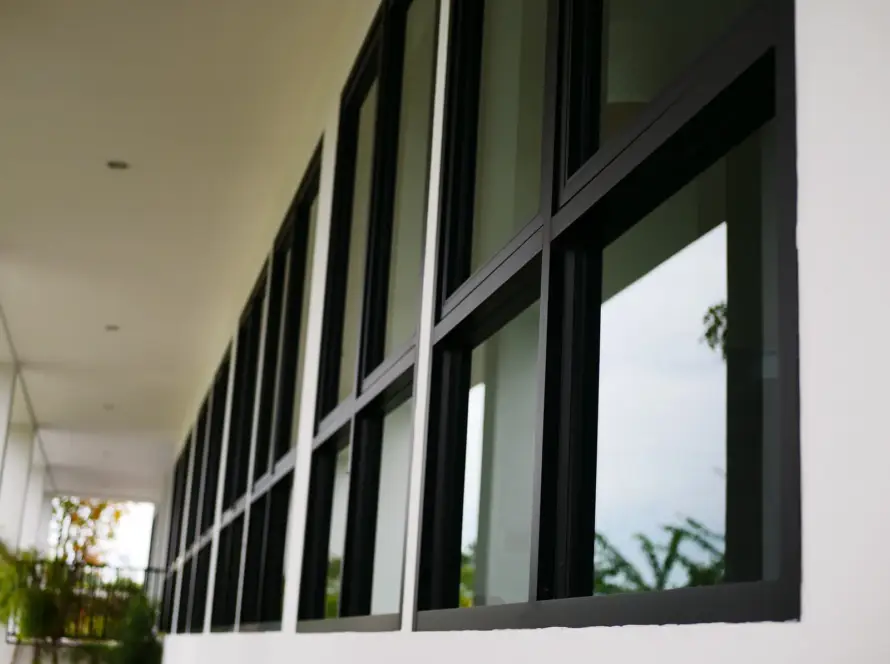
Modern aluminium systems now compete directly with timber and uPVC on thermal performance, while offering slimmer sightlines and longer service life. This is particularly relevant for projects involving slimline aluminium windows, heritage renovations, and large glazed openings.
Why Aluminium Windows Remain a Leading Choice in the UK
Aluminium frames have evolved significantly over the last decade. Earlier systems were often criticised for condensation and poor insulation, but modern thermally broken profiles now achieve impressive energy ratings suitable for UK climate requirements.
What are thermally broken aluminium windows?
A thermally broken frame contains an insulating barrier between the interior and exterior aluminium sections. This reduces heat transfer and improves overall thermal performance.
For UK properties, this matters because replacement windows must comply with current energy efficiency standards under UK Government Building Regulations.
Key advantages of aluminium systems
| Feature | Practical Benefit |
|---|---|
| Slim frame profiles | Larger glass area and increased natural light |
| Structural strength | Ideal for large openings and modern glazing designs |
| Powder-coated finishes | Low maintenance and weather resistance |
| Long lifespan | Often exceeds 40 years with correct installation |
| High security compatibility | Multi-point locking and PAS 24 options |
| Recyclable material | Strong sustainability credentials |
This makes aluminium particularly suitable for:
- Contemporary new-build properties
- Apartment developments
- Commercial buildings
- Heritage-style properties requiring slim sightlines
- Extensions with large glazed elevations
- Homes using bifold or sliding systems
Understanding UK Compliance Before Replacing Windows
One of the most overlooked aspects of window replacement is legal compliance. Property owners searching for “aluminium windows near me” often focus solely on price, without checking whether the installation meets UK certification requirements.
Building Regulations requirements
Replacement windows in England and Wales must comply with:
- Part L – Conservation of fuel and power
- Part F – Ventilation
- Part K – Protection from falling and impact
- Part Q – Security requirements (new builds)
Modern aluminium windows typically require:
- Low-emissivity glazing
- Adequate trickle ventilation
- Toughened safety glass in critical locations
- Minimum thermal performance standards
Failure to comply can create issues when selling or refinancing a property.
FENSA certification
Using a FENSA-registered installer provides:
- Self-certification of compliance
- Reduced administrative burden
- Evidence for conveyancing
- Consumer protection assurances
Experienced installers understand that compliance is not simply paperwork. Incorrect ventilation provision or undersized fire escape openings are common real-world issues identified during surveys.
EPC implications
Window upgrades can improve a property’s Energy Performance Certificate (EPC) rating, particularly when replacing:
- Single glazing
- Early-generation aluminium frames
- Failed double glazing
- Poorly insulated timber systems
For landlords, EPC standards are increasingly important due to minimum efficiency requirements for rental properties.
Choosing the Right Aluminium Window System for Your Property
Not every aluminium system suits every building. An experienced installer assesses:
- Exposure to weather
- Structural openings
- Existing lintel condition
- Thermal bridging risks
- Property age
- Planning restrictions
Slimline aluminium windows for heritage and modern homes
Slimline aluminium windows are increasingly popular because they maximise glazing while maintaining narrow sightlines.
They work particularly well for:
- Art deco properties
- Industrial-style renovations
- Contemporary extensions
- Conservation-sensitive replacements
However, surveying is critical. Older properties often have uneven reveals and hidden structural movement. Slim profiles leave less room for installation tolerances, meaning precision fitting becomes essential.
Double glazing vs triple glazing
For most UK homes, high-quality double glazing within an aluminium system is sufficient. Triple glazing may benefit:
- Exposed rural locations
- High-noise environments
- Low-energy new builds
However, triple glazing increases:
- Frame weight
- Structural loading
- Installation complexity
- Overall project cost
Experienced installers balance thermal performance against practical site realities rather than automatically recommending the highest specification.
Security considerations
Modern aluminium systems can include:
- PAS 24 certification
- Laminated security glass
- Internal beading
- Multi-point locking systems
Ground-floor glazing and accessible openings should always be assessed from a security perspective during specification.
Installation Realities Most Property Owners Overlook
The practical installation stage often determines whether a project succeeds long term.
Even premium aluminium products can fail prematurely if installed incorrectly.
Common site issues during replacement projects
Uneven structural openings
Older UK properties rarely have perfectly square apertures. Surveyors often encounter:
- Bowed brickwork
- Settlement movement
- Decayed timber subframes
- Hidden cavity issues
Correct packing, alignment, and sealing techniques are essential.
Access restrictions
Upper-floor installations may require:
- Scaffolding
- Specialist lifting equipment
- Traffic management permits
- Manual handling assessments
This affects project timelines and pricing.
Weather delays
UK weather conditions directly affect:
- Silicone curing
- External sealing
- Safe lifting operations
- Water ingress protection
Experienced installation teams build contingency into schedules, especially during winter months.
Typical fitting timeframes
| Project Type | Estimated Installation Time |
|---|---|
| Single replacement window | Half day |
| Full house window replacement | 2-5 days |
| Large aluminium glazing project | 1-2 weeks |
| Complex heritage installation | Variable depending on structural works |
Properties occupied during installation require careful planning to minimise disruption, particularly where large openings or structural alterations are involved.
Aluminium vs uPVC: Which Offers Better Long-Term Value?
Many UK homeowners compare aluminium directly with uPVC before committing to replacement works.
The answer depends on property goals, budget, and lifespan expectations.
| Factor | Aluminium Windows | uPVC Windows |
|---|---|---|
| Appearance | Slim and modern | Bulkier profiles |
| Lifespan | Typically longer | Good but shorter overall |
| Structural strength | Excellent | Moderate |
| Maintenance | Low | Low |
| Colour stability | Excellent powder coating | Can fade over time |
| Cost | Higher initial investment | Lower upfront cost |
| Recyclability | Highly recyclable | Limited compared to aluminium |
When aluminium is usually the better investment
Experienced installers often recommend aluminium for:
- High-value properties
- Contemporary architecture
- Large glazed openings
- Commercial projects
- Coastal environments
- Long-term ownership plans
uPVC may still suit:
- Budget-conscious replacements
- Smaller openings
- Standard suburban properties
The decision should focus on lifecycle value rather than simply installation cost.
Considering Aluminium Bifold Windows and Larger Openings
The rise in open-plan living has increased demand for larger glazed systems, including Aluminium bifold windows and associated door configurations.
These systems allow:
- Wider uninterrupted views
- Improved daylight
- Better indoor-outdoor connection
- Flexible ventilation options
However, larger glazed openings introduce additional technical considerations.
Structural requirements
Large openings may require:
- New steel lintels
- Structural calculations
- Temporary support works
- Building Control involvement
Drainage and threshold detailing
Poor threshold design remains one of the biggest causes of water ingress complaints in bifold installations.
Professional installers assess:
- External ground levels
- Drainage falls
- Exposure category
- Wind-driven rain risk
Glass specification matters
For large aluminium systems, glazing choice affects:
- Solar gain
- Overheating risk
- Acoustic insulation
- Safety compliance
South-facing installations particularly benefit from solar control glass to reduce summer overheating.
Practical Checklist Before Upgrading Aluminium Windows
Before committing to a supplier or installer, experienced professionals recommend the following checklist.
Pre-installation checklist
Confirm installer credentials
- FENSA registered
- Public liability insurance
- Product warranties
- UK trading history
Review technical specifications
- U-values
- Glass performance
- Ventilation compliance
- Security certification
Ask survey-related questions
- Are openings checked for structural movement?
- Will trims or render repairs be needed?
- Are scaffolding costs included?
Understand project timelines
- Manufacturing lead times
- Installation duration
- Weather contingencies
- Waste removal arrangements
Clarify aftercare
- Warranty terms
- Adjustment periods
- Maintenance requirements
- Glass guarantee coverage
These practical details often matter more than headline pricing alone.
Why Professional Installation Experience Still Matters
High-quality aluminium systems require precise installation techniques. Even small errors in levelling, sealing, or expansion allowance can affect:
- Draught performance
- Water tightness
- Operational smoothness
- Glass stress loading
- Long-term durability
An experienced UK installer understands regional weather exposure, Building Regulation compliance, and practical property-specific challenges that online-only suppliers may overlook.
Design A View approaches aluminium window projects with a survey-led process shaped by more than 30 years of installation experience. From slimline replacements to large-scale glazing upgrades, the focus remains on compliant installation, realistic project planning, and long-term performance rather than short-term sales messaging.
For property owners considering aluminium upgrades, obtaining a detailed technical survey before committing to products or pricing remains the most important first step.
FAQs
Aluminium windows generally offer slimmer sightlines, greater structural strength, and longer lifespan than uPVC. They are particularly suitable for modern properties and large glazed openings, although they usually cost more initially.
Yes. In most UK replacement projects, installations must comply with Building Regulations. Using a FENSA-registered installer helps ensure certification and legal compliance.
High-quality powder-coated aluminium windows can last 40 years or more when properly installed and maintained.
Yes. Slimline systems are commonly used in heritage-style renovations and period properties where narrow sightlines are important. However, careful surveying is essential due to uneven openings in older buildings.
Modern thermally broken aluminium systems with efficient glazing can contribute positively to EPC ratings by reducing heat loss and improving overall energy performance.