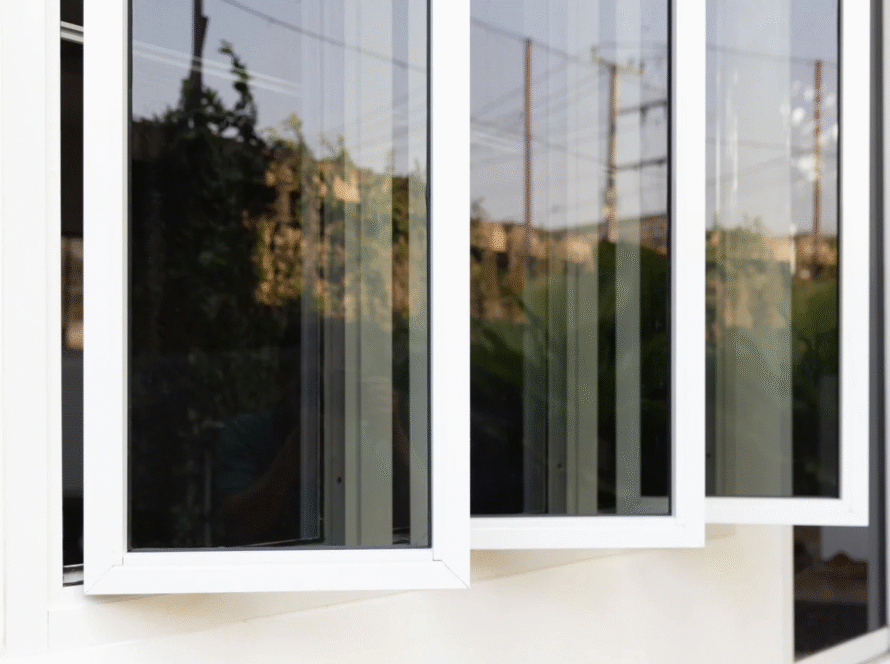
Homeowners and property developers looking for durable, low-maintenance glazing increasingly choose Aluminium Windows in Harpenden for both modern builds and period property upgrades. Aluminium frames offer slim sightlines, strong thermal performance, and long-term structural reliability, making them suitable for everything from Victorian renovations to contemporary extensions.
Unlike older aluminium systems from previous decades, modern thermally broken frames now meet demanding UK energy standards while providing a cleaner architectural finish than many bulkier alternatives. For properties in Harpenden, where planning sensitivity, kerb appeal, and EPC performance often influence purchasing decisions, aluminium systems can provide an effective balance between aesthetics and compliance.
For installers, however, aluminium projects require careful surveying, specification accuracy, and compliance management. Material expansion, glazing weight, drainage detailing, and structural openings all need proper consideration before fitting begins.
Why Aluminium Windows Are Popular in Harpenden Properties
Harpenden contains a wide mix of housing stock, including Edwardian homes, detached family properties, new-build developments, and commercial premises. Aluminium systems work particularly well because they adapt to both traditional and modern architectural styles.
Common reasons UK property owners choose aluminium:
- Slimmer frame profiles allowing more natural light
- Stronger structural performance for larger openings
- Long lifespan with minimal maintenance
- Better resistance to warping and swelling compared to timber
- Powder-coated finishes with excellent colour durability
- Improved thermal efficiency with modern thermal breaks
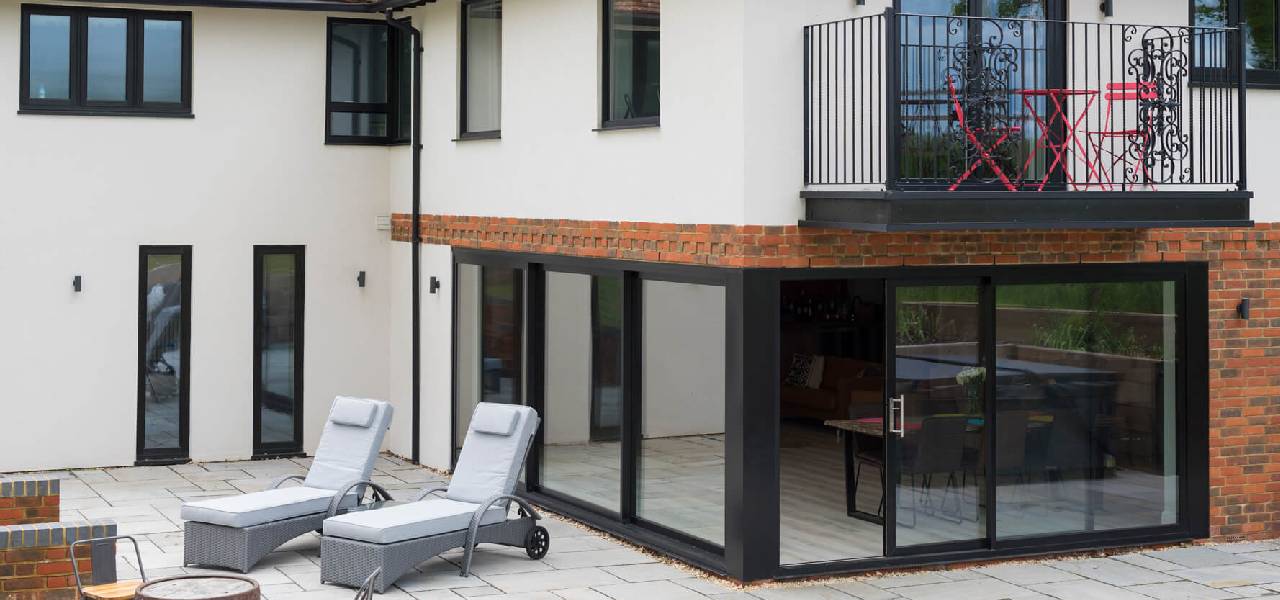
Many customers now request Slim aluminium windows because they create a more contemporary appearance while maximising glass area. This is particularly popular in rear extensions, kitchen renovations, and garden-facing elevations.
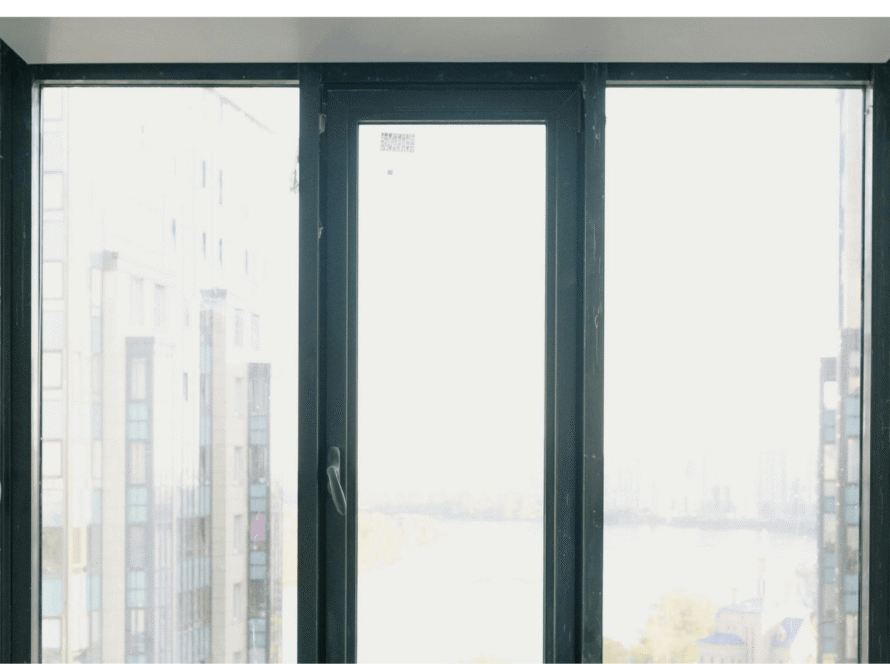
Another major trend is the demand for Grey aluminium windows, especially anthracite grey (RAL 7016). This finish complements modern brickwork, render systems, and bifold door installations while remaining relatively neutral for resale appeal.
For landlords and commercial property managers, aluminium frames also reduce ongoing maintenance liabilities compared with painted timber systems.
Understanding UK Compliance Requirements Before Installation
Replacing windows in England is not simply a cosmetic upgrade. Most installations fall under UK Building Regulations and require certification.
Key compliance considerations include:
FENSA or Building Control approval
Installers registered with FENSA can self-certify replacement window installations. This avoids the need for separate local authority inspections.
Part L Building Regulations
Replacement glazing must meet minimum thermal efficiency standards under Part L of the UK Government Building Regulations framework.
Safety glazing requirements
Toughened or laminated safety glass may be legally required in critical locations such as:
- Doors
- Side panels near doors
- Low-level glazing
- Staircase areas
Planning permission
Most replacement windows fall under permitted development rights. However, listed buildings or conservation areas around Hertfordshire may require additional approvals.
EPC considerations
Energy-efficient glazing can positively support Energy Performance Certificate ratings, particularly when replacing older single-glazed timber or steel frames.
A professional installer should clearly explain:
- Whether planning permission applies
- Which glazing specification is suitable
- Expected U-values
- Certification process after completion
This distinction between compliance and product choice is important. Many homeowners incorrectly assume “energy efficient” automatically means legally compliant.
Aluminium vs uPVC vs Timber: Practical UK Considerations
Material selection should reflect property style, budget, maintenance expectations, and long-term value rather than trends alone.
| Feature | Aluminium | uPVC | Timber |
|---|---|---|---|
| Lifespan | 40+ years | 20-30 years | Variable with maintenance |
| Maintenance | Low | Low | High |
| Slim sightlines | Excellent | Moderate | Good |
| Strength | Excellent | Moderate | Good |
| Thermal efficiency | Excellent with thermal break | Excellent | Excellent |
| Heritage suitability | Moderate to high | Limited | Excellent |
| Cost | Higher initial cost | Lower | Higher ongoing cost |
For many Harpenden homeowners, aluminium becomes attractive where:
- Larger glazed openings are planned
- Modern aesthetics matter
- Long-term durability outweighs upfront cost
- Minimal maintenance is preferred
In extension projects, combining aluminium doors and windows creates a consistent finish across bifolds, roof lanterns, and fixed glazing.
The Realities of Surveying and Installation
Window installation problems usually originate during surveying rather than fitting itself.
After more than 30 years working across UK residential and commercial glazing projects, one consistent issue remains clear: no two openings are truly square.
Older Harpenden properties commonly present:
- Uneven brick reveals
- Movement around lintels
- Non-standard cavity depths
- Hidden structural settlement
- Previous poor-quality replacement work
Professional surveys should include:
- Structural opening checks
- Plumb and level measurements
- Drainage assessment
- Access limitations
- Internal finishing requirements
- Ventilation compliance
Common installation realities homeowners should expect
Installation timeframe
A standard residential installation may take:
- 1 day for smaller properties
- 2-4 days for larger replacements
- Longer where structural alterations are involved
Weather delays
Heavy rain or high winds can delay fitting, especially when large openings remain exposed.
Internal disruption
Dust, noise, and temporary loss of room access are normal during removal and fitting stages.
Lead times
Powder-coated aluminium systems generally require longer manufacturing times than standard uPVC products.
Proper installers will explain these factors in advance rather than presenting unrealistic schedules.
Glazing Options and Thermal Performance
Frame quality alone does not determine efficiency. Glass specification plays a major role in comfort, heat retention, and condensation control.
Common glazing specifications include:
Double glazing
Still the standard choice for most UK homes.
Triple glazing
Useful in:
- High-noise environments
- Low-energy homes
- Large exposed elevations
Solar control glass
Helps reduce overheating in south-facing rooms.
Acoustic glazing
Useful near roads, schools, or railway routes.
Modern aluminium systems now regularly achieve competitive thermal performance thanks to improved thermal break technology.
Typical performance targets include:
- U-values compliant with Part L
- Improved airtightness
- Reduced cold bridging
- Better condensation resistance
For landlords, these upgrades can support improved EPC performance and tenant comfort simultaneously.
Choosing the Right Finish and Style
The best aluminium installations complement the property rather than dominating it.
Popular styles in Harpenden include:
Flush aluminium windows
Designed to replicate traditional timber aesthetics with cleaner lines.
Contemporary slimline systems
Popular for extensions and architectural renovations.
Heritage-inspired aluminium frames
Suitable for older homes requiring steel-look appearances.
Popular colour choices
- Anthracite grey
- Black textured finishes
- Dual-colour systems
- White interiors with darker external frames
While Grey aluminium windows remain dominant, colour selection should also consider:
- Roofline materials
- Brick tones
- Future resale appeal
- Maintenance visibility
- Interior lighting conditions
A professional surveyor should provide physical colour samples because finishes can appear very different outdoors versus showroom lighting.
Cost Factors UK Property Owners Should Understand
Accurate aluminium window pricing depends on specification rather than headline square metre rates.
Major cost influences include:
- Frame system quality
- Glass specification
- Structural alterations
- Access equipment requirements
- Heritage compliance
- Colour finish
- Ventilation systems
- Hardware upgrades
Cheaper systems sometimes reduce:
- Thermal break quality
- Powder coating standards
- Hardware durability
- Drainage performance
Over time, lower-quality aluminium systems may develop:
- Condensation issues
- Lock failures
- Surface deterioration
- Draft problems
Experienced installers focus on lifecycle value rather than simply initial cost.
Working with an Experienced UK Installer
Professional installation quality matters as much as product quality.
When assessing contractors, property owners should verify:
- FENSA registration
- Insurance coverage
- Product warranties
- Previous local installations
- Survey process quality
- Written specifications
- Aftercare support
Experienced installers will also explain:
- Building Regulation obligations
- Ventilation requirements
- Safety glazing rules
- Expected lead times
- Snagging procedures
Design A View brings more than 30 years of UK installation experience across residential and commercial glazing projects, helping homeowners select compliant, practical aluminium systems suited to their property type and long-term objectives.
FAQs
Aluminium windows generally offer slimmer frames, greater structural strength, and longer lifespan than uPVC. However, they usually involve higher upfront costs.
Most replacement windows fall under permitted development rights. Listed buildings or conservation area properties may require approval from the local planning authority.
Quality thermally broken aluminium systems can last 40 years or more with minimal maintenance.
Yes. Modern slimline systems use thermal break technology and energy-efficient glazing to comply with UK Building Regulations.
Yes. Anthracite grey and heritage-style aluminium frames are frequently used on both modern extensions and renovated period homes across the UK.