Energy costs remain a major concern for UK households and commercial property owners. Older windows and poorly insulated doors are among the most common causes of heat loss, particularly in properties built before modern thermal standards were introduced. Upgrading to modern Double Glazing Doors and energy-efficient window systems is one of the most practical ways to improve thermal performance while also increasing comfort, security, and long-term property value.
For homeowners, landlords, and developers, the challenge is not simply choosing new glazing. It involves balancing Building Regulations compliance, property style, energy efficiency targets, installation logistics, and long-term maintenance considerations. After more than 30 years working across UK residential and commercial installations, one thing remains consistent: properly specified glazing systems deliver measurable improvements when surveyed and fitted correctly.
Modern glazing technology has advanced considerably in the last decade. Today’s systems combine insulated frames, warm edge spacer bars, argon-filled units, and advanced low-emissivity coatings to reduce heat transfer significantly compared with older double glazing installed in the 1990s or early 2000s.
Why Older Windows Increase Energy Bills
Many UK properties still contain ageing glazed units that no longer perform efficiently. Failed seals, draught gaps, warped frames, and outdated glass specifications all contribute to unnecessary energy loss.
Heat escapes through three primary areas:
- Glass panes
- Window or door frames
- Installation gaps around the opening
Older aluminium systems without thermal breaks are particularly inefficient. Likewise, timber frames suffering from movement or poor maintenance can create substantial draughts.
Modern replacement double glazed windows are designed to reduce U-values – the measurement used to assess heat transfer through building elements. Lower U-values indicate better insulation performance.
Under current UK Government Building Regulations, replacement windows and doors must meet minimum thermal efficiency standards. Installers registered through recognised schemes such as FENSA can self-certify installations for compliance, helping property owners avoid separate Building Control applications.
For landlords, energy efficiency improvements are becoming increasingly important due to tightening EPC expectations. Properties with poor thermal performance may become more difficult to let or refinance in future years.
Typical Signs Your Existing Glazing Is Underperforming
- Condensation between panes
- Cold draughts near frames
- Rising heating costs
- Difficulty opening or locking windows
- External noise penetration
- Water ingress around openings
In many Victorian terraces and post-war housing stock across the UK, outdated glazing remains one of the easiest efficiency upgrades available.
How Modern Double Glazing Improves Thermal Efficiency
Modern Double Glazing Doors and window systems work by creating insulated barriers that slow heat transfer between internal and external environments.
A standard modern glazed unit typically includes:
| Component | Purpose |
|---|---|
| Low-E glass coating | Reflects internal heat back indoors |
| Argon gas cavity | Reduces conductive heat transfer |
| Warm edge spacer bars | Minimises thermal bridging |
| Multi-chamber frames | Improves insulation performance |
| Weather seals | Prevents draughts and moisture ingress |
The difference between old and new systems can be substantial. Many homeowners notice improvements immediately after installation, particularly during colder months.
One common misconception is that all glazing performs equally. In reality, specification quality varies considerably between manufacturers and installers. The best double glazed windows are usually determined by the combined performance of:
- Frame material
- Glass specification
- Installation quality
- Air tightness
- Structural suitability for the property
Installation quality matters as much as product selection. Even premium glazing units can underperform if survey measurements are inaccurate or fitting tolerances are poorly managed.
In older UK housing stock, surveyors must also consider:
- Uneven brickwork
- Existing lintel condition
- Damp issues
- Restricted access
- Conservation area limitations
These site realities directly affect installation planning and final performance outcomes.
Choosing the Right Frame Material for UK Properties
The correct frame material depends on budget, aesthetics, thermal requirements, and maintenance expectations.
uPVC Systems
uPVC remains the most widely installed option in the UK because it provides strong thermal performance with relatively low maintenance costs.
Advantages include:
- Competitive pricing
- Good insulation values
- Low maintenance
- Wide style availability
Potential drawbacks include:
- Less suitable for certain heritage properties
- Expansion movement in direct heat exposure
- Lower lifespan than premium aluminium systems
Aluminium Systems
Modern thermally broken aluminium systems have become increasingly popular in contemporary developments.
They offer:
- Slim sightlines
- Strong structural capability
- Large glazed openings
- Long-term durability
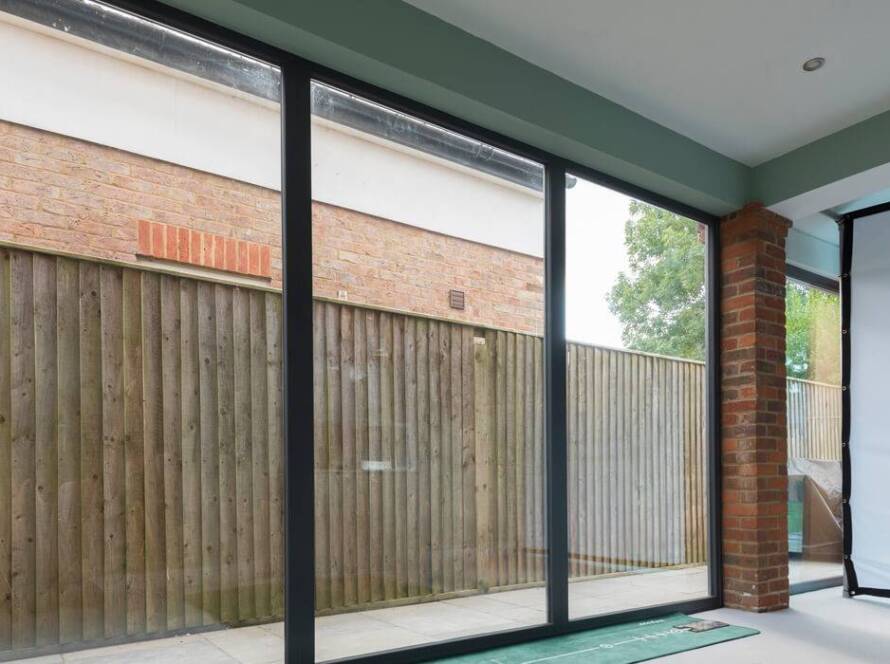
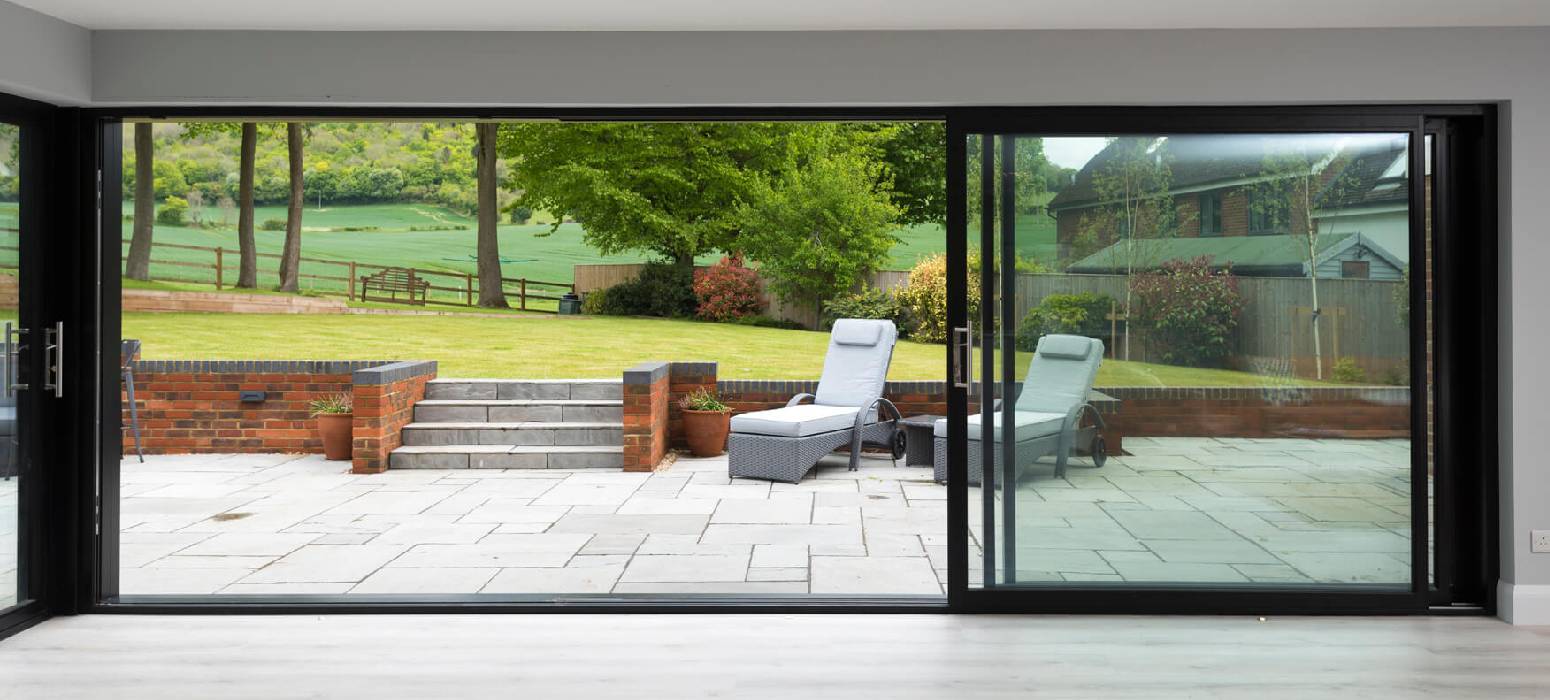
Many clients now request slimline double glazing because it creates a cleaner appearance while maximising natural light. This is particularly effective in extensions, bifold door installations, and modern renovations.
However, aluminium systems generally involve higher upfront costs than uPVC.
Timber Frames
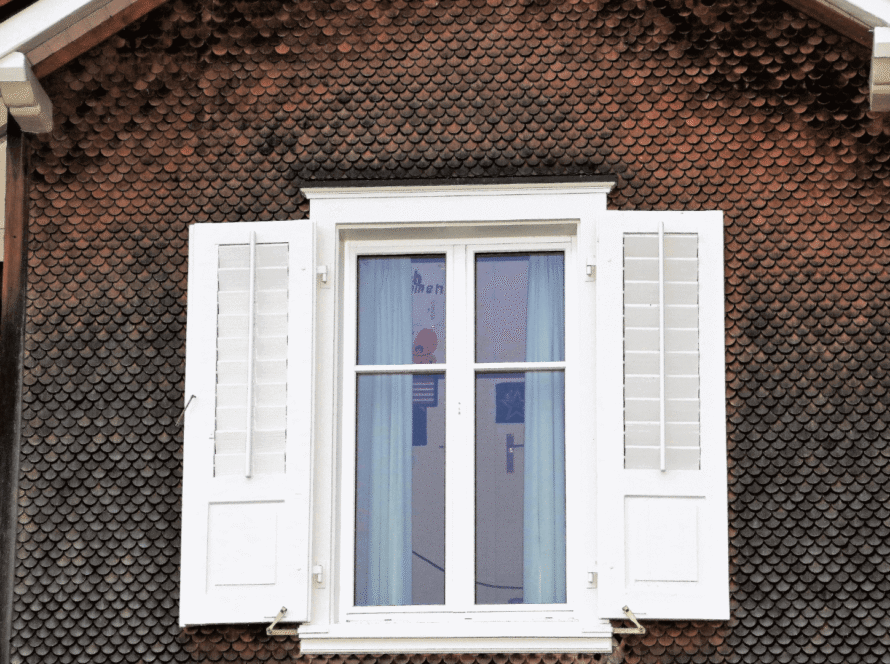
Timber remains appropriate for listed buildings and heritage-sensitive projects. High-quality engineered timber can deliver excellent insulation when maintained correctly.
Considerations include:
- Ongoing painting or staining
- Higher maintenance demands
- Longer lead times
- Conservation approvals
Compliance, Certification, and UK Regulations
Window and door replacement work in the UK must comply with current Building Regulations, particularly Approved Document L relating to energy efficiency.
Key compliance areas include:
- Thermal performance standards
- Safety glazing requirements
- Ventilation regulations
- Means of escape requirements
- Structural suitability
Installations carried out by a registered FENSA installer are typically self-certified, which simplifies the compliance process for homeowners.
For certain property types, additional permissions may apply:
| Property Type | Additional Considerations |
|---|---|
| Listed buildings | Listed Building Consent |
| Conservation areas | Planning restrictions on appearance |
| Flats | Leaseholder/freeholder approvals |
| Commercial premises | Additional fire and access compliance |
Property owners should also understand that glazing upgrades can improve EPC ratings, which increasingly influence property saleability and rental demand.
Commercial landlords are particularly focused on efficiency upgrades as operational energy standards continue tightening across the UK property sector.
Real-World Installation Considerations
The installation process itself often determines whether a glazing project proceeds smoothly or becomes disruptive and costly.
A proper pre-installation survey should assess:
- Structural opening condition
- Frame tolerances
- Existing damp issues
- Access restrictions
- Scaffold requirements
- Internal finishing needs
Weather conditions also affect installation schedules. High winds and persistent rain can delay external fitting work, particularly for larger glazed units or upper-floor installations.
| Installation Type | Typical Duration |
|---|---|
| Single window replacement | 1-2 hours |
| Full house replacement | 2-5 days |
| Large bifold or sliding systems | 1-3 days |
| Commercial glazing projects | Project dependent |
Occupants should also prepare for temporary disruption including:
- Internal dust
- Noise during frame removal
- Limited room access
- Short heating interruptions
Experienced installers minimise disruption by sequencing work efficiently and protecting internal finishes properly.
One overlooked issue is ventilation. Modern glazing significantly reduces draughts, which improves efficiency but can also increase condensation risk if background ventilation is inadequate. Trickle vents and compliant airflow provisions therefore remain important under current regulations.
Long-Term Value Beyond Energy Savings
While reduced heating costs are often the primary motivation, modern glazing delivers broader long-term benefits.
Reduced Noise Pollution
Acoustic insulation has become increasingly important, particularly in urban and roadside locations. Modern double glazing can significantly reduce external traffic and environmental noise.
Improved Security
Modern Double Glazing Doors typically include:
- Multi-point locking systems
- Toughened safety glass
- Reinforced frames
- Anti-snap cylinder protection
Reduced Maintenance
Modern powder-coated aluminium and quality uPVC systems require minimal upkeep compared with ageing timber frames.
Increased Property Appeal
Energy-efficient glazing improves kerb appeal and may positively influence property valuations and buyer confidence.
For landlords and developers, efficient glazing can also support lower tenant turnover by improving occupant comfort year-round.
Practical Checklist Before Replacing Windows or Doors
Before proceeding with installation, property owners should confirm the following:
Pre-Installation Checklist
- Obtain a full site survey
- Confirm installer certification
- Review frame material options
- Check glazing energy ratings
- Verify warranty coverage
- Assess ventilation compliance
- Confirm lead times
- Clarify finishing works included
- Discuss access and scaffolding requirements
- Understand payment schedule
It is also sensible to request written confirmation of compliance certification before installation begins.
Reliable installers should clearly explain:
- Expected thermal performance
- Product guarantees
- Installation timescales
- Maintenance expectations
- Compliance documentation process
Why Professional Specification Matters
Not all glazing projects are identical. A system suitable for a modern detached home may be inappropriate for a Victorian terrace, coastal property, or commercial conversion.
Correct specification depends on factors including:
- Property orientation
- Exposure conditions
- Opening size
- Building age
- Structural movement
- Acoustic requirements
- Security expectations
Experienced UK installers understand how local conditions affect product suitability over time.
At Design A View, projects are approached with a focus on compliance, durability, and practical long-term performance rather than short-term sales claims. With over 30 years of installation experience, the emphasis remains on accurate surveying, reliable fitting standards, and selecting glazing systems appropriate to each property type.
Frequently Asked Questions
Savings vary depending on property size and existing glazing condition, but replacing outdated units with modern energy-efficient systems can noticeably reduce heat loss and lower heating costs over time.
Yes. Replacement glazing installations must comply with UK Building Regulations. Using a FENSA registered installer usually allows self-certification without separate council approval.
The best option depends on the property type. uPVC suits many standard homes, while slim aluminium or engineered timber systems are often preferred for period properties and conservation-sensitive projects.
In some cases, yes. Slimline double glazing can provide improved thermal performance while maintaining more traditional sightlines, although planning or conservation restrictions may still apply.
Most standard residential installations are completed within two to five days depending on access, weather conditions, and project complexity.