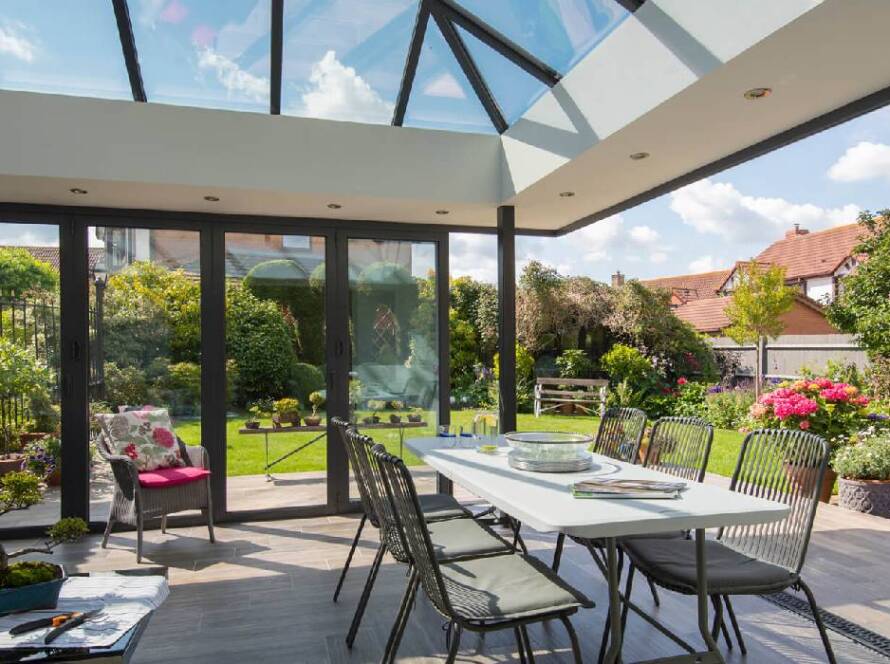
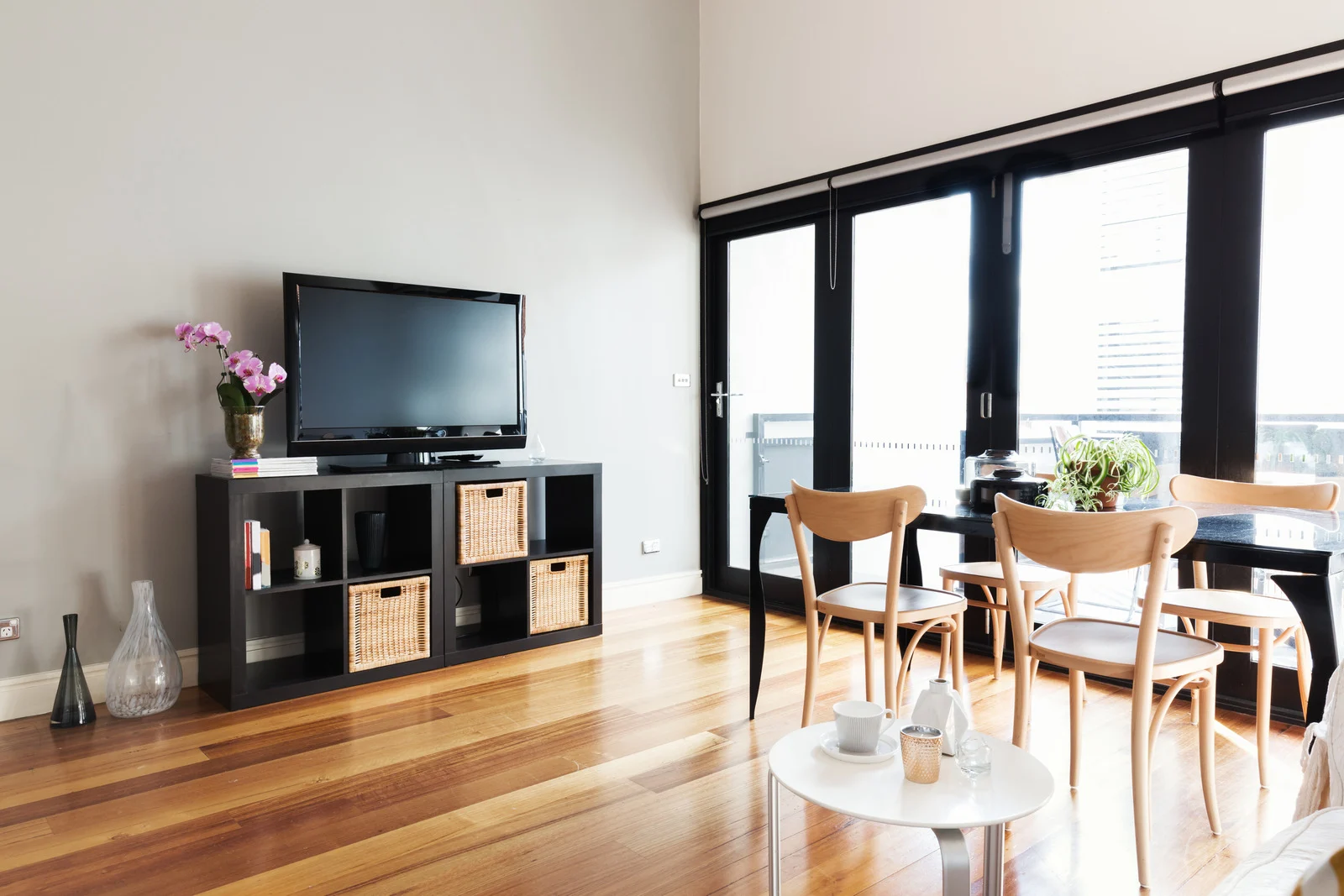
Modern UK homeowners are increasingly looking for ways to improve natural light, create flexible living areas, and strengthen the connection between indoor and outdoor spaces. One of the most effective structural upgrades for achieving this is the installation of Bi Fold Doors.
Unlike traditional patio or French doors, bifold systems fold and stack neatly to one or both sides, opening up large uninterrupted apertures. In practical terms, this transforms kitchens, extensions, garden rooms, and commercial spaces into brighter, more usable environments.
From over 30 years of installation experience across the UK, the biggest difference between a successful bifold project and a problematic one comes down to planning, structural preparation, compliance, and product specification – not simply aesthetics.
What Are Bi Fold Doors and Why Are They Popular?
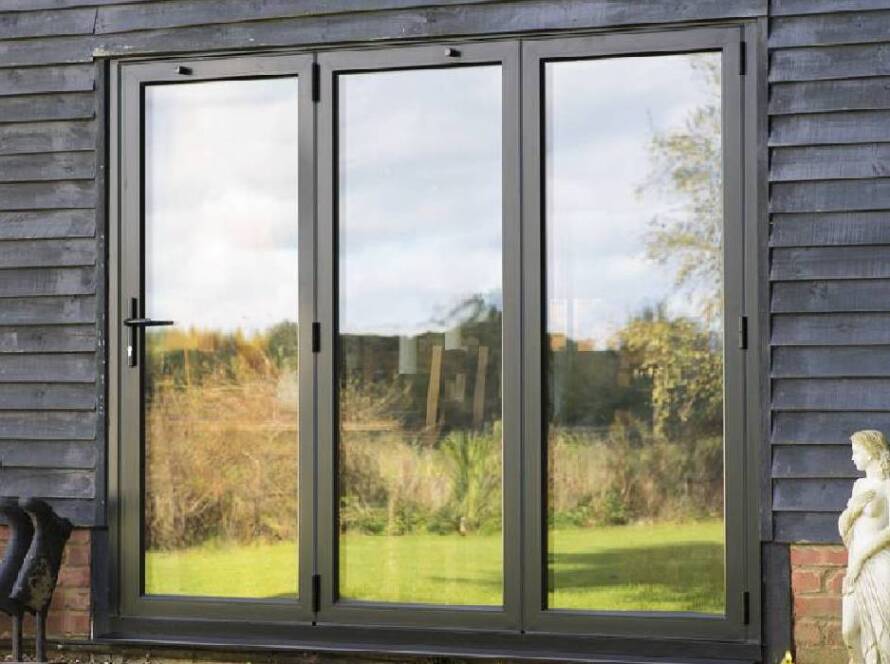
Bi Fold Doors are multi-panel glazed door systems that slide and fold along a tracking mechanism. They are commonly installed across rear elevations, kitchen extensions, garden-facing lounges, and commercial hospitality spaces.
Their popularity in the UK market has increased because they help property owners:
- Maximise natural daylight
- Improve access to patios and gardens
- Create open-plan layouts
- Enhance property value and EPC performance
- Achieve slimmer sightlines with modern aluminium systems
Most modern systems use thermally broken aluminium frames combined with double or triple glazing to meet current UK energy efficiency standards.
For many homeowners, the main appeal is spatial flexibility. During warmer months, bifold glass doors exterior systems can effectively remove the visual barrier between home and garden. In winter, high-performance glazing still allows strong light transmission while maintaining insulation values.
This makes them particularly suitable for:
- Rear kitchen extensions
- Orangery installations
- Renovated period homes
- New-build developments
- Commercial leisure spaces
- Open-plan refurbishments
How Bi Fold Doors Change Internal Living Space
The practical advantage of bi fold sliding glass doors is not simply that they open wider. The real value comes from how they alter room functionality and circulation.
Increased Natural Light
Large glazed panels significantly improve daylight penetration. This is especially valuable in UK properties where rear-facing rooms can often feel enclosed or underlit.
Slim-frame aluminium folding doors provide better glass-to-frame ratios than older uPVC systems, allowing more natural light into kitchens and living spaces.
Better Spatial Flow
Traditional hinged doors create fixed entry points. Bifold systems allow the entire opening to become usable access space.
This is particularly useful in:
- Kitchen diners
- Garden rooms
- Commercial hospitality spaces
- Open-plan family areas
The result is improved movement between indoor and outdoor zones.
Flexible Seasonal Use
One common misconception is that bifold systems are only useful in summer. In reality, modern thermally efficient systems perform effectively year-round when correctly specified.
High-quality systems should include:
- Thermal breaks
- Low-emissivity glass
- Weather-rated seals
- Multi-point locking systems
- Toughened safety glazing
Correct specification helps reduce draughts and condensation risks often associated with poorly fitted older systems.
Choosing Between Aluminium and uPVC Systems
From an installation and long-term maintenance perspective, aluminium remains the preferred option for most large-span bifold applications in the UK.
| Feature | Aluminium Folding Doors | uPVC Bifold Systems |
|---|---|---|
| Structural strength | Excellent | Moderate |
| Sightlines | Slim | Thicker |
| Large openings | Ideal | Limited |
| Lifespan | Long-term durability | Shorter overall |
| Maintenance | Low | Moderate |
| Thermal efficiency | Very good with thermal break | Good |
| Colour options | Extensive powder-coated finishes | More limited |
For larger apertures above three metres, aluminium generally offers better structural reliability and smoother operation over time.
This is especially important in exposed UK coastal or high-wind environments where frame stability matters.
Site Surveys and Structural Considerations
One of the most underestimated parts of a bifold installation is the pre-installation survey.
Every opening must be assessed for:
- Structural load-bearing requirements
- Lintel adequacy
- Floor level accuracy
- Drainage positioning
- Access limitations
- Existing wall condition
- Threshold detailing
In older UK housing stock, uneven floors and settlement movement are common challenges.
Without accurate surveying, installers may encounter:
- Panel misalignment
- Locking failures
- Water ingress
- Poor thermal sealing
- Track movement over time
This is why experienced installers always conduct detailed structural checks before manufacturing begins.
Common Property Types and Challenges
Victorian and Edwardian Homes
Older brickwork often requires reinforcement and careful lintel assessment before widening openings.
New-Build Extensions
Typically easier to accommodate, but threshold detailing and drainage still require careful planning.
Commercial Premises
Often require larger spans and enhanced safety glazing compliance.
Coastal Properties
Need marine-grade powder coating and corrosion-resistant hardware.
UK Building Regulations and Compliance Requirements
Installing custom bifold doors is not simply a cosmetic upgrade. In most cases, the work falls under UK Building Regulations.
Key Compliance Areas Include:
Structural Safety
Any enlarged opening may require structural calculations and steel support installation.
Thermal Performance
Doors must meet minimum energy efficiency requirements under Approved Document L.
Ventilation
Certain installations may impact background ventilation compliance.
Safety Glazing
Glazing in critical locations must comply with BS EN safety standards.
Drainage and Weatherproofing
Thresholds must prevent water ingress while maintaining accessibility where required.
FENSA Certification
Using a FENSA-registered installer provides homeowners with certification confirming compliance with Building Regulations.
This is particularly important when selling a property, as missing compliance documentation can delay conveyancing.
Planning Permission
Most rear bifold installations fall under permitted development rights. However, planning permission may still apply for:
- Listed buildings
- Conservation areas
- Significant structural alterations
- Flats and maisonettes
Experienced installers should identify these risks during the survey stage rather than after manufacturing has started.
Glazing Options and Energy Performance
The glazing specification often has a greater impact on comfort than the frame itself.
For UK climates, recommended options commonly include:
- Double glazing with argon gas filling
- Triple glazing for exposed locations
- Solar control coatings
- Low-E glass
- Laminated security glass
- Acoustic glazing near roads or railways
EPC Considerations
Energy-efficient bifold systems may contribute positively towards a property’s Energy Performance Certificate (EPC) rating.
Poor-quality installations, however, can negatively affect thermal retention if gaps, bridging, or insufficient sealing occur.
From practical experience, homeowners should avoid selecting systems based purely on frame appearance or lowest price.
The long-term performance difference between entry-level and premium systems becomes noticeable within a few winters.
Installation Timelines and Real-World Expectations
A realistic installation timeline depends on structural complexity rather than the doors themselves.
Typical UK Installation Process
| Stage | Typical Timeframe |
|---|---|
| Initial survey | 1-2 hours |
| Structural calculations | 1-2 weeks |
| Manufacturing | 4-8 weeks |
| Installation | 1-3 days |
| Internal finishing | Additional 1-5 days |
Common Causes of Delays
- Steel fabrication delays
- Weather disruption
- Access restrictions
- Uneven existing openings
- Late specification changes
- Planning or Building Control queries
Homeowners often underestimate the level of disruption involved when structural openings are enlarged.
Temporary exposure to weather, dust management, and restricted room access should all be discussed before work begins.
Experienced installers normally phase works carefully to minimise household disruption.
Long-Term Maintenance and Reliability
Well-installed Bi Fold Doors should provide decades of reliable operation with relatively low maintenance.
However, regular servicing remains important.
Recommended Maintenance Checklist
Every 3-6 Months
- Clean tracks and rollers
- Remove debris buildup
- Check drainage channels
Annually
- Lubricate moving components
- Inspect seals and gaskets
- Check alignment and locking systems
Every Few Years
- Adjust hinges and rollers if required
- Inspect glazing units for seal failure
Aluminium systems generally outperform uPVC alternatives over long periods due to reduced expansion and contraction.
For coastal UK properties, marine-grade finishes and stainless-steel hardware are strongly recommended.
Are Bi Fold Doors Worth the Investment?
For many UK property owners, the answer is yes – provided the installation is properly designed and compliant.
The strongest long-term value comes from:
- Improved usability of living space
- Better natural light
- Enhanced garden connectivity
- Increased property appeal
- Modernised appearance
- Potential EPC improvements
However, achieving these benefits depends heavily on:
- Accurate surveying
- Correct structural preparation
- Quality glazing specification
- Experienced installation
- Compliance certification
Poorly installed systems frequently develop operational issues within a few years.
This is why choosing a compliant, experienced installer matters far more than selecting the cheapest quotation.
Choosing an Experienced UK Installer
When comparing installers, homeowners should ask:
- Are you FENSA registered?
- Do you handle Building Regulations compliance?
- Do you provide structural guidance?
- What frame systems do you install?
- What glazing specifications are included?
- What guarantees are provided?
- Can you show similar UK projects?
An experienced installer will discuss practical limitations honestly rather than overpromising.
At Design A View, installations are approached with long-term performance, compliance, and practical usability in mind – combining over 30 years of UK industry experience with modern energy-efficient systems tailored to individual properties.
Frequently Asked Questions
High-quality bifold installations can improve buyer appeal, natural light, and modernisation, which may positively influence property value.
For larger openings and long-term durability, aluminium generally performs better due to greater structural strength and slimmer sightlines.
Usually not for standard rear installations under permitted development rights, but listed buildings and conservation areas may require approval.
Modern thermally broken aluminium systems with quality glazing can achieve strong energy efficiency performance and help support EPC improvements.
Well-maintained aluminium bifold systems can last several decades when correctly installed and regularly serviced.