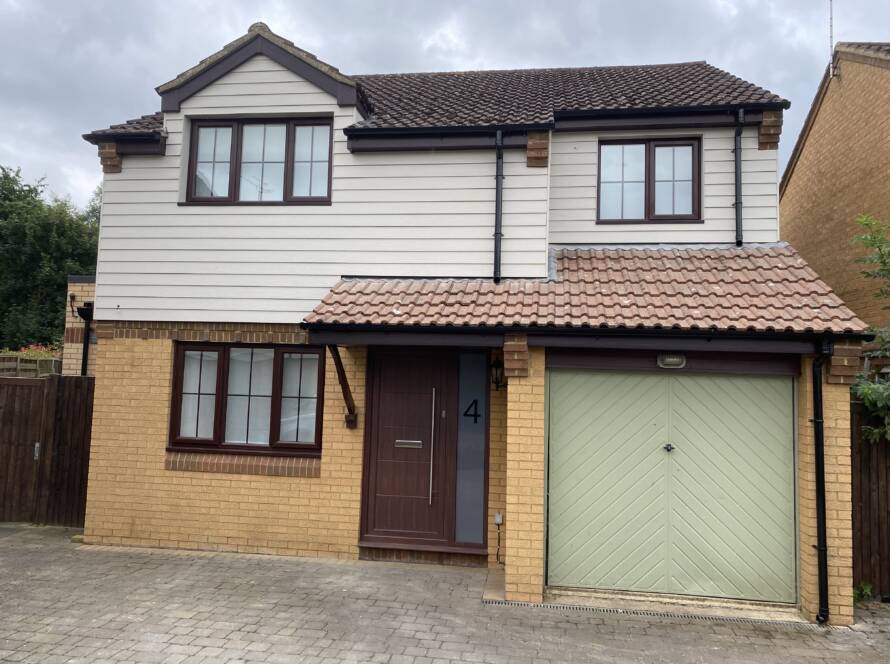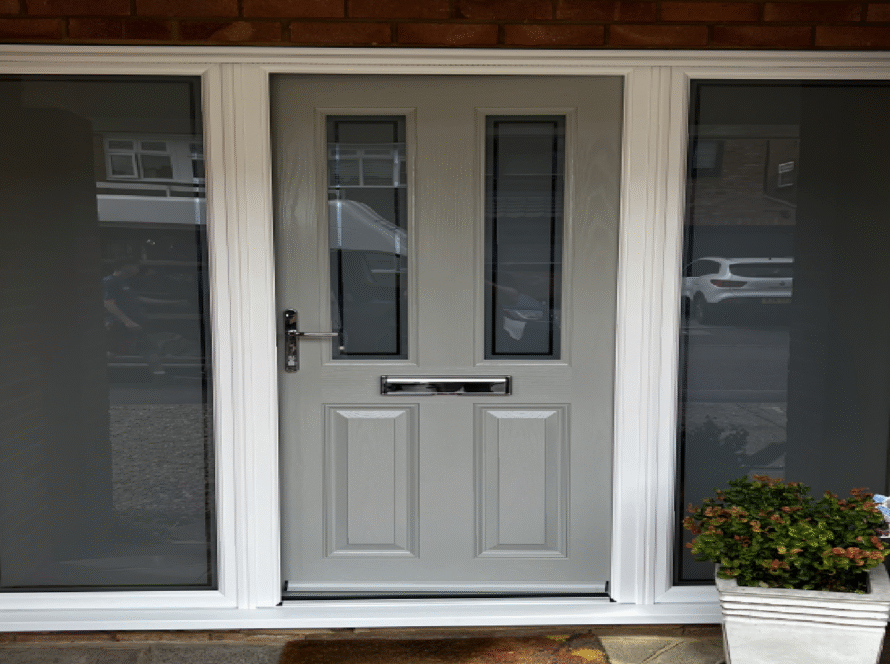
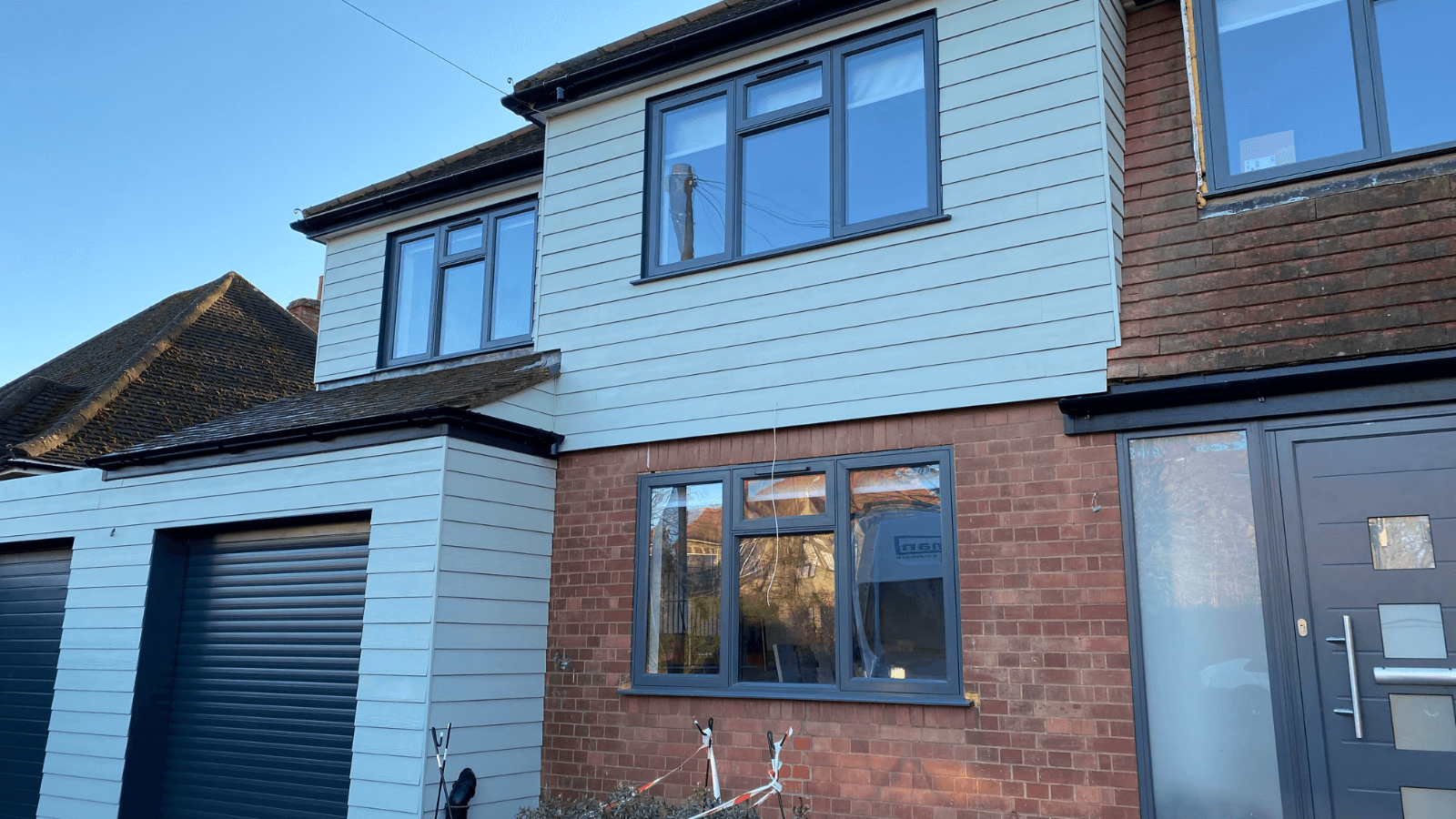
Replacing outdated windows is one of the most effective ways to improve energy efficiency, security, comfort, and property value in Hertfordshire homes. For homeowners researching windows and doors stevenage, the key challenge is choosing products that suit the property type, comply with UK regulations, and deliver long-term performance rather than short-term savings.
In Stevenage, many properties range from post-war terraces and 1960s housing developments to modern estates and commercial units. Each requires a different approach to surveying, installation, glazing specification, and frame material selection. Poorly planned window replacement projects often lead to draughts, condensation, failed inspections, or expensive remedial work within a few years.
This guide explains how experienced UK installers approach windows replacement projects, including material comparisons, compliance requirements, practical installation considerations, and how to choose the right system for your property.
Why Replacement Windows Matter in UK Homes
Replacement windows are not purely cosmetic. In UK properties, they directly affect:
- Heat retention
- EPC ratings
- Condensation control
- Noise reduction
- Security standards
- Long-term maintenance costs
Older glazing systems commonly found in Stevenage homes often fail modern thermal performance standards. Timber frames from the 1970s and early-generation aluminium systems typically allow significant heat loss. Single glazing and failed double glazing units also contribute to higher energy bills.
Modern upvc windows and advanced glazing systems help properties meet current efficiency expectations under UK Government Building Regulations.
A professionally installed replacement window should achieve:
- Improved U-values
- Reduced draughts
- Better acoustic insulation
- Reliable weather sealing
- Secure locking performance
- Compliance certification
For landlords and developers, replacement glazing can also support EPC improvement targets ahead of tightening UK rental efficiency requirements.
Choosing the Right Window Material for Stevenage Properties
Material selection is one of the most important strategic decisions in any windows and doors installation project.
uPVC Windows
uPVC remains the most commonly installed replacement window material across the UK due to its balance of affordability, insulation, and low maintenance.
Advantages include:
- Strong thermal performance
- Cost-effective installation
- Minimal maintenance
- Wide colour and finish options
- Long lifespan
- Excellent weather resistance
Modern uPVC systems are significantly better than earlier generations. Slimmer frames, multi-chamber profiles, and improved seals now provide strong energy efficiency without bulky aesthetics.
For Stevenage homeowners replacing ageing white plastic units installed 20 years ago, modern systems offer noticeable improvements in both appearance and insulation.
Aluminium Windows
Aluminium systems are increasingly popular for contemporary homes and extensions.
They provide:
- Slim sightlines
- Modern appearance
- Strong structural performance
- Large glazing capability
- Durable powder-coated finishes
However, aluminium is generally more expensive than uPVC and requires careful specification to ensure thermal efficiency through thermal break technology.
Timber Windows
Timber remains appropriate for:
- Heritage properties
- Conservation areas
- Character homes
While visually attractive, timber requires ongoing maintenance and typically involves higher installation costs.
In Stevenage, most standard residential replacement projects favour uPVC due to practicality and cost efficiency.
| Material | Typical Lifespan | Maintenance | Thermal Efficiency | Relative Cost |
|---|---|---|---|---|
| uPVC | 20-35 years | Low | Excellent | Low to Medium |
| Aluminium | 30-45 years | Low | Very Good | Medium to High |
| Timber | 25-40 years | High | Good to Very Good | High |
Understanding UK Compliance Requirements
Many homeowners underestimate the legal and compliance requirements associated with replacement glazing.
Any professional installer handling windows and doors stevenage projects must comply with UK Building Regulations.
FENSA Certification
FENSA certification confirms replacement windows meet Building Regulations standards.
Using a FENSA-registered installer means:
- The installation is self-certified
- Local authority notification is handled correctly
- You receive compliance documentation
- Future property sales are simplified
Without proper certification, homeowners can encounter problems during conveyancing.
Building Regulations
Replacement windows must satisfy requirements relating to:
- Thermal efficiency
- Ventilation
- Fire escape access
- Structural safety
- Toughened safety glass locations
Modern regulations also increasingly focus on ventilation performance, especially where highly sealed systems are installed.
EPC Considerations
Energy-efficient glazing can positively influence Energy Performance Certificate ratings.
For landlords and developers, this is particularly relevant as minimum EPC standards continue tightening across the UK rental sector.
Practical Installation Realities Most Homeowners Overlook
One of the biggest differences between experienced installers and generic home improvement companies is understanding real-world site conditions.
After 30+ years of experience in UK window replacement projects, installers know that every property presents unique challenges.
Survey Accuracy Matters
The survey stage determines whether the installation runs smoothly.
Professional surveys assess:
- Structural movement
- Existing lintel condition
- Reveal depth
- Damp issues
- Access limitations
- Internal finishing requirements
Incorrect measurements are one of the leading causes of installation delays and poor fitting performance.
Weather Delays
UK weather regularly affects scheduling.
Heavy rain, strong winds, or freezing temperatures may delay installation work, particularly for larger openings or full property replacements.
Experienced installers plan projects with weather contingencies rather than unrealistic completion promises.
Occupied Homes Require Careful Planning
For occupied properties, installation teams must manage:
- Dust control
- Noise disruption
- Furniture protection
- Temporary exposure during fitting
- Security overnight if multi-day works occur
A standard house installation may take:
- 1 day for partial replacements
- 2-4 days for full property replacements
- Longer for structural modifications or bespoke glazing
Double Glazing and Glazing Specification Choices
The glazing specification itself significantly affects comfort and performance.
Standard Double Glazing
Most modern installations use:
- Argon-filled units
- Low-E coated glass
- Warm edge spacer bars
These reduce heat transfer and improve insulation.
Triple Glazing
Triple glazing may suit:
- High-performance new builds
- Noise-sensitive locations
- Low-energy homes
However, triple glazing is not automatically the best option for every Stevenage property. Costs are higher, and frame specification becomes increasingly important.
Acoustic Glass
Homes near busy roads or commercial areas may benefit from acoustic glazing.
This helps reduce:
- Traffic noise
- External disturbances
- General sound transfer
Safety Glass Requirements
Toughened safety glass is legally required in certain locations, including:
- Doors
- Low-level glazing
- Side panels near entrances
Failure to install compliant safety glass can breach Building Regulations.
Common Problems Found During Windows Replacement Projects
Experienced installers frequently uncover hidden issues once old frames are removed.
Typical findings include:
Rotten Timber Reveals
Older timber installations often conceal:
- Damp penetration
- Decayed subframes
- Failing seals
Structural Movement
Settlement cracks or movement may require remedial adjustments before new units are installed.
Cavity Wall Issues
Poorly insulated cavities around old frames commonly cause cold bridging and condensation.
Failed Previous Installations
Many replacement projects involve correcting earlier poor workmanship such as:
- Incorrect packers
- Inadequate sealing
- Poor drainage setup
- Misaligned frames
These problems explain why choosing experienced specialists matters more than simply selecting the lowest quotation.
How to Choose the Best Replacement Windows
When comparing suppliers and installers, homeowners should focus on long-term performance rather than headline pricing alone.
A Good Installer Should Provide:
- Detailed written quotations
- Clear product specifications
- FENSA registration details
- Insurance-backed guarantees
- Site survey explanations
- Realistic installation timescales
Questions Worth Asking
Before proceeding, ask:
- What U-values will the windows achieve?
- Is the installer FENSA registered?
- What guarantees are included?
- Will trims or plaster repairs be required?
- How are waste materials removed?
- Are trickle vents included where required?
Signs of Poor Practice
Be cautious if an installer:
- Avoids discussing compliance
- Offers vague pricing
- Uses high-pressure sales tactics
- Cannot explain glazing specifications
- Refuses detailed surveys
Reliable installers prioritise technical accuracy and transparency.
Why uPVC Windows Continue to Dominate UK Replacement Projects
Despite newer materials entering the market, upvc windows remain the preferred option for many UK homeowners.
Reasons include:
- Lower lifetime maintenance
- Competitive pricing
- Strong thermal efficiency
- Excellent weather resistance
- Reliable manufacturing standards
Modern foiled finishes now allow homeowners to choose:
- Anthracite grey
- Woodgrain effects
- Black finishes
- Dual-colour frames
This flexibility makes uPVC suitable for both traditional and contemporary properties.
For Stevenage homeowners balancing cost, efficiency, and appearance, modern uPVC systems often provide the strongest overall value.
Choosing an Experienced Installer in Stevenage
Successful windows replacement projects depend heavily on installation quality rather than product marketing alone.
Even premium windows can fail prematurely if fitted incorrectly.
An experienced installer understands:
- UK compliance requirements
- Structural realities
- Property-specific challenges
- Product suitability
- Long-term weather performance
Design A View brings more than 30 years of practical UK installation experience across residential and commercial projects. From initial survey through to certification and final finishing, the focus remains on compliant, durable installations suited to real UK property conditions rather than generic showroom sales processes.
FAQs
For most older Stevenage homes, modern uPVC double glazed windows provide the best balance of energy efficiency, affordability, and low maintenance. Heritage-style properties may benefit from timber or flush sash systems depending on planning considerations.
Yes. Replacement windows must comply with UK Building Regulations. Using a FENSA-registered installer ensures the installation is properly certified without requiring separate local authority approval.
A standard residential installation usually takes between one and four days depending on property size, access conditions, weather, and whether structural alterations are required.
Triple glazing can improve insulation and noise reduction, but it is not always necessary for standard UK homes. High-quality double glazing is often sufficient for many Stevenage properties.
Most installations involve moderate disruption including temporary noise, dust, and room access restrictions. Experienced installers minimise disruption through careful scheduling, protection measures, and phased fitting approaches.