If you’re planning to replace the windows in your Oxford home, it’s easy to focus on choosing new frames, colours and glazing. However, one of the most important parts of any window installation happens before the new windows even arrive.
Lee Spent more than 30 years installing windows across Oxfordshire and the surrounding counties, we’ve found that many properties hide structural issues that only become apparent during a detailed survey. Cracked brickwork, deteriorating lintels, rotten timber and movement around window openings are more common than most homeowners realise.
Ignoring these problems can affect the performance of your new windows, reduce their lifespan and even lead to costly repairs later.
In this guide, we’ll explain what we look for during every survey, why structural repairs sometimes form part of a window replacement project, and how the right preparation helps ensure your investment lasts for decades.
Why Every Window Replacement Starts with a Survey
One of the biggest misconceptions is that replacing windows is simply a case of removing the old frame and fitting a new one.
In reality, every property is different.
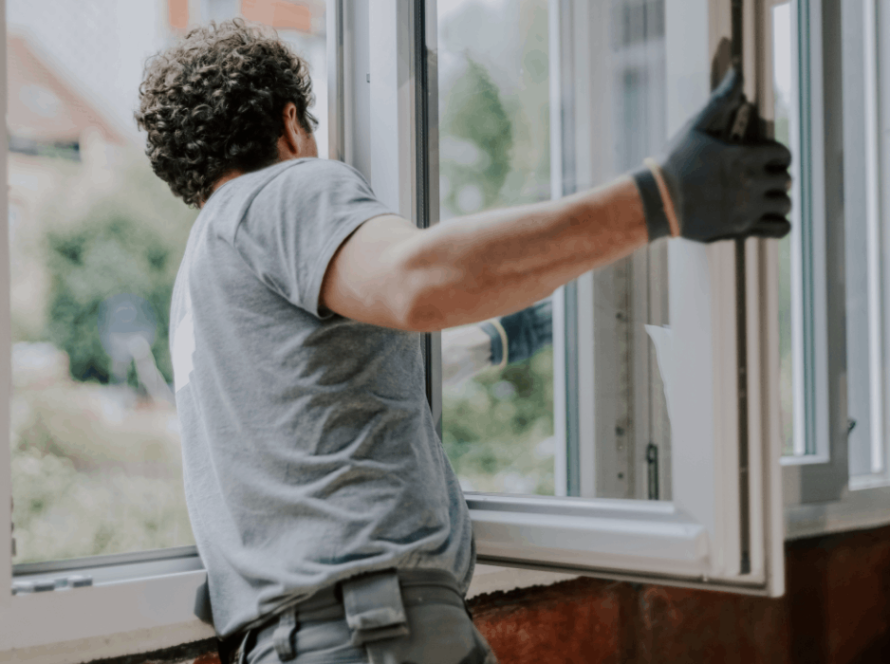
Before recommending any replacement windows, we carry out a detailed survey to assess not only the existing frames but also the condition of the surrounding structure.
During this visit we check:
- The condition of the brickwork and masonry
- Whether existing lintels are still providing adequate support
- Signs of damp or water ingress
- Any movement around the window opening
- The condition of internal plaster and reveals
- Whether previous installations have been completed correctly
Taking the time to identify these issues early allows us to recommend the most appropriate solution and helps prevent unexpected problems once installation begins.
Structural Problems We Commonly Find
Over the years we’ve worked on a wide variety of properties throughout Oxfordshire, from Victorian terraces and period cottages to modern family homes.
Although every property is unique, certain structural issues appear regularly.
Cracked Brickwork
Cracks above windows often indicate movement or inadequate support.
Sometimes the cause is simply age-related settlement. In other cases, deteriorating lintels are no longer distributing the weight above the opening correctly.
Replacing windows without resolving this issue can place unnecessary pressure on the new frames.
Failing Lintels
Many older homes still have original concrete, timber or steel lintels.
Over time these can weaken due to corrosion, moisture or general deterioration.
Where necessary, replacing the lintel before installing new windows provides the correct structural support and helps ensure the new installation performs as intended.
Water Damage
Water ingress around windows is one of the most common problems we encounter.
Failed sealants, damaged pointing or poorly fitted previous installations can allow moisture to penetrate surrounding brickwork.
If left untreated this can lead to:
- Internal damp patches
- Mould growth
- Damaged plaster
- Timber decay
- Reduced insulation
Addressing the source of the problem before fitting new windows helps protect both the installation and the property itself.
Previous Poor Installations
Not every problem is caused by the age of the property.
We regularly replace windows that have been poorly installed by previous contractors.
Common examples include:
- Frames fitted out of square
- Inadequate insulation around the frame
- Missing cavity closers
- Poor weather sealing
- Incorrect packers causing movement over time
Correcting these issues during replacement ensures the new windows operate smoothly and achieve their full energy efficiency.
Different Property Types Require Different Approaches
Oxford has a diverse mix of property styles, each presenting its own installation challenges.
Victorian and Edwardian Homes
Older brick properties often feature irregular openings and original timber details that require careful surveying before replacement.
Stone Properties
Traditional stone buildings rarely have perfectly square openings.
Installing replacement windows successfully requires accurate measurements and experienced fitting techniques.
Modern Homes
Even newer homes can experience issues such as failed sealed units, movement around openings or poorly installed original windows.
No matter the property age, every installation should be tailored to the building rather than following a one-size-fits-all approach.
Choosing the Right Window Material
Selecting the right frame is about much more than appearance.
During consultations we help homeowners choose materials based on maintenance requirements, energy efficiency, budget and the character of their property.
uPVC
A popular choice thanks to its excellent thermal performance, durability and low maintenance.
Aluminium
Ideal for contemporary homes where slim sightlines and larger glazed areas are preferred.
Timber
Often the best option for listed properties or homes within conservation areas where maintaining traditional appearance is important.
The right choice depends entirely on your property and how you intend to use it.
Modern Glazing Makes a Real Difference
Many homeowners replacing older windows notice the biggest improvement not from the frames themselves, but from modern glazing technology.
Today’s energy-efficient glass can help:
- Reduce heat loss
- Lower energy bills
- Minimise outside noise
- Reduce condensation
- Improve overall comfort
Depending on your property, we may recommend double glazing, triple glazing, acoustic glass or Low-E glass to achieve the best results.
Why Professional Installation Matters
Even the highest quality windows won’t perform properly if they aren’t installed correctly.
Successful installation relies on:
- Accurate measurements
- Proper frame alignment
- Correct load distribution
- High-quality sealing
- Careful finishing
Small inaccuracies can affect operation, weather resistance and long-term performance.
That’s why every installation should begin with a comprehensive survey and be completed by experienced installers who understand both modern products and traditional building methods.
Questions We Recommend Asking Before Choosing an Installer
Before committing to a quotation, ask:
- Is the company FENSA registered?
- Will a full property survey be carried out?
- Will structural issues be identified before installation?
- Are Building Regulations included?
- Will certification be provided?
- What guarantees are included?
- Can you see examples of similar local projects?
A reputable installer should have no hesitation answering these questions.
Why Homeowners Across Oxfordshire Choose Design A View
At Design A View, we’ve spent more than three decades helping homeowners improve their properties with high-quality windows, doors and glazing solutions.
Our approach is simple.
We don’t just replace windows.
We assess the condition of your property, identify any underlying issues and recommend the solution that’s genuinely right for your home.
As a FENSA registered installer, every replacement window installation is completed in accordance with current Building Regulations, giving you confidence that your investment is built to last.
Whether you’re replacing ageing uPVC windows, renovating a period property or upgrading your home’s energy efficiency, our experienced team is here to help every step of the way.
Thinking About Replacing Your Windows?
Every property is different, which is why professional advice is so important.
If you’re considering replacement windows in Oxford or the surrounding areas, contact Design A View to arrange a free, no-obligation survey. We’ll assess your existing windows, identify any structural issues and provide honest recommendations to help you choose the best solution for your home.