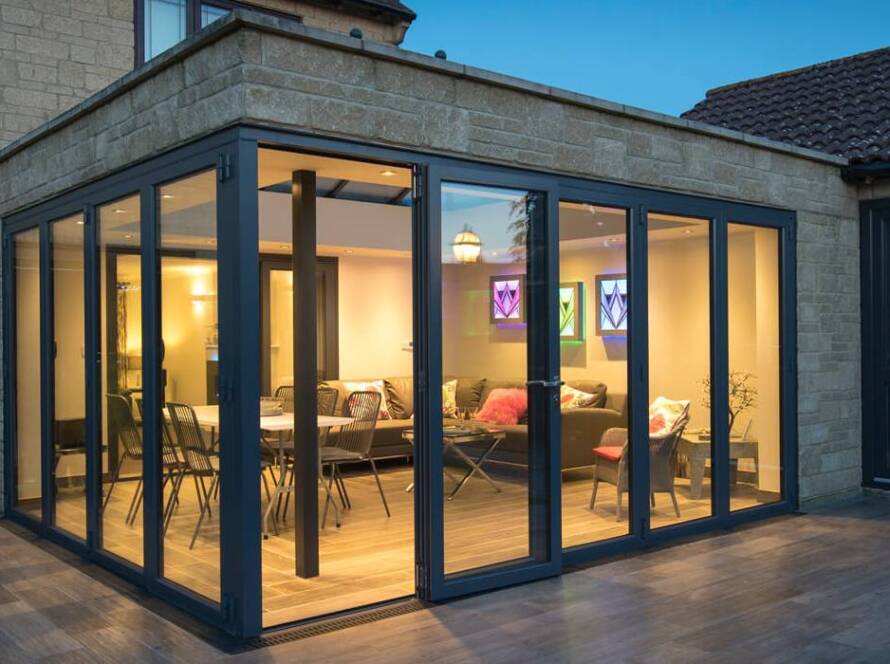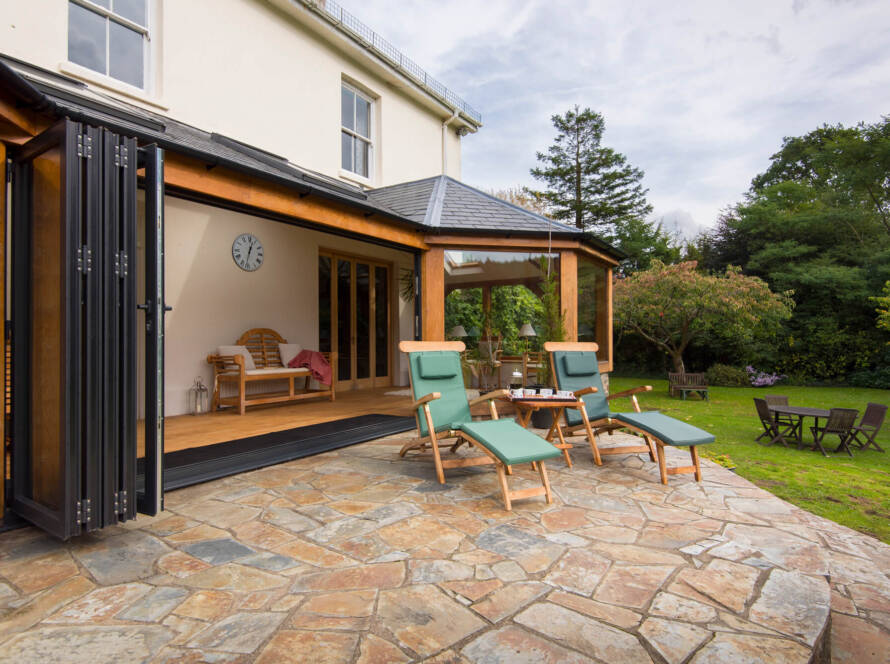
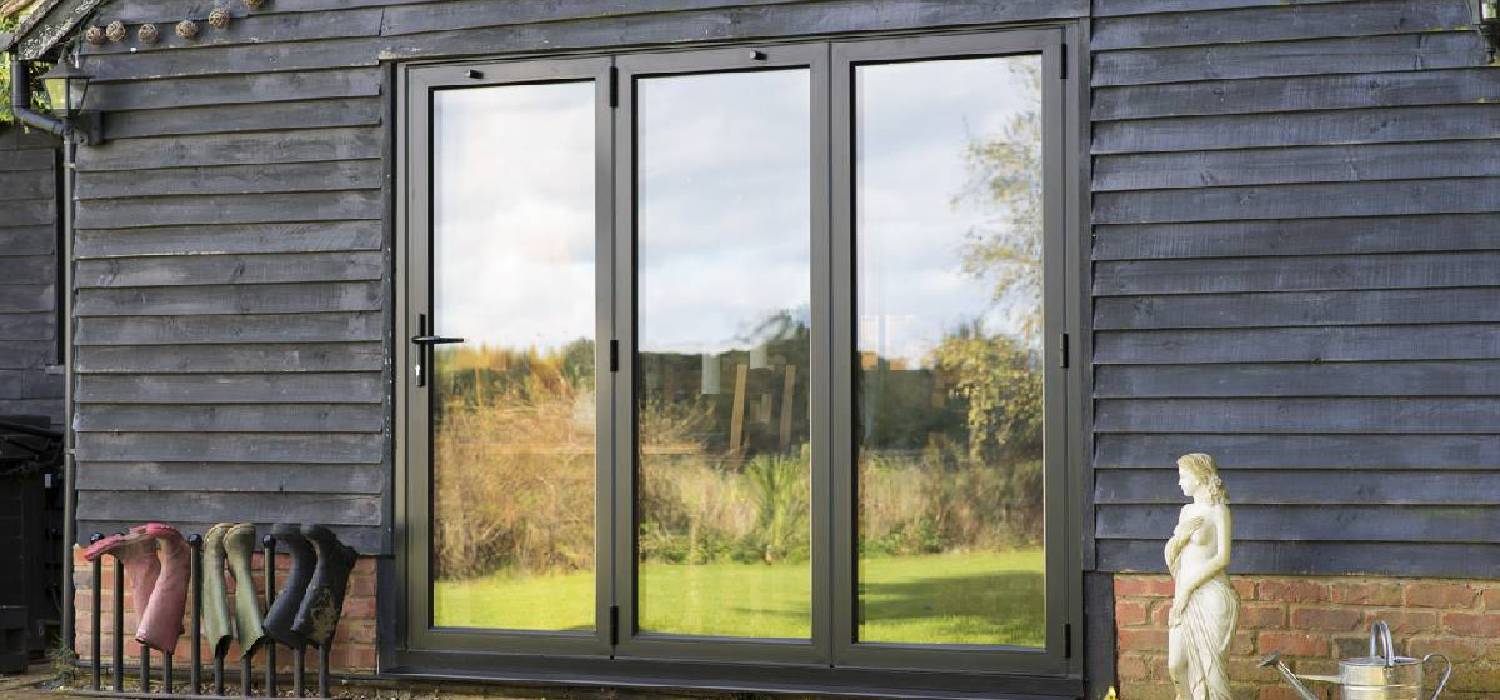
Bi-fold Doors have become one of the most popular upgrades in modern UK homes, particularly in kitchen extensions, garden rooms, and rear patio renovations. Their ability to create wide openings and maximise natural light makes them ideal for both residential and commercial properties.
However, like any engineered door system, bifold doors require regular maintenance to ensure they continue to perform smoothly for years. Without proper care, issues such as misaligned rollers, stiff tracks, poor weather sealing, or glazing deterioration can gradually develop.
From the perspective of an experienced UK installer with 30+ years of practical installation experience, the majority of operational issues we see are not caused by poor manufacturing-they usually result from lack of maintenance, debris build-up in tracks, or seasonal expansion affecting alignment.
For UK homeowners and property managers, maintaining bifold systems properly helps to:
- Preserve thermal performance required for Energy Performance Certificate (EPC) ratings
- Avoid costly bifold exterior doors replacement
- Maintain compliance with UK Government Building Regulations
- Protect aluminium components and glazing seals from long-term wear
When installed correctly and maintained properly, modern bifold glass patio doors installation systems can operate smoothly for 20–30 years or more.
The key is understanding what maintenance tasks are necessary and when they should be performed.
Routine Maintenance Tasks Every UK Homeowner Should Perform
Bi-fold systems rely on several mechanical components working together: hinges, rollers, tracks, locking systems, and glazed panels. Routine maintenance helps prevent early wear on these parts.
A simple maintenance routine typically includes the following checks.
1. Track Cleaning
The track is the most common source of operational problems.
Over time, outdoor debris such as:
- Leaves
- Small stones
- Dust and pollen
- Garden soil
can accumulate inside the track system.
If left untreated, this debris can damage the roller wheels.
Practical maintenance step
- Vacuum the track channel using a narrow attachment
- Wipe with warm soapy water
- Dry the track thoroughly before closing the doors
Avoid using harsh chemicals or abrasive tools, which can damage aluminium coatings.
2. Lubricating Moving Parts
Rollers, hinges, and locking mechanisms should be lubricated periodically.
Professional installers usually recommend silicone-based lubricant rather than oil-based products, as oil attracts dirt.
Focus lubrication on:
- Roller assemblies
- Pivot hinges
- Locking mechanisms
- Guide tracks
This helps maintain smooth operation and reduces strain on the system.
3. Glass and Frame Cleaning
For best bifold patio doors, aluminium frames are typically powder-coated and require gentle cleaning to preserve the finish.
Recommended cleaning method:
- Warm water with mild detergent
- Soft microfibre cloth
- Avoid abrasive sponges
Cleaning should be performed at least every three months, especially for coastal properties where salt exposure can accelerate corrosion.
Site Conditions That Affect Bi-Fold Door Longevity
Maintenance needs can vary significantly depending on property location and exposure conditions.
Certain UK property types experience more wear than others.
Coastal Homes
Salt exposure and high winds can accelerate deterioration of external door systems. Aluminium systems are generally preferred in these locations due to their corrosion resistance.
Urban Properties
Air pollution and traffic dust can accumulate quickly in track systems, requiring more frequent cleaning.
Countryside Homes
Properties surrounded by trees often experience higher levels of leaf debris entering the track channel.
These environmental factors should be considered during both aluminium folding doors installation and ongoing maintenance planning.
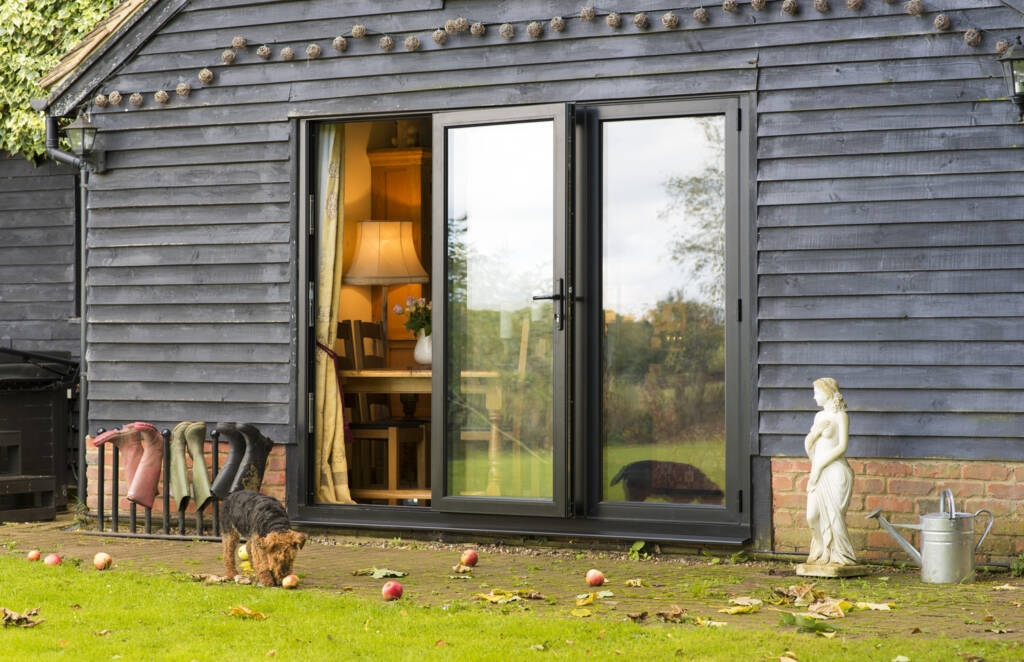
Installation Quality and Its Impact on Maintenance
Many long-term maintenance problems originate during installation rather than years later.
A properly installed bifold system should include:
- Accurate structural opening measurements
- Correct load distribution across the lintel
- Level track alignment
- Correct weather sealing
Under UK Government Building Regulations, installers must ensure the structural opening can safely support the door system.
For wider openings, steel lintels or structural supports are often required.
Installers registered under FENSA certification schemes provide documentation confirming the installation meets UK regulatory standards. This certification is also important for property resale and EPC assessments.
Poorly installed systems often lead to:
- Misaligned rollers
- Water ingress
- Frame distortion
- Excessive track wear
These issues eventually lead homeowners to consider bifold exterior doors replacement, which can often be avoided with proper installation and maintenance.
Seasonal Maintenance Checklist for UK Properties
Because UK weather conditions vary significantly across seasons, maintenance routines should be adjusted accordingly.
| Season | Recommended Maintenance |
| Spring | Deep clean tracks, inspect seals after winter |
| Summer | Lubricate hinges and rollers |
| Autumn | Remove leaf debris from tracks |
| Winter | Check weather seals and condensation buildup |
Seasonal inspection helps identify small issues before they become costly repairs.
For example, winter frost can affect track alignment if water has collected inside the channel. Keeping tracks, clean helps prevent this problem.
Common Maintenance Issues Seen by Installers with 30+ Years of Experience
After more than 30 years working in UK door and glazing installations, the most common performance problems with Bi-fold Doors rarely relate to the door system itself. In most cases, issues arise from environmental factors, lack of routine maintenance, or small alignment changes that occur naturally as buildings settle.
Across hundreds of installations in extensions, garden rooms, and commercial properties, several recurring maintenance patterns appear.
Track Contamination
One of the most frequent service call-outs involves debris entering the bottom track.
In UK homes, particularly those with patios or garden landscaping directly outside the doors, small materials such as:
- gravel
- sand
- leaf fragments
- garden soil
can gradually build up inside the track channel.
Because most bifold glass patio doors installation systems rely on precision roller wheels, even small particles can create resistance during opening and closing.
Professional installers often recommend quarterly track cleaning using a vacuum and soft cloth to prevent premature roller wear.
When Maintenance Is Not Enough: Signs Replacement May Be Needed
Even well-maintained doors eventually reach the end of their service life.
Homeowners should consider professional assessment if they notice:
- Persistent misalignment after adjustment
- Water ingress during heavy rain
- Visible frame warping
- Broken double-glazed units
- Faulty locking mechanisms
In these cases, upgrading to modern best bifold patio doors may improve both performance and energy efficiency.
Newer systems offer:
- Improved thermal breaks
- Triple glazing options
- Enhanced security locking
- Better weather resistance
Modern installations also help improve a property’s Energy Performance Certificate (EPC) rating.
Compliance and Certification Considerations
When maintaining or replacing bifold systems in the UK, it is important to understand regulatory obligations.
Building Regulations
Installations must comply with UK Government Building Regulations, particularly regarding:
- Structural stability
- Thermal efficiency
- Safety glazing requirements
FENSA Certification
A FENSA-certified installer ensures the installation complies with building regulations without requiring separate local authority approval.
Homeowners receive a certificate confirming compliance, which is important when selling the property.
Planning Permission
In most cases, replacing doors in an existing opening does not require planning permission.
However, it may be required if:
- The property is listed
- Located in a conservation area
- Structural changes alter the building facade
Strategic Material Choices for Long-Term Performance
Material selection significantly affects maintenance requirements.
| Material | Durability | Maintenance | Typical Lifespan |
| Aluminium | Very High | Low | 25–35 years |
| uPVC | Moderate | Moderate | 15–20 years |
| Timber | High | High | 20–30 years |
Aluminium systems remain the most common choice for modern bifold glass patio doors installation due to their strength, slim profiles, and resistance to warping.
Why Professional Installation and Advice Matters
Even with regular maintenance, professional inspection every few years can help ensure optimal performance.
Experienced installers assess:
- Track wear
- Roller alignment
- Weather seal condition
- Frame stability
This preventative approach helps homeowners avoid unexpected failures or expensive emergency repairs.
Companies with long-term industry experience understand the practical challenges involved in UK installations-including structural considerations, weather exposure, and regulatory compliance.
For property owners planning new installations, upgrades, or maintenance advice, experienced specialists such as Design A View provide guidance based on decades of hands-on installation work and compliance with recognised UK standards.
Frequently Asked Questions
Most installers recommend a basic maintenance check every 3-6 months, including cleaning tracks, lubricating moving parts, and inspecting seals.
The most common cause is debris accumulation inside the track system, which can damage roller wheels and create resistance during operation.
While routine cleaning can be done by homeowners, professional servicing every few years helps ensure alignment, glazing integrity, and locking mechanisms remain in good condition.
Yes. Aluminium frames are highly resistant to moisture, temperature fluctuations, and corrosion, making them particularly suitable for UK climates.
Yes. Door replacements must comply with UK Building Regulations, but installations carried out by FENSA-certified installers are automatically registered and approved.