Choosing the right windows and doors in Stevenage is about far more than appearance. For homeowners, landlords, and commercial property managers, installation quality directly affects energy efficiency, property value, security, compliance, and long-term maintenance costs.
In Stevenage, property styles range from post-war terraces and 1960s town developments to modern new-build estates and commercial premises. Each property type presents different installation requirements, structural considerations, and compliance obligations. Poorly planned fitting work can lead to draughts, failed inspections, condensation problems, and avoidable repair costs within only a few years.
With more than 30 years of experience in the UK glazing sector, experienced installers understand that successful projects rely on accurate surveying, compliant installation methods, and selecting materials suited to the building itself rather than simply choosing the cheapest quotation.
Understanding What Window and Door Replacement Involves
A professional window and doors replacement project usually includes four stages:
- Initial site survey
- Product specification and compliance checks
- Manufacturing and installation
- Certification and aftercare
Many Stevenage properties require additional attention because of ageing brickwork, outdated timber frames, cavity wall movement, or previous poor-quality installations. A proper survey identifies these issues before fitting begins.
For example, older homes in Hertfordshire often reveal hidden problems once existing frames are removed, including:
- Failed cavity insulation around openings
- Rotten timber subframes
- Uneven lintels
- Damp penetration
- Incorrect historical installations
These factors influence installation methods, fitting timescales, and sometimes even the type of glazing that can safely be installed.
Professional installers also assess:
- Escape window requirements
- Ventilation compliance
- Structural support for wider openings
- Access limitations
- Scaffold needs
- Drainage positioning
- Existing EPC performance
This early-stage planning prevents costly delays later in the project.
UK Regulations for Windows and Doors Installation
Any compliant windows and doors installation in Stevenage must satisfy current UK Building Regulations.
The key areas include:
| Regulation Area | What It Covers |
|---|---|
| Part L | Thermal efficiency and energy performance |
| Part F | Ventilation requirements |
| Part Q | Security standards for new dwellings |
| Part B | Fire escape and means of egress |
| Safety Glazing Regulations | Toughened or laminated glass in critical areas |
Installers registered with FENSA can self-certify replacement window and door work. This avoids homeowners needing separate local authority inspections.
A FENSA certificate is particularly important when selling property, as solicitors routinely request evidence that installations comply with Building Regulations.
The UK Government also links replacement glazing standards to energy efficiency targets and EPC performance. Modern double or triple glazing can improve thermal retention significantly, particularly in older Stevenage housing stock where original units may still be in place.
For listed buildings or homes within conservation areas, planning permission may also be required before replacing frames or altering external appearance.
Choosing Between uPVC, Aluminium and Timber
Selecting materials is one of the most important strategic decisions in any new windows and doors project.
Each option performs differently depending on property type, budget, maintenance expectations, and aesthetic requirements.
uPVC Windows and Doors
uPVC remains the most common option across Stevenage because it offers:
- Strong thermal efficiency
- Lower maintenance requirements
- Competitive pricing
- Good lifespan
- Modern security systems
It is particularly suited to:
- Standard residential homes
- Buy-to-let properties
- Large-scale replacement projects
Modern uPVC systems are substantially improved compared with older installations from the 1990s and early 2000s.
Aluminium Systems
Aluminium has become increasingly popular for:
- Contemporary extensions
- Commercial buildings
- Large glazed openings
- Slim sightlines
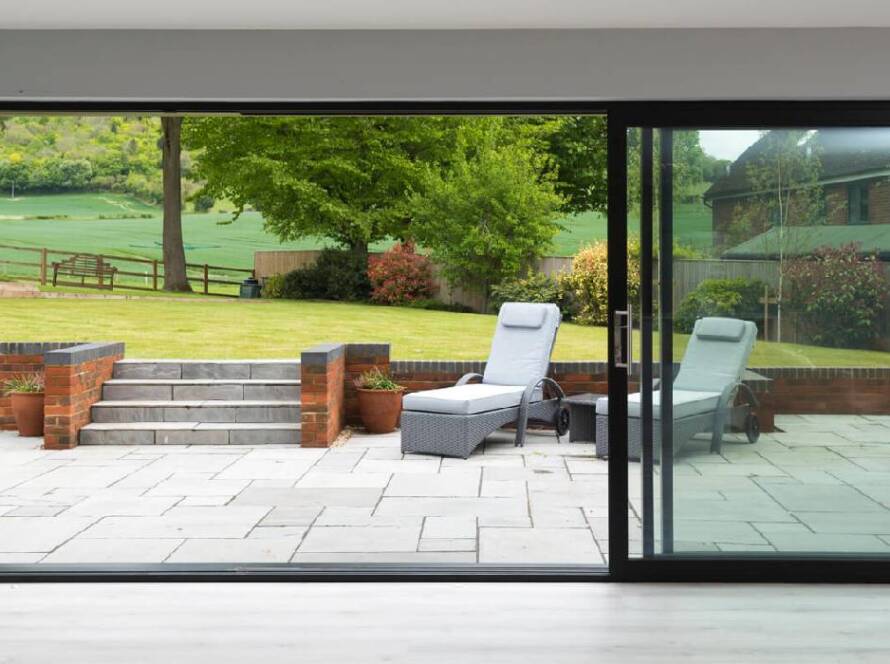
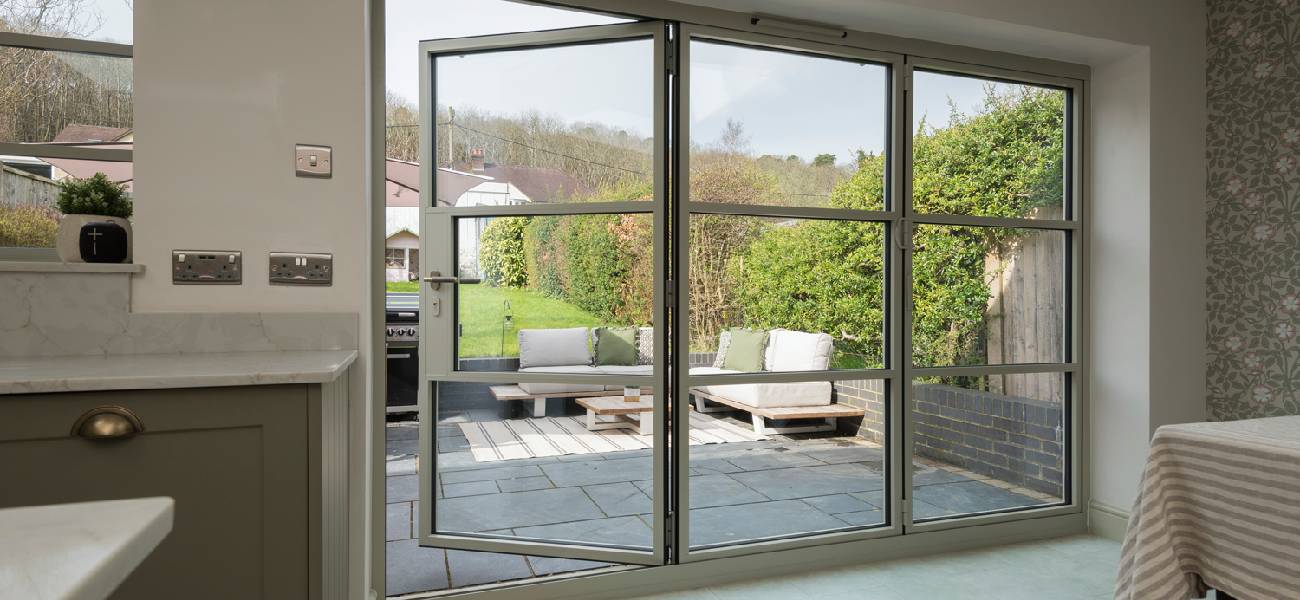
- Bifold and sliding doors
Thermally broken aluminium systems now achieve strong energy ratings while offering excellent structural strength.
They are especially effective for:
- Wide-span glazing
- Corner installations
- Minimal-frame aesthetics
Timber Frames
Timber is generally chosen for:
- Heritage homes
- Conservation areas
- Character properties
Although visually attractive, timber requires ongoing maintenance and higher long-term ownership costs.
An experienced installer will explain not only appearance differences but also:
- Lifespan expectations
- Future maintenance
- Energy performance
- Repairability
- Cost over 20+ years
Real-World Installation Considerations in Stevenage Properties
Practical installation realities are often overlooked online, but they directly affect project success.
In Stevenage, common property-specific challenges include:
Older Terraced Homes
Older terraces frequently present:
- Narrow access routes
- Irregular openings
- Brick movement
- Limited parking for installation teams
This can extend fitting times and require more detailed preparation.
1960s and 1970s Housing
Many Stevenage estates built during this period have:
- Original steel or timber frames
- Poor insulation around reveals
- Outdated ventilation systems
Replacing these windows often delivers substantial improvements in comfort and EPC ratings.
Modern Extensions
Contemporary extensions commonly include:
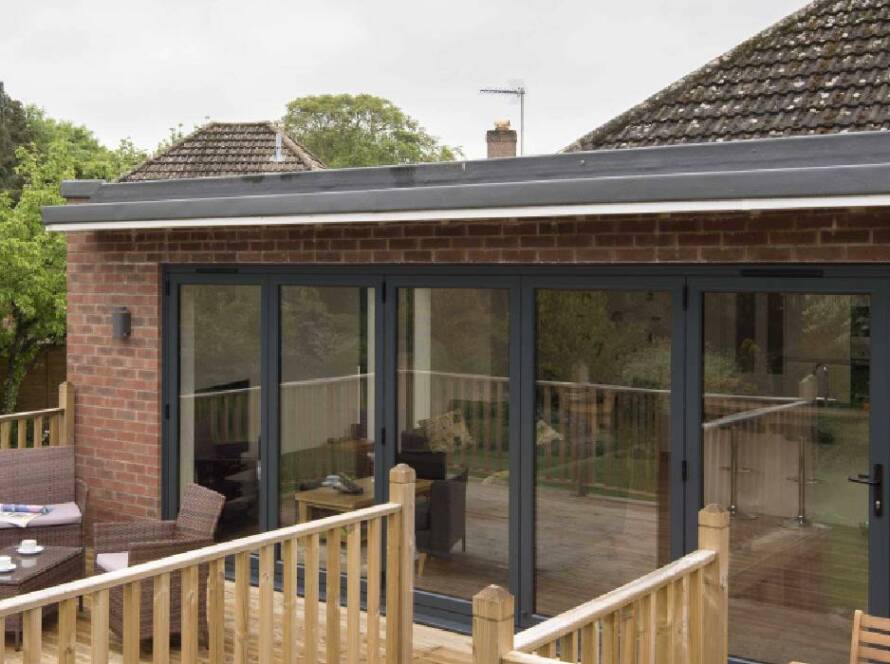
- Aluminium bifold systems
- Large glazed panels
- Flush thresholds
These installations require highly accurate levelling and structural support calculations.
Commercial Properties
Commercial glazing projects typically involve:
- Health and safety planning
- Restricted working hours
- Security considerations
- Compliance documentation
- Access equipment
Weather also plays a practical role in UK installations. Heavy rain or high winds can delay fitting schedules, especially where large openings remain temporarily exposed during frame removal.
Professional installers plan contingencies to minimise disruption and protect interiors during adverse conditions.
Energy Efficiency and EPC Improvements
Energy performance is one of the main reasons homeowners replace ageing glazing systems.
Modern windows and doors help reduce:
- Heat loss
- Draughts
- External noise
- Condensation issues
They also improve EPC ratings, which increasingly affect:
- Property value
- Rental desirability
- Mortgage considerations
- Energy costs
Most replacement installations now use:
- Low-E glass
- Argon gas-filled units
- Warm edge spacer bars
- Multi-point locking systems
The right glazing specification depends on the building itself.
For example:
| Property Type | Recommended Solution |
|---|---|
| Older detached home | A-rated double glazing |
| Busy roadside property | Acoustic glazing |
| Modern extension | Solar control glass |
| Rental property | Durable low-maintenance systems |
| Commercial office | Aluminium thermally broken frames |
Ventilation is equally important. Since updates to Part F regulations, trickle vents are now commonly required in replacement windows to maintain adequate airflow and reduce condensation risk.
Poorly ventilated homes frequently experience:
- Black mould
- Excess moisture
- Internal air quality issues
A compliant installer balances insulation improvements with proper ventilation performance.
Installation Timelines and What to Expect
One of the most common questions property owners ask is how long installation takes.
Typical timeframes are:
| Project Type | Approximate Timescale |
|---|---|
| Single replacement window | Half day |
| Standard house window replacement | 2-4 days |
| Full house with doors | 4-7 days |
| Large bifold installation | 1-2 days |
| Commercial glazing | Varies by scope |
However, actual timelines depend on:
- Property access
- Structural alterations
- Weather
- Product lead times
- Internal finishing requirements
Professional installers normally work room by room to minimise disruption.
A standard fitting process includes:
- Protecting floors and furniture
- Removing existing frames
- Preparing openings
- Installing and securing frames
- Sealing and insulating gaps
- Glazing installation
- Internal finishing
- Compliance checks
Minor cosmetic remedial work is sometimes necessary afterwards, especially in older properties where plaster or paint may be disturbed during removal.
Homeowners should also expect some temporary noise, dust, and restricted room access during installation days.
How to Choose a Reliable Installer in Stevenage
Not all installation companies deliver the same standards.
When comparing providers for windows and doors in Stevenage, property owners should assess:
Certification and Compliance
Look for:
- FENSA registration
- Insurance-backed guarantees
- Public liability insurance
- Product warranties
Survey Quality
A proper survey should include:
- Accurate measurements
- Structural assessment
- Ventilation review
- Access planning
- Compliance discussion
Quick “price-only” surveys often lead to installation problems later.
Product Specification Clarity
Professional quotations clearly explain:
- Glass specifications
- Energy ratings
- Hardware options
- Security standards
- Frame materials
Installation Experience
Companies with long-term UK installation experience understand:
- Regional property styles
- Common structural issues
- UK weather exposure
- Compliance obligations
This practical experience matters far more than aggressive sales tactics or unrealistic pricing.
Take a look on windows and doors in Stevenage
Investing in professionally installed windows and doors in Stevenage improves energy efficiency, security, comfort, and long-term property value when carried out correctly.
The success of any installation depends on:
- Accurate surveying
- Appropriate material selection
- Regulatory compliance
- Experienced fitting teams
- Proper aftercare
Whether replacing ageing frames in a residential property or upgrading glazing systems for a commercial building, choosing a qualified installer ensures the project performs properly for decades rather than only looking good initially.
With more than 30 years of UK industry experience, Design A View delivers compliant, carefully planned installation solutions tailored to the specific needs of Stevenage properties, helping clients balance performance, aesthetics, and long-term value.
Frequently Asked Questions
Costs vary depending on frame material, glazing specification, property size, and access requirements. uPVC installations are generally more affordable, while aluminium and bespoke systems cost more.
Yes. Replacement windows and doors should comply with Building Regulations. A FENSA-registered installer can self-certify the work and provide the required certificate.
Modern uPVC systems often last 20-30 years, while quality aluminium systems can exceed this with proper maintenance.
In many cases, yes. Current UK Building Regulations frequently require background ventilation to help maintain airflow and reduce condensation risk.
Yes. Professional installers regularly carry out installations throughout winter, although severe weather conditions may occasionally affect schedules or fitting times.