For homeowners and property managers in Harpenden, improving energy efficiency is no longer just a preference-it’s a practical necessity driven by rising energy costs and tightening UK regulations. Installing double glazing Harpenden properties is one of the most effective upgrades available, delivering measurable gains in thermal performance, comfort, and long-term property value.
From my 30+ years working across Hertfordshire and similar UK towns, I’ve seen how the right specification-paired with compliant installation-can significantly improve a building’s Energy Performance Certificate (EPC) rating while reducing heat loss and noise ingress.
What Double Glazing Actually Does (and Why It Matters)
Double glazing refers to a sealed unit comprising two panes of glass separated by a spacer and insulating gas (typically argon). This design reduces heat transfer, improving thermal efficiency.
In practical terms:
- Heat loss through windows can account for up to 25-30% of a property’s energy inefficiency.
- Double pane windows reduce this loss by creating a thermal barrier.
- Properly installed units can improve EPC ratings, which is critical for landlords under UK rental compliance.
Unlike older single-glazed units, modern uPVC double glazed windows and double glazed doors are engineered to meet strict performance standards aligned with UK Building Regulations Part L (conservation of fuel and power).
Harpenden Property Types and Site Considerations
Harpenden presents a mix of property styles-Victorian terraces, 1930s semis, and modern developments-each requiring a tailored approach.
Key site considerations include:
- Conservation areas: Parts of Harpenden may require planning approval for visible external changes.
- Wall construction: Solid wall properties (common in older homes) benefit significantly from double glazing due to higher heat loss.
- Access constraints: Narrow driveways or restricted rear access can affect installation timelines.
- Orientation: South-facing windows may require solar control glass to prevent overheating.
In practice, a detailed survey is essential before specifying any double glazing system. This is where experience matters-misjudging structural openings or ventilation requirements can lead to compliance issues later.
Compliance: What UK Regulations Require
Installing double glazing is not just a design choice-it’s a regulated building upgrade.
Key compliance elements:
- FENSA Certification:
Ensures your installation meets Building Regulations without needing separate council approval. - UK Government Building Regulations (Part L):
Sets minimum thermal performance standards (U-values typically ≤1.4 W/m²K for windows). - Ventilation Requirements (Part F):
Trickle vents may be required to maintain airflow and prevent condensation. - EPC Impact:
Double glazing contributes positively to property ratings-essential for rental compliance.
Important distinction:
- Legal compliance = meeting regulations and obtaining certification
- Strategic decision = choosing materials and glazing types for long-term savings
Material Choices: uPVC vs Aluminium vs Timber
Choosing the right frame material is a strategic decision that affects performance, cost, and longevity.
| Material | Pros | Cons | Best Use Case |
|---|---|---|---|
| uPVC double glazed windows | Cost-effective, low maintenance, strong insulation | Limited colour flexibility (though improving) | Most residential homes |
| Aluminium | Slim profiles, modern aesthetic, durable | Higher cost, slightly lower insulation unless thermally broken | Contemporary builds |
| Timber | Traditional appearance, good insulation | Maintenance required, higher cost | Period properties |
For most Harpenden properties, uPVC double glazed windows strike the best balance between affordability and energy efficiency.
Glazing Options and Performance Upgrades
Not all double glazing is equal. The specification of the glass itself plays a major role.
Common options include:
- Low-E glass: Reflects heat back into the room
- Argon gas fill: Improves insulation between panes
- Acoustic glazing: Reduces external noise (useful near roads)
- Toughened or laminated glass: Required for safety in doors and low-level windows
For double glazed doors, safety glazing is mandatory under UK regulations, especially in high-traffic areas.
Real-World Installation Scenario
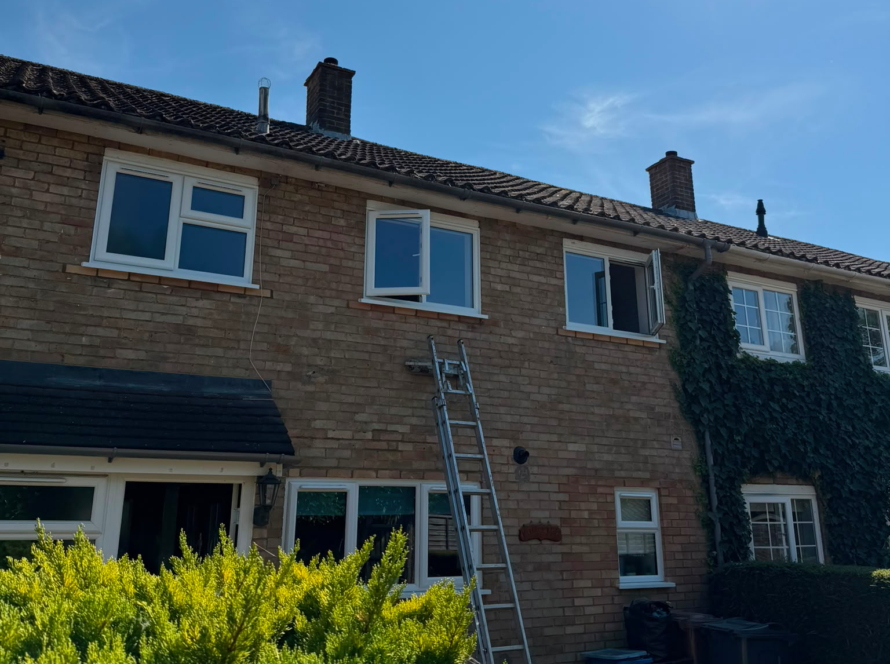
A recent project involved a 1930s semi in Harpenden with original timber windows.
Challenges:
- Uneven brick openings
- Poor insulation causing cold drafts
- EPC rating of D (borderline for rental)
Solution:
- Installed A-rated double pane windows with argon-filled units
- Upgraded to uPVC double glazed windows with integrated trickle vents
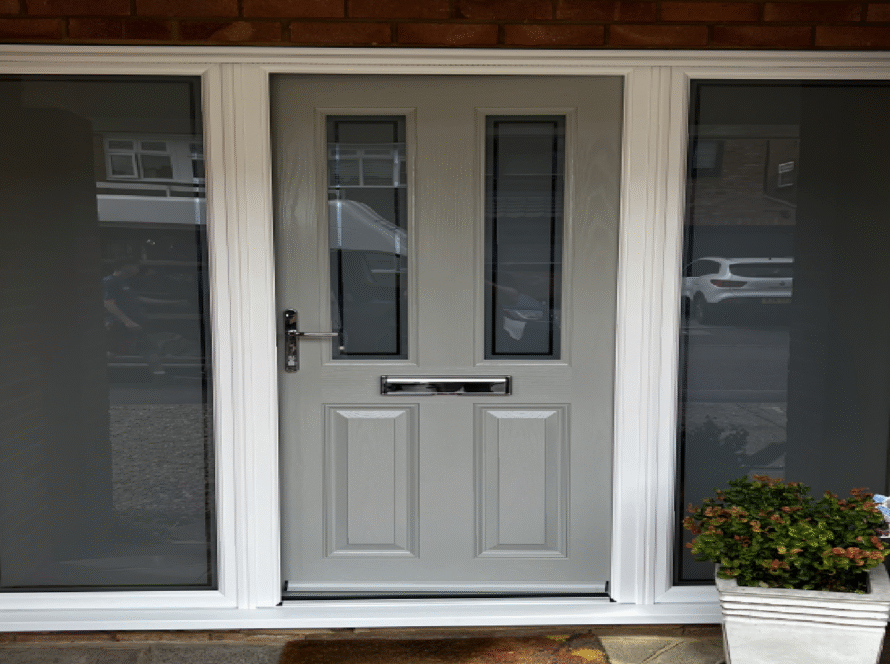
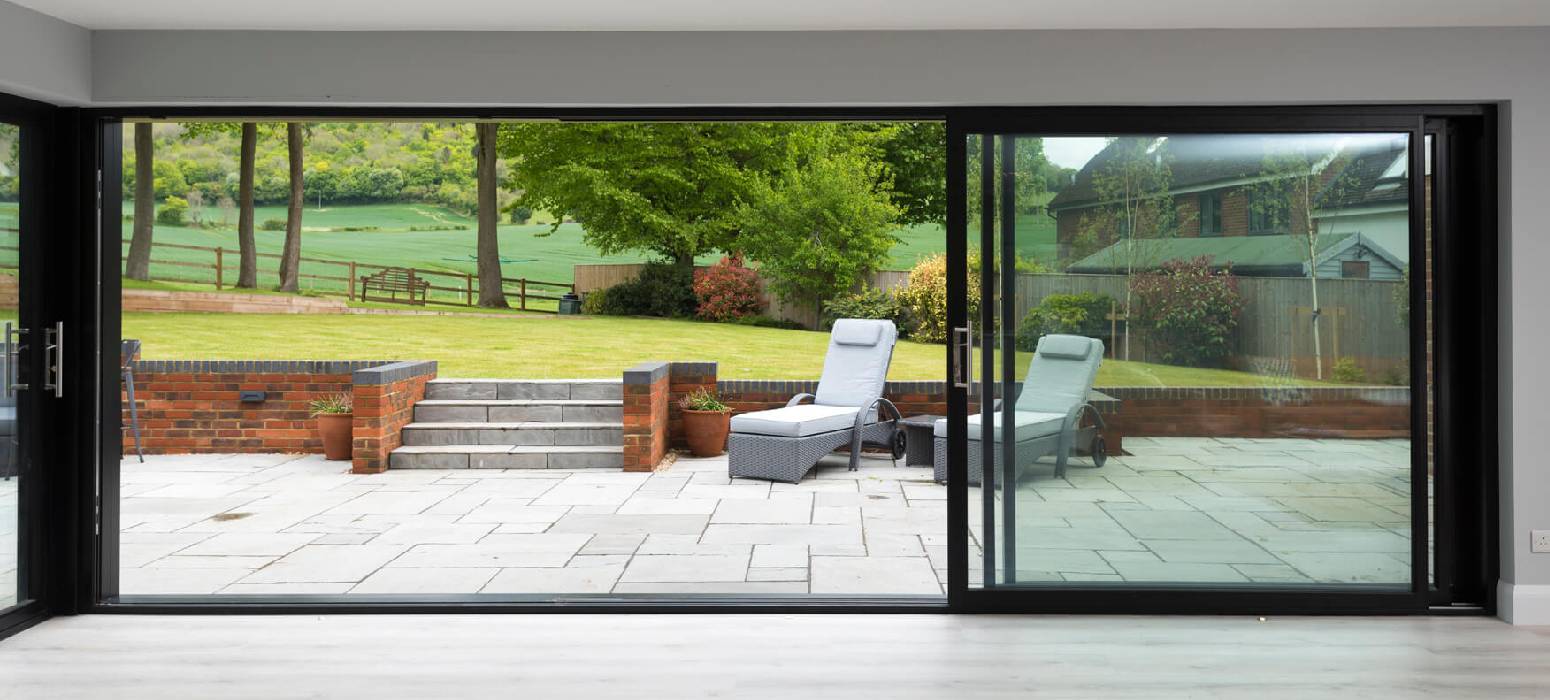
- Replaced rear patio with modern double glazed doors
Outcome:
- EPC improved from D to C
- Noticeable reduction in heating costs
- Enhanced sound insulation from nearby road
This type of upgrade is typical-and demonstrates the measurable benefits when done correctly.
Installation Process: What to Expect
Understanding the day-to-day realities helps set expectations.
Typical workflow:
- Survey (1-2 hours): Measurements, structural checks, compliance planning
- Manufacturing (2-4 weeks): Bespoke units produced
- Installation (1-3 days):
- Removal of old units
- Frame fitting and sealing
- Glass installation
- Finishing and clean-up
Common disruptions:
- Temporary loss of window access
- Noise during removal
- Minor plaster or trim adjustments
Weather delays are also a factor in the UK-rain can extend installation timelines.
Cost vs Long-Term Value
While upfront costs vary, double glazing should be viewed as a long-term investment.
Typical UK cost range:
- £500-£1,200 per window (depending on size/spec)
- £1,000-£2,500 for double glazed doors
Value benefits:
- Reduced energy bills
- Increased property value
- Improved EPC rating
- Enhanced comfort and noise reduction
For landlords, this is increasingly important due to tightening EPC requirements for rental properties.
Practical Checklist Before You Install
Use this quick checklist to guide your project:
- Confirm if planning permission is required
- Choose a FENSA-registered installer
- Verify U-value compliance
- Decide on frame material (uPVC, aluminium, timber)
- Select appropriate glazing (Low-E, acoustic, safety)
- Ensure ventilation compliance (trickle vents)
- Request a written guarantee and certification
Common Mistakes to Avoid
Even experienced property owners can overlook key details:
- Choosing price over compliance
- Ignoring ventilation requirements
- Using non-certified installers
- Overlooking access constraints during survey
- Selecting incorrect glazing for property type
These issues can lead to failed inspections or costly rework.
Why Professional Installation Matters
Double glazing performance depends as much on installation as on product quality.
Poor fitting can result in:
- Air leakage
- Condensation issues
- Reduced lifespan of units
Working with an experienced installer ensures correct alignment, sealing, and compliance-especially important in older Harpenden properties where structures are rarely uniform.
A Note on Working with an Experienced Installer
At Design a View, we approach each project with a compliance-first mindset backed by over 30 years of UK installation experience. From initial survey through to certification, the focus is on delivering energy-efficient, regulation-compliant solutions tailored to each property type.
FAQ: Double Glazing Harpenden
Costs typically range from £500 to £1,200 per window depending on size, material, and glazing specification.
Usually no, unless your property is in a conservation area or is listed. Always check with your local authority.
Most residential installations are completed within 1-3 days after manufacturing.
Yes. It significantly reduces heat loss, helping improve your EPC score-important for both homeowners and landlords.
Generally, yes. uPVC provides better thermal insulation at a lower cost, making it ideal for most homes.