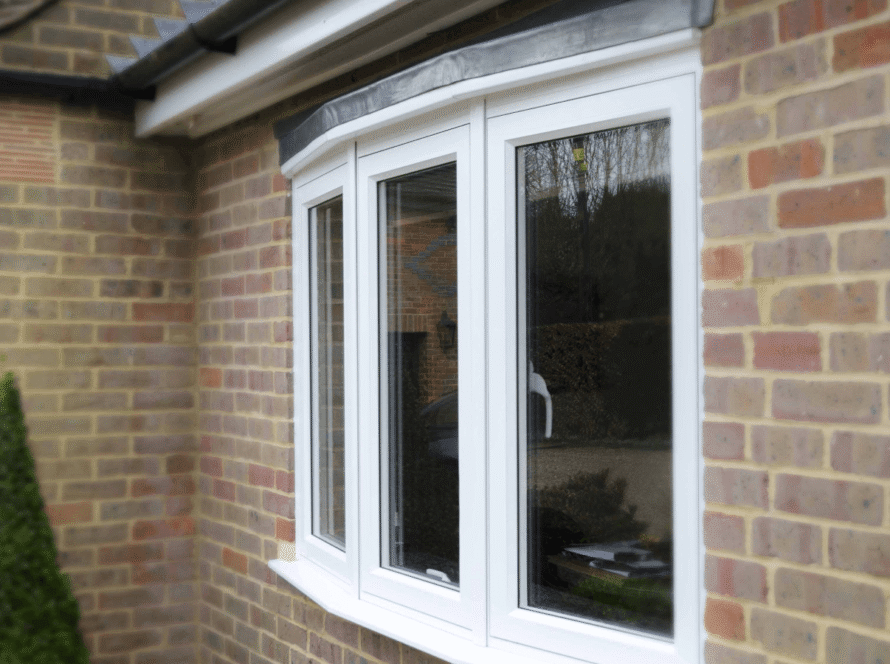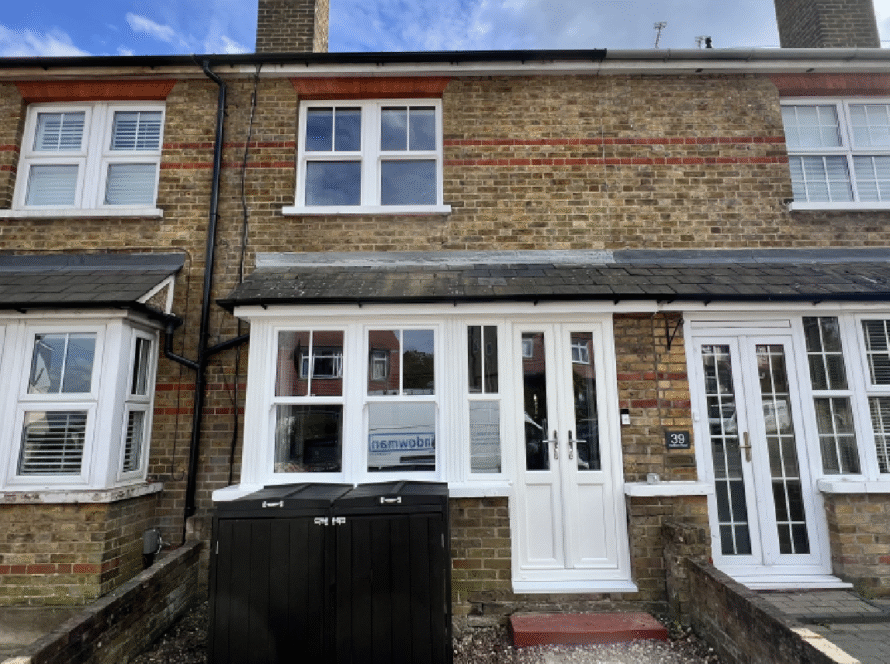

For decades, uPVC windows and doors have been a staple of UK housing-from 1930s semis to new-build developments. But with evolving regulations, rising energy standards, and a wider choice of materials now available, many homeowners and property professionals are asking a practical question in 2026: are uPVC doors still the best option?
From my 30+ years working across domestic and commercial installations, the answer isn’t a simple yes or no. It depends on compliance requirements, property type, performance expectations, and long-term value. This guide breaks down what actually matters on-site-not just what looks good in a brochure.
What Are uPVC Doors and Why Have They Been So Popular?
uPVC (unplasticised polyvinyl chloride) doors are engineered for durability, insulation, and low maintenance. Unlike timber, they don’t rot or warp, and unlike some aluminium systems, they offer strong thermal performance at a lower price point.
In simple terms:
uPVC doors are cost-effective, weather-resistant, and thermally efficient door systems widely used across UK housing stock.
Why they became the UK standard:
- Strong insulation for colder climates
- Competitive installation costs
- Minimal upkeep (no painting or sealing required)
- Long lifespan (typically 20-30 years)
Even in 2026, these benefits remain relevant-but expectations have shifted significantly.
How UK Regulations Influence Door Choice in 2026
One of the biggest changes affecting uPVC windows & doors is tighter compliance standards.
Key regulatory factors:
- FENSA certification – ensures installations meet Building Regulations
- UK Government Building Regulations (Part L) – stricter thermal efficiency requirements
- Energy Performance Certificate (EPC) targets – improved ratings required for property sales and rentals
- Ventilation requirements (Part F) – especially relevant in airtight homes
What this means in practice:
Modern uPVC doors must now meet higher U-values (thermal performance ratings). Older systems installed 10-15 years ago often fall short.
Installer insight:
We regularly see properties failing EPC improvements due to outdated glazing-not structural issues. Replacing doors can be one of the quickest compliance upgrades.
Performance Comparison: uPVC vs Aluminium vs Composite Doors
Choosing the right material is a strategic decision, not just a budget one.
| Feature | uPVC Doors | Aluminium Doors | Composite Doors |
|---|---|---|---|
| Thermal efficiency | Excellent | Moderate (improving with thermal breaks) | Very high |
| Cost | Low to mid-range | Higher | Mid to high |
| Maintenance | Very low | Very low | Low |
| Security | Good | Excellent | Excellent |
| Aesthetic flexibility | Moderate | High (slim frames) | Moderate |
| Lifespan | 20-30 years | 30+ years | 25-35 years |
Key takeaway:
- uPVC remains the best value-for-performance option
- Aluminium is preferred for modern aesthetics and large openings
- Composite doors excel for front-door security and appearance
Real-World Installation Experience
Property type: 1980s detached home in Hertfordshire
Issue: Drafts, condensation, and poor EPC rating (D)
Solution: Full uPVC door replacement with A-rated double glazing
What we encountered on-site:
- Misaligned original frames causing air leakage
- Outdated locking mechanisms not meeting current standards
- Limited cavity insulation around door openings
Installation steps:
- Detailed survey and measurement
- Removal of existing frame (careful to avoid brick damage)
- Frame realignment and insulation upgrade
- Installation of new uPVC double glazing doors
- Final sealing and compliance check
Outcome:
- EPC improved from D to C
- Noticeable reduction in drafts
- Lower heating costs within first winter
This is a common scenario across UK housing stock-especially properties built between 1970-2000.
Day-to-Day Installation Realities You Should Expect
Understanding the practical side of installation helps avoid surprises.
Typical timeline:
- Survey: 1-2 hours
- Manufacturing: 2-4 weeks
- Installation: 1 day per door
Common challenges:
- Limited access (terraced properties, narrow entries)
- Weather delays (especially in winter months)
- Structural adjustments in older homes
- Matching existing aesthetics in conservation areas
Disruption level:
- Moderate noise and dust
- Temporary loss of door access
- Usually completed within a single working day
Installer tip:
Always confirm waste removal and site clean-up are included-this varies between companies.
When uPVC Doors Are Still the Best Choice
Despite newer materials, uPVC remains highly relevant in 2026.
Best suited for:
- Buy-to-let properties needing cost-effective upgrades
- Standard residential homes (semi-detached, terraces)
- Homeowners prioritising insulation and value
- Replacement projects where frame sizes are fixed
Why they still work:
- Excellent compliance with modern EPC targets
- Proven durability in UK weather conditions
- Lower upfront investment compared to alternatives
When You Should Consider Alternatives Instead
uPVC is not always the ideal solution.
Consider aluminium or composite if:
- You want slim, modern frames (aluminium)
- Security is the top priority (composite front doors)
- Property is high-end or architect-designed
- Large bi-fold or sliding systems are required
Planning considerations:
- Conservation areas may restrict appearance
- Listed buildings often require timber alternatives
Checklist Before Choosing uPVC Doors
Use this on any UK property project:
Compliance checklist:
- FENSA or equivalent certification included
- Meets current Building Regulations (Part L & F)
- Suitable for EPC improvement
Installation checklist:
- Full site survey completed
- Frame condition assessed
- Access and logistics planned
Product checklist:
- Double or triple glazing specified
- Multi-point locking system included
- Weather seals and drainage channels verified
Cost vs Long-Term Value
Typical UK pricing (2026 estimates):
- Standard uPVC door: £600-£1,200 installed
- Composite door: £1,000-£2,500
- Aluminium system: £1,500+
While uPVC is cheaper upfront, its real value lies in:
- Reduced heating costs
- Minimal maintenance expenses
- Long-term reliability
Final Verdict Are uPVC Doors Still Worth It?
Yes-uPVC windows and doors remain one of the most practical choices for UK homes in 2026, particularly where performance, compliance, and cost balance are key.
However, they are no longer the automatic default. The right decision depends on:
- Property type
- Budget
- Design expectations
- Long-term plans
From an installer’s perspective, uPVC continues to deliver consistent results across the majority of UK housing stock-but it must be specified and installed correctly to meet modern standards.
FAQs
Yes. Modern uPVC doors meet current UK Building Regulations and can significantly improve EPC ratings when replacing older units.
Typically 20-30 years, depending on installation quality and exposure to weather conditions.
Yes, if the work involves glazing. Certification ensures compliance with UK Building Regulations and is required for property sales.
Not necessarily. uPVC offers better value, while composite doors provide higher security and premium aesthetics.
They suit most homes but may not be appropriate for listed buildings or conservation areas.