Selecting energy-efficient windows is no longer a cosmetic upgrade-it is a structural, regulatory, and financial decision that directly impacts your property’s long-term performance. For homeowners and developers seeking window and doors installation in St Albans, understanding what truly defines “energy efficiency” in a UK context is essential.
As an installation specialist with over 30 years of experience, I’ve seen first-hand how poor specification or non-compliant fitting can undermine even the most expensive glazing systems. This guide breaks down exactly how to choose the right windows, with a focus on real-world application, UK compliance, and practical installation realities.
What Makes a Window Energy Efficient in the UK?
Energy efficiency in windows is measured primarily by heat retention and thermal performance. In the UK, this is commonly expressed using:
- U-values (W/m²K) – lower values indicate better insulation
- Window Energy Ratings (WER) – graded from A++ to E
- Air leakage and draught resistance
Under UK Government Building Regulations (Part L), replacement windows must meet minimum thermal standards. Typically, this means:
- U-value of 1.4 W/m²K or lower for replacement windows
- Compliance certification via schemes like FENSA
Key takeaway: Energy efficiency is not just about the product-it’s about compliance, installation quality, and correct specification.
Understanding Property Types in St Albans
St Albans presents a mix of property styles, each requiring a tailored approach:
Period Properties (Victorian / Edwardian)
- Often located in conservation areas
- May require timber-look or heritage-style frames
- Planning permission may apply
1930s-1950s Semi-Detached Homes
- Typically suitable for uPVC upgrades
- Larger openings allow for double or triple glazing
New Builds and Extensions
- Must meet stricter EPC and Part L standards
- Often incorporate aluminium or composite systems
Your choice of windows and doors must align with both architectural style and planning constraints.
Choosing the Right Frame Material
Material selection is a strategic decision affecting insulation, durability, and cost.
uPVC Windows and Doors
- Excellent thermal performance
- Cost-effective
- Low maintenance
- Ideal for most residential installations
Best for: Standard replacements and rental properties
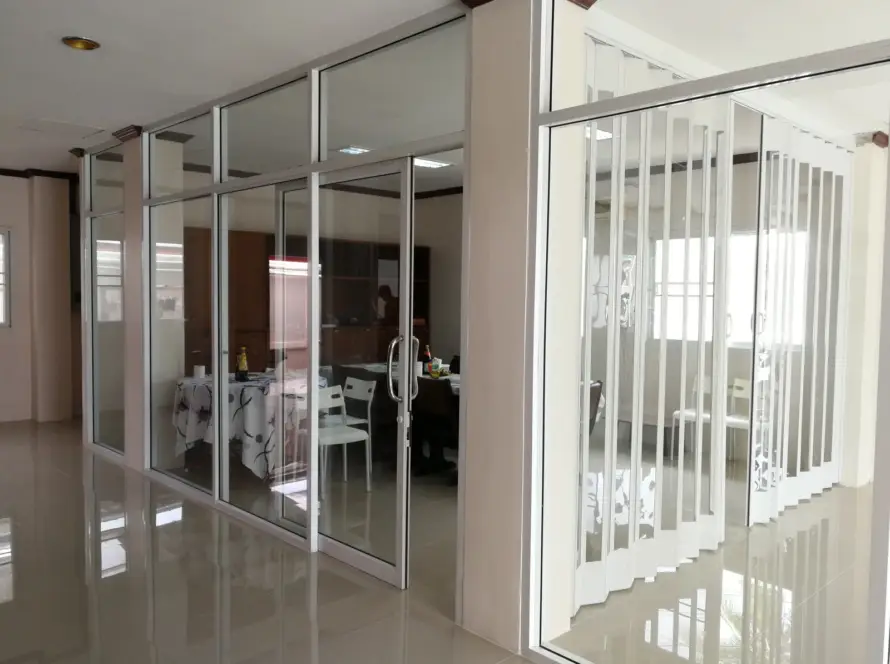
Aluminium Frames
- Slim profiles, modern aesthetics
- Strong but less insulating without thermal breaks
- Higher upfront cost
Best for: Contemporary homes and large glazing areas
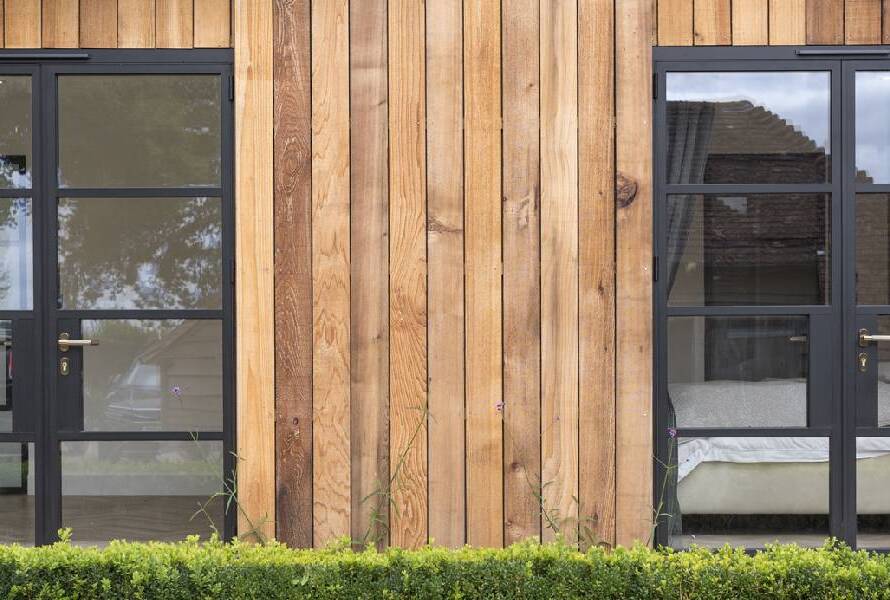
Timber Frames
- Traditional appearance
- Good insulation
- Requires maintenance
Best for: Listed buildings or conservation areas
Practical insight: For most window and doors installation in St Albans, high-quality uPVC doors and windows provide the best balance between cost and efficiency.
Double vs Triple Glazing: What Works in Practice?
Double Glazing
- Standard across the UK
- Two panes with insulating gas (argon)
- Cost-effective and compliant
Triple Glazing
- Superior insulation
- Heavier and more expensive
- Not always necessary in milder UK climates
Real-world recommendation:
In St Albans, double glazing with a high WER rating (A or above) is sufficient for most properties. Triple glazing is more relevant for:
- New builds targeting high EPC ratings
- Properties near busy roads (for noise reduction)
What Homeowners Often Overlook
Choosing energy-efficient windows is only half the job. Installation quality determines actual performance.
Survey Stage
A professional survey assesses:
- Structural openings
- Damp or cavity issues
- Load-bearing considerations
Fitting Process
- Typically 1-2 days for an average home
- Includes removal, fitting, sealing, and finishing
Common Challenges
- Uneven brickwork in older homes
- Restricted access (terraced properties)
- Weather delays impacting sealing
Important: Poor installation can lead to:
- Draughts
- Condensation
- Failed compliance inspections
Legal Compliance vs Smart Decision-Making
It’s crucial to distinguish between what you must do and what you should do.
Legal Requirements
- Compliance with UK Government Building Regulations (Part L)
- Certification via FENSA or Building Control
- Adherence to planning rules in conservation areas
Strategic Decisions
- Choosing materials based on lifespan and ROI
- Selecting glazing type for noise vs insulation
- Investing in higher WER ratings for long-term savings
Practical Installation Considerations
- Scheduling around weather
- Minimising disruption (dust, access)
- Coordinating with other trades (e.g. plastering)
Real Installation Experience in St Albans
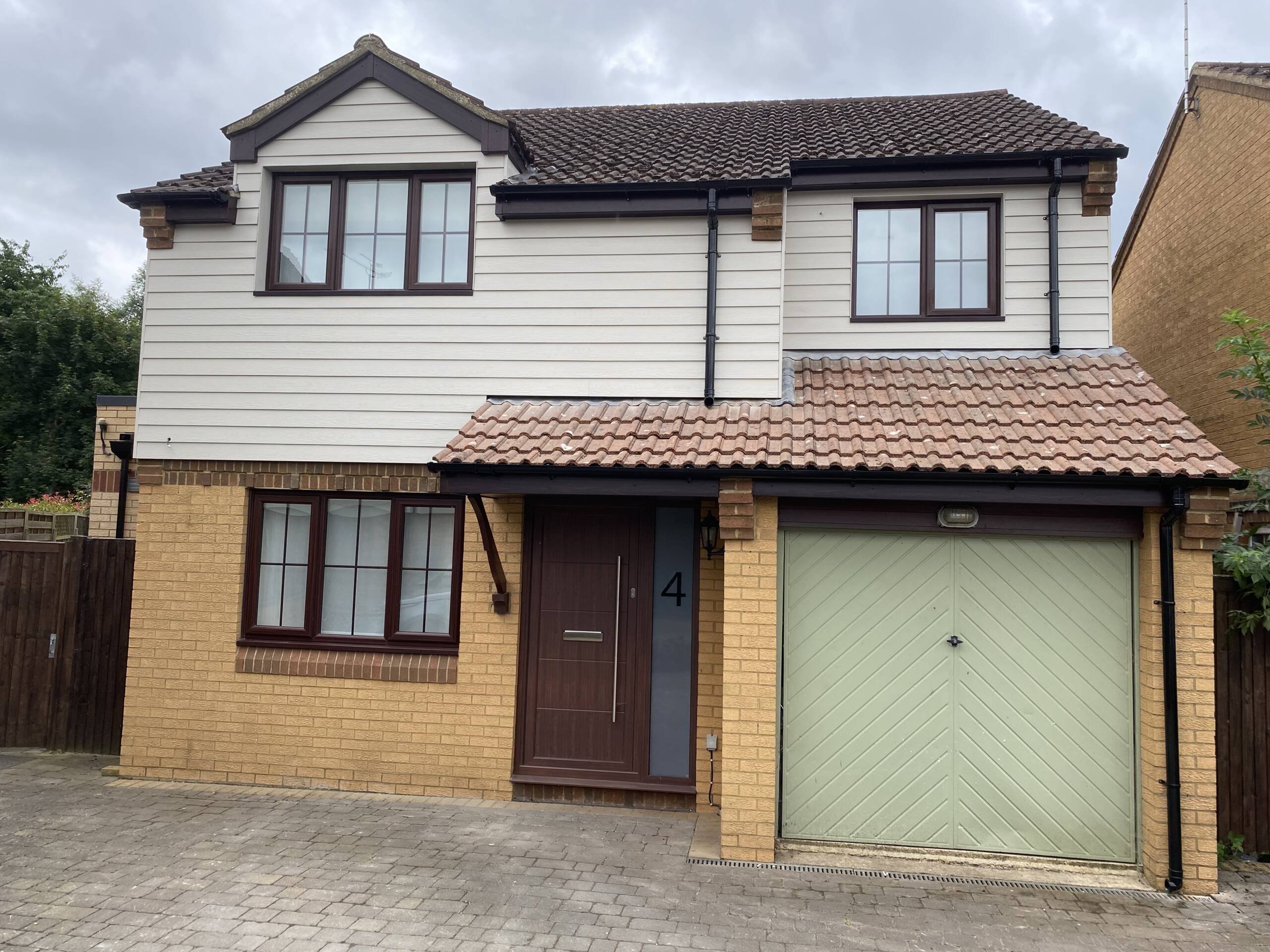
A recent project involved a 1930s semi-detached home near central St Albans.
Client requirements:
- Improve EPC rating before sale
- Reduce heating costs
- Maintain property aesthetics
Solution implemented:
- Replaced old timber frames with A-rated uPVC windows
- Installed argon-filled double glazing
- Upgraded seals and ventilation
Outcome:
- EPC improved from D to B
- Noticeable reduction in draughts
- Increased property value and buyer appeal
This is a typical example where correct specification + compliant installation delivers measurable results.
Step-by-Step Checklist for Choosing Energy Efficient Windows
Use this practical checklist before committing to any installer:
1. Assess Your Property
- Type (period, semi, new build)
- Planning restrictions
- Existing window condition
2. Define Your Goals
- Lower energy bills
- Improve EPC rating
- Reduce noise
3. Select Materials
- uPVC for efficiency and value
- Aluminium for design
- Timber for heritage compliance
4. Check Performance Ratings
- U-value ≤ 1.4 W/m²K
- WER rating A or above
5. Verify Installer Credentials
- FENSA registration
- Proven experience
- Local project references
6. Understand the Installation Process
- Timeline
- Disruption level
- Access requirements
Comparing Window Options
| Feature | uPVC Windows | Aluminium Windows | Timber Windows |
|---|---|---|---|
| Energy Efficiency | Excellent | Moderate (with break) | Good |
| Cost | Low-Medium | High | High |
| Maintenance | Low | Low | Medium-High |
| Aesthetic Flexibility | Moderate | High | High |
| Lifespan | 20-30 years | 30+ years | 30+ years (maintained) |
EPC Ratings and Long-Term Value
Your windows directly influence your Energy Performance Certificate (EPC).
Higher-performing windows can:
- Improve EPC ratings
- Reduce heating bills
- Increase resale value
In St Albans, where property values are high, even a one-grade EPC improvement can significantly impact marketability.
Views on Efficient Windows in St Albans
Choosing energy-efficient windows is a balance of compliance, performance, and practical installation considerations. For those planning window and doors installation in St Albans, the most effective approach is:
- Prioritise certified, compliant systems
- Match materials to property type
- Work with experienced, local installers
At Design A View, we bring over 30 years of hands-on installation experience, ensuring every project meets UK standards while delivering long-term energy efficiency and value.
FAQs
uPVC double-glazed windows with an A-rated WER are typically the most efficient and cost-effective option for UK homes.
Not usually, unless your property is listed or in a conservation area. Always check local authority guidelines.
Most residential installations are completed within 1-2 days, depending on property size and access.
They can be beneficial for noise reduction and new builds but are not essential for most existing homes.
Ensure they are registered with FENSA or provide Building Control certification.