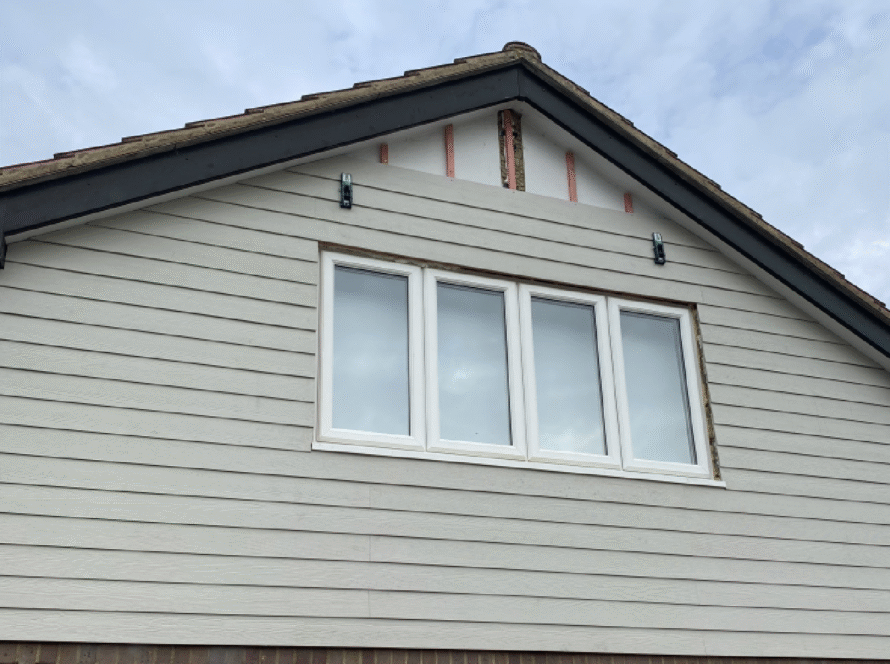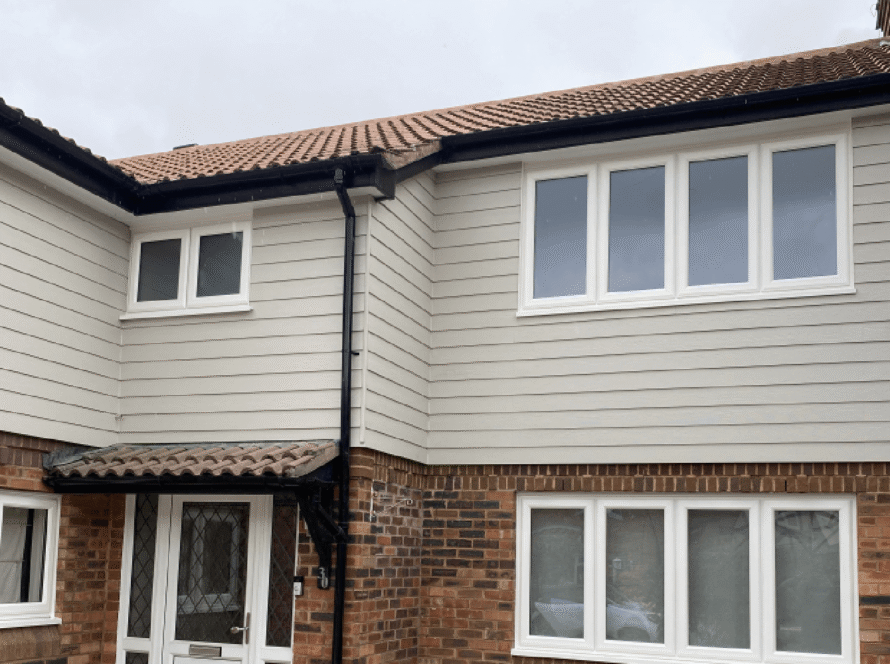
Your roofline is one of the most important protective systems on a property. It sits at the junction between the roof and the external walls, managing rainwater, ventilation, and structural protection. In UK homes, where heavy rainfall, damp conditions, and seasonal temperature changes are common, neglected roofline components can quickly lead to expensive repairs.
For homeowners, landlords, and property managers, understanding roofline maintenance is essential for protecting long-term property value and avoiding preventable damage.
From the perspective of an experienced UK installation specialist with over 30 years of practical experience, this guide explains how roofline systems work, common warning signs, material choices, compliance considerations, and what to expect during inspection, repair, or replacement projects.
What Is a Roofline System?
The roofline refers to the external finishing components installed around the edge of a roof. These elements protect the structure from water ingress and help direct rainwater safely away from the building.
A typical UK roofline system includes:
- Fascias
- Soffits
- Guttering
- Downpipes
- Bargeboards
- Roof ventilation components
In practical terms, the roofline acts as the weatherproof transition between roofing materials and the external wall structure.
Poorly maintained roofline components often contribute to:
- Damp penetration
- Rotting roof timbers
- Mould growth
- Blocked drainage
- Structural deterioration
- Reduced EPC performance
For older UK housing stock, especially Victorian terraces, 1930s semi-detached homes, and timber-framed properties, roofline deterioration is particularly common due to ageing timber fascias and outdated guttering systems.
Common Signs Your Roofline Needs Attention
Many homeowners only notice roofline issues once visible leaks or damp patches appear internally. In reality, early warning signs usually develop months or years beforehand.
Typical roofline problems include:
| Issue | Likely Cause | Potential Consequence |
|---|---|---|
| Peeling paint on fascias | Moisture ingress | Timber decay |
| Overflowing gutters | Blockages or poor falls | Damp walls and foundations |
| Sagging guttering | Failed brackets | Water damage |
| Birds nesting in soffits | Broken ventilation gaps | Pest entry |
| Cracked joints | Weather exposure | Leaks |
| Moss build-up near roof edge | Poor drainage | Roof tile deterioration |
In UK coastal areas or regions with high rainfall, such as the North West or South Wales, accelerated weather exposure can significantly shorten the lifespan of older roofline materials.
A professional inspection should also assess adjacent roofing installation elements, including roof felt condition, verge protection, and flashing integrity.
Why Roofline Maintenance Matters
Roofline neglect rarely stays isolated. Water penetration around fascias or soffits often affects roofing structures, insulation, cavity walls, and internal plasterwork.
Key benefits of maintaining your roofline include:
- Protecting roof timbers from rot
- Improving rainwater drainage
- Reducing damp and mould risk
- Supporting roof ventilation
- Enhancing kerb appeal
- Extending roof lifespan
- Supporting energy efficiency targets
For landlords and commercial property managers, proactive maintenance also helps demonstrate compliance with property maintenance obligations and duty-of-care responsibilities.
In many UK properties, roofline replacement is completed alongside roof repair or full roofing installation projects because access equipment and scaffolding are already in place.
This often reduces overall labour costs compared with separate future works.
Roofline Materials: Timber vs uPVC vs Aluminium
Material selection is one of the most important strategic decisions when upgrading a roofline system.
Timber Roofline
Traditional timber fascias and soffits remain common on period properties.
Advantages:
- Authentic appearance for heritage homes
- Suitable for conservation areas
- Repairable in sections
Drawbacks:
- Requires regular painting
- Vulnerable to rot
- Higher long-term maintenance costs
Timber may still be preferred where planning conditions require preservation of original architectural character.
uPVC Roofline
uPVC is now the most widely installed roofline material across the UK residential market.
Advantages:
- Low maintenance
- Cost-effective
- Weather resistant
- Wide colour availability
Drawbacks:
- Can become brittle over decades
- Lower structural rigidity than aluminium
- Poor-quality products may discolour
Modern foiled finishes, including anthracite grey and woodgrain effects, have improved appearance standards significantly.
Aluminium Roofline
Aluminium systems are increasingly specified for premium residential and commercial projects.
Advantages:
- Extremely durable
- Slim modern appearance
- Strong structural performance
- Long lifespan
Drawbacks:
- Higher initial investment
- Specialist installation required
Aluminium is particularly suitable for contemporary developments and architect-designed properties.
Roofline Compliance and UK Regulations
Roofline work may appear straightforward, but certain projects involve legal and regulatory considerations.
Building Regulations
Roofline replacement itself does not usually require Building Regulations approval. However, associated roofing installation works may trigger compliance requirements under UK Government Building Regulations.
This is particularly relevant where:
- Structural roof timbers are replaced
- Ventilation arrangements are altered
- Insulation upgrades are installed
- Rainwater drainage systems are modified
Proper roof ventilation is critical under Approved Document C to reduce condensation risks within roof voids.
Planning Permission
Most standard roofline replacements fall under permitted development rights.
However, planning approval may apply if:
- The property is listed
- The building sits within a conservation area
- Significant visual changes are proposed
- Materials differ substantially from the original design
Experienced roofing companies should advise on local authority requirements before work begins.
FENSA and Certification
While FENSA primarily applies to replacement windows and doors, roofline upgrades are often completed alongside glazing projects.
Using a compliant installer helps ensure broader property improvement works align with UK regulatory standards and energy performance expectations.
Improving roof insulation and ventilation can also contribute positively toward EPC assessments.
What Happens During a Professional Roofline Survey?
A proper survey is essential before any roof repair or replacement project begins.
An experienced installer will typically assess:
- Existing fascia condition
- Soffit ventilation
- Gutter falls and capacity
- Roof edge integrity
- Chimney and flashing condition
- Access restrictions
- Scaffold requirements
- Nearby conservatories or extensions
Common UK installation realities include:
- Narrow side access delaying scaffold erection
- Shared drainage systems on terraced homes
- Weather delays during winter months
- Hidden rot discovered beneath capped timber fascias
- Asbestos soffit board identification on older properties
In many cases, homeowners requesting simple fascia replacement discover wider roofing issues requiring additional repairs.
This is why experienced roofing companies prioritise full-system inspections rather than isolated cosmetic fixes.
Roofline Maintenance Checklist for Homeowners
Routine maintenance significantly extends roofline lifespan and helps prevent expensive emergency repairs.
Practical roofline care checklist:
Twice yearly:
- Clear leaves from gutters
- Check downpipes for blockages
- Inspect fascia joints
- Remove moss build-up
After storms:
- Look for loose brackets
- Check for overflowing guttering
- Inspect soffits for cracks
- Examine roof tile edges
Every 3-5 years:
- Arrange professional inspection
- Check ventilation performance
- Assess sealants and joints
- Review roof covering condition
For taller properties or commercial buildings, maintenance should always be completed safely using appropriate access equipment.
Avoid DIY ladder work on multi-storey homes.
Repair or Full Replacement: Which Is Better?
Whether to repair or fully replace a roofline depends on overall condition, age, and material type.
Repairs may be suitable when:
- Damage is isolated
- Gutters remain structurally sound
- Fascias are largely intact
- Leaks are minor
Full replacement is often more cost-effective when:
- Timber rot is widespread
- Multiple components are failing
- Ventilation is inadequate
- Roofing installation works are already planned
Many older UK properties still have original timber fascias concealed beneath uPVC capping boards. These installations can hide significant underlying decay.
An experienced installer will normally recommend full removal and inspection rather than overcladding deteriorated timber.
Choosing the Right Roofing Company
Selecting experienced roofing companies is essential for long-term reliability and compliance.
Homeowners should look for:
- Proven UK installation experience
- Public liability insurance
- Written guarantees
- Clear waste removal arrangements
- Scaffold safety compliance
- Transparent quotations
- Local project references
Be cautious of unusually low quotations that exclude scaffold costs, waste disposal, or hidden timber repairs.
A professional survey should clearly explain:
- Material specifications
- Installation methods
- Estimated fitting timescales
- Potential weather delays
- Ventilation upgrades
- Compliance considerations
Final Thoughts
A properly maintained roofline protects far more than the roof edge itself. It safeguards the structural integrity, energy efficiency, and weather resistance of the entire property.
For UK homeowners and property managers, regular inspections and timely maintenance help prevent avoidable damage while supporting long-term property value.
Whether addressing minor roof repair issues or planning a full roofing installation project, investing in quality materials and experienced installation remains the most reliable long-term approach.
With more than 30 years of practical industry experience, Design A View provides compliant, professionally installed roofline and roofing solutions tailored to UK property requirements, building standards, and long-term performance expectations.
Frequently Asked Questions
Most properties should have roofline inspections every 3 to 5 years, with additional checks after severe weather or storms.
Yes. Overflowing or leaking gutters can allow water penetration into walls and roof structures, leading to damp patches and mould growth internally.
uPVC generally requires less maintenance and offers longer weather resistance, while timber may suit period properties requiring traditional aesthetics.
Usually no, unless the property is listed, located in a conservation area, or the appearance changes significantly.
In many cases, yes. Combining roof repair or roofing installation with roofline upgrades often reduces labour and scaffold costs while improving overall performance.