
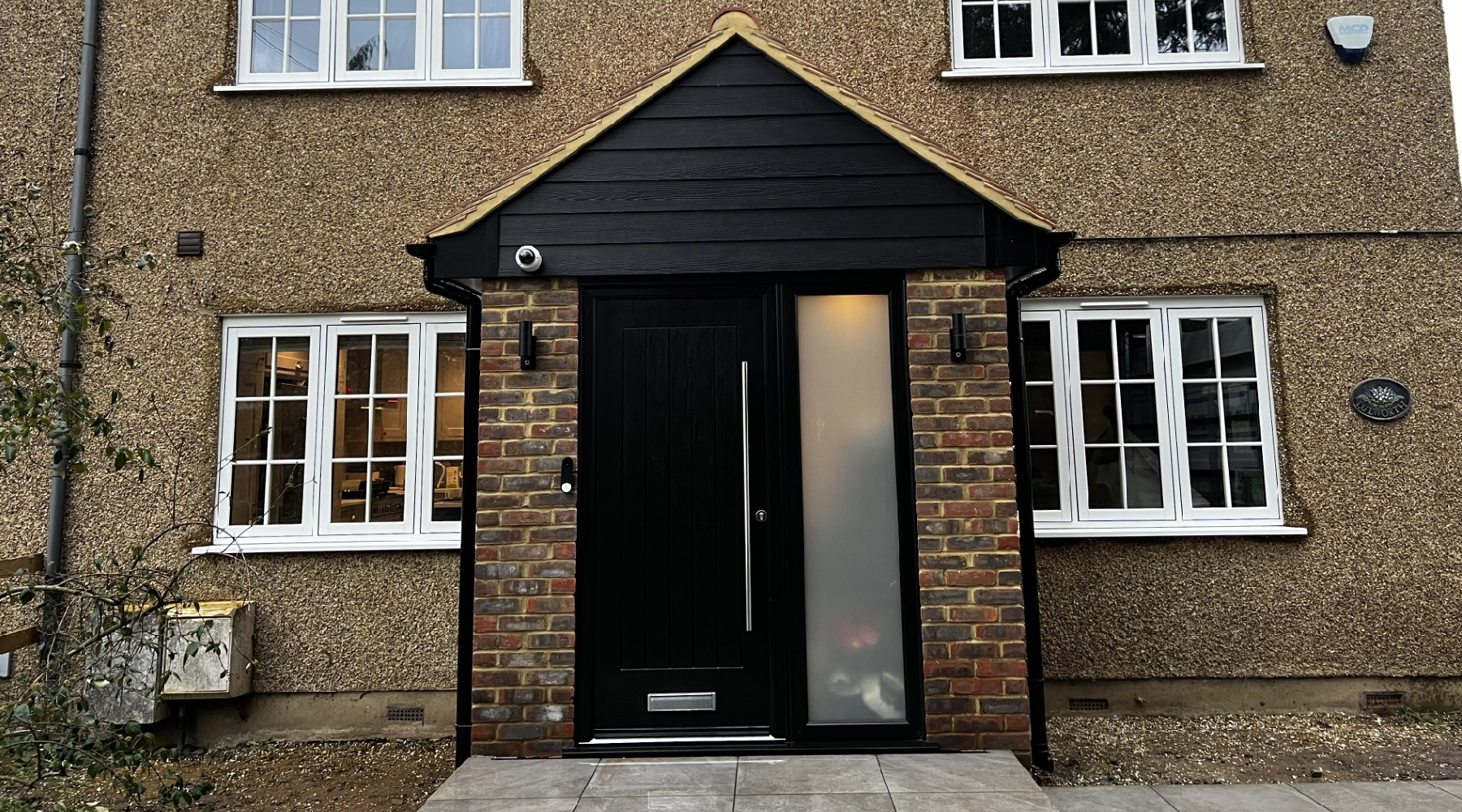
A well-designed porch installation is more than just an entrance upgrade-it’s a practical extension that improves security, energy efficiency, and kerb appeal. For UK homeowners and property developers, selecting the right porch requires balancing aesthetics with compliance, structural considerations, and long-term value.
From over 30 years of hands-on installation experience, one thing is clear: the best porches are not chosen from a brochure-they’re designed around the property, planning constraints, and how the entrance is actually used day to day.
Understanding What a Porch Installation Involves
A porch installation is a small enclosed or semi-enclosed structure built around an external door. It can serve multiple functions:
- Creating a thermal buffer to reduce heat loss
- Improving security with an additional entry point
- Providing storage for shoes, coats, and parcels
- Enhancing the visual symmetry of your home
In the UK, porches typically fall into three categories:
- Front Porch Installation – The most common, designed to improve kerb appeal and insulation
- Back Porch Installation – Often used for utility access or garden-facing entrances
- Bespoke Porches Installation – Custom-built structures tailored to unique layouts or period properties
A well-executed porch should feel like a natural extension of your property-not an afterthought.
Matching Porch Design to Property Type
Choosing the right porch starts with understanding your property style. A mismatch can reduce value rather than enhance it.
Period Properties (Victorian, Edwardian, Georgian)
- Opt for timber or heritage-style aluminium
- Use decorative glazing bars or stained glass
- Maintain symmetry and original proportions
Modern & New Builds
- Aluminium or uPVC frames with clean lines
- Minimalist glazing for maximum light
- Flat or lean-to roofing styles
Semi-Detached & Terraced Homes
- Brick-built porches that match existing façade
- Compact footprint to avoid planning issues
- Practical layouts for daily use
Rural & Cottage Homes
- Timber-framed porches with pitched roofs
- Natural materials that blend with surroundings
- Consider oak structures for longevity
Key insight: Matching materials and proportions to the existing structure is more important than choosing a “trendy” design.
Legal Requirements and UK Compliance
Porch installations in the UK are subject to specific regulations, but not all projects require planning permission.
Planning Permission
You typically don’t need permission if:
- The porch is under 3m² in ground area
- Height does not exceed 3 metres
- It is at least 2 metres from boundaries and highways
However, always verify with local authorities, especially in conservation areas.
Building Regulations Compliance
Even if planning permission is not required, compliance with UK Government Building Regulations may still apply.
Key areas include:
- Structural stability
- Glazing safety standards
- Electrical work certification
- Thermal performance
Installations should be carried out by a FENSA-registered installer, ensuring compliance and certification.
EPC Considerations
Adding a porch can improve insulation and reduce drafts, indirectly supporting better Energy Performance Certificate (EPC) ratings-particularly in older properties.
Choosing the Right Materials for Long-Term Value
Material selection directly affects durability, maintenance, and cost.
uPVC Porches
- Cost-effective and widely used
- Low maintenance
- Good thermal performance
- Ideal for standard residential properties
Aluminium Porches
- Slim profiles and modern appearance
- High durability and weather resistance
- Higher upfront cost but longer lifespan
Timber Porches
- Best suited for heritage properties
- Requires regular maintenance
- Offers unmatched character and warmth
Brick-Built Porches
- Seamless integration with existing structure
- Excellent insulation
- Higher construction time and cost
Professional tip: For most UK homes, a hybrid approach (brick base + uPVC or aluminium glazing) offers the best balance.
Glazing, Doors, and Security Considerations
Your porch is an additional security layer-so glazing and door choices matter.
Glazing Options
- Double glazing (standard for insulation)
- Laminated glass (enhanced security)
- Obscure glass (privacy for street-facing porches)
Door Choices
- uPVC doors for affordability
- Composite doors for strength and insulation
- Aluminium doors for modern aesthetics
Security Enhancements
- Multi-point locking systems
- Anti-snap cylinders
- Motion sensor lighting
A properly installed porch can significantly reduce heat loss and improve home security.
Real-World Installation Experience(UK Property)
A homeowner in Hertfordshire approached us to upgrade a dated entrance on a 1930s semi-detached property.
Challenges:
- Limited front space (under 3m² restriction)
- Mismatch between original brickwork and previous porch
- Draft issues affecting hallway temperature
Solution:
- Designed a compact Front Porch Installation with matching brickwork
- Installed double-glazed uPVC units with a composite front door
- Ensured compliance through FENSA certification
Outcome:
- Noticeable reduction in drafts
- Improved EPC rating
- Enhanced kerb appeal aligned with neighbouring properties
This highlights the importance of site-specific design rather than generic solutions.
Installation Considerations
Surveying and Planning
- Accurate measurements are critical
- Check ground levels and drainage
- Identify access constraints
Installation Timeline
- Typical timeframe: 3 to 7 days
- Brick-built porches may take longer
- Weather can impact schedules significantly
Disruption Factors
- Temporary loss of front door access
- Noise and dust during construction
- Material delivery constraints
Common Issues
- Uneven ground or foundation challenges
- Planning misunderstandings
- Poor alignment with existing structure
Working with experienced installers reduces the risk of costly adjustments.
Porch Installation Checklist for UK Homeowners
Before committing to a porch installation, use this checklist:
Design & Planning
- Does the porch match your property style?
- Is the size within permitted development limits?
Compliance
- Do you need planning permission?
- Will the installer provide FENSA certification?
Materials
- Are materials suitable for UK weather conditions?
- What is the long-term maintenance requirement?
Performance
- Will the porch improve insulation?
- Are security features included?
Installation
- Is access for installation clear?
- Have timelines and disruptions been explained?
Strategic vs Practical Decision-Making
Understanding the difference between planning and execution is crucial.
Strategic Decisions
- Choosing materials (uPVC vs aluminium vs timber)
- Deciding between bespoke porches installation or standard designs
- Evaluating long-term ROI and energy savings
Legal Compliance
- Planning permission checks
- Building Regulations adherence
- Certification via recognised bodies like FENSA
Day-to-Day Installation Realities
- Site preparation and access
- Weather delays
- On-site adjustments during fitting
Separating these aspects ensures a smoother, more predictable project.
Why Experience Matters in Porch Installation
Not all porch installations are equal. Poorly designed porches often result in:
- Draft issues
- Water ingress
- Non-compliance with UK regulations
- Reduced property value
An experienced installer understands:
- Structural integration with existing buildings
- UK-specific weather challenges
- Compliance pathways and certification
This is where a specialist like Design A View adds value-delivering compliant, durable, and well-integrated porch solutions without unnecessary complications.
FAQ: Porch Installation in the UK
Not usually, provided the porch is under 3m², under 3 metres high, and at least 2 metres from boundaries. Always confirm with your local council.
Costs vary widely depending on size, materials, and design. uPVC porches are more affordable, while bespoke or brick-built options are more expensive.
Most installations take between 3 to 7 days. Larger or brick-built porches may take longer due to curing times and weather conditions.
Yes. A porch acts as a thermal buffer, reducing drafts and helping maintain internal temperatures, which can positively impact EPC ratings.
It depends on the property. uPVC is cost-effective, aluminium offers modern durability, and timber suits period homes. A hybrid solution is often ideal.