When planning a major home renovation, many UK property owners focus first on kitchens, flooring, extensions, or decoration. In practice, however, Windows and Doors should often be addressed at the earliest stage of the project. They directly affect structural opening sizes, insulation performance, ventilation, compliance, security, and the overall sequencing of trades on site.
From over 30 years of experience in the UK glazing and installation sector, one issue appears repeatedly: homeowners leave window and door decisions too late, only to face delays, redesign costs, failed EPC targets, or avoidable disruption during fitting.
Whether renovating a Victorian terrace, modernising a 1990s detached property, or upgrading a rental portfolio, getting your glazing strategy right from the start helps prevent costly mistakes later in the project.
Why Windows and Doors Should Be a Priority During Renovation
In renovation work, windows and external doors influence far more than appearance. They affect:
- Thermal efficiency
- Structural alterations
- Ventilation compliance
- Security standards
- Natural light levels
- Interior finishing schedules
- Long-term maintenance costs
A full Windows and doors replacement project often changes wall openings, lintel support requirements, and insulation detailing. Waiting until late-stage renovation can create clashes with plastering, flooring, kitchen fitting, or electrical work.
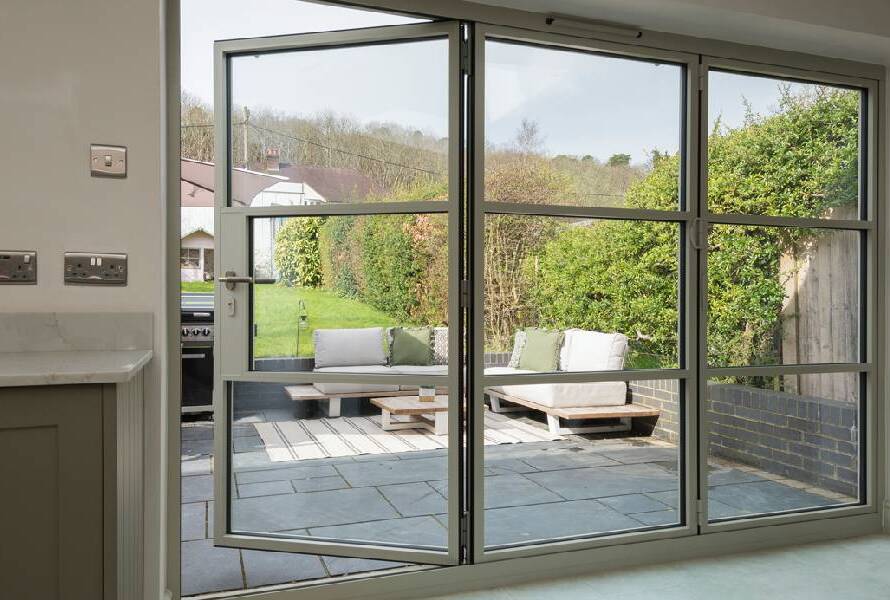
For example, replacing outdated timber frames with modern aluminium systems may alter reveal depths and sill projections. Similarly, installing larger bifold or sliding doors frequently requires structural calculations and steel support installation before internal finishes begin.
In UK renovation projects, sequencing matters. Experienced installers will usually recommend:
- Initial property survey
- Structural assessment where required
- Product specification
- Building Regulation review
- Manufacture lead time planning
- Installation before final decorating
This approach reduces rework and keeps renovation timelines manageable.
Understanding UK Compliance Requirements
One of the biggest misunderstandings among property owners involves legal compliance. Replacing external glazing is not simply a cosmetic upgrade.
In England and Wales, replacement windows and doors must comply with relevant sections of the UK Government Building Regulations, including:
- Part L – Conservation of fuel and power
- Part F – Ventilation
- Part Q – Security for new dwellings
- Part K – Safety glazing requirements
- Part B – Fire escape considerations
For most replacement projects, certification is also required. This is where schemes such as FENSA become important.
A FENSA-registered installer can self-certify compliant work, meaning the homeowner receives a certificate confirming the installation meets Building Regulations standards. This documentation is often requested during future property sales.
Without certification, homeowners may face:
- Difficulties selling the property
- Problems with mortgage lenders
- Local authority enforcement issues
- Reduced buyer confidence
Planning permission requirements differ depending on the property type.
You may require permission if:
- The property is listed
- The home is within a conservation area
- Window appearance materially changes
- Structural openings are altered significantly
An experienced UK installer should identify these risks during the survey stage rather than after manufacturing begins.
Material Choices: Practical Considerations for UK Properties
Choosing the right frame material is not simply about aesthetics. The best option depends on property age, exposure conditions, maintenance expectations, and energy targets.
uPVC Windows and Doors
uPVC remains one of the most common options across UK residential projects because it offers:
- Strong thermal performance
- Lower maintenance
- Competitive pricing
- Good lifespan
- Wide design availability
Modern uPVC systems perform significantly better than earlier generations installed during the 1980s and 1990s.
However, not every property suits uPVC visually. On heritage homes or premium developments, planners may object to bulky profiles or inappropriate finishes.
Aluminium Systems
Aluminium has become increasingly popular in renovation projects involving:
- Contemporary extensions
- Large glazed openings
- Slim sightlines
- High-end architectural upgrades
Thermally broken aluminium systems now achieve strong energy ratings while offering better structural rigidity for wider spans.
They are particularly effective for:
- Sliding patio doors
- Bifold systems
- Corner glazing
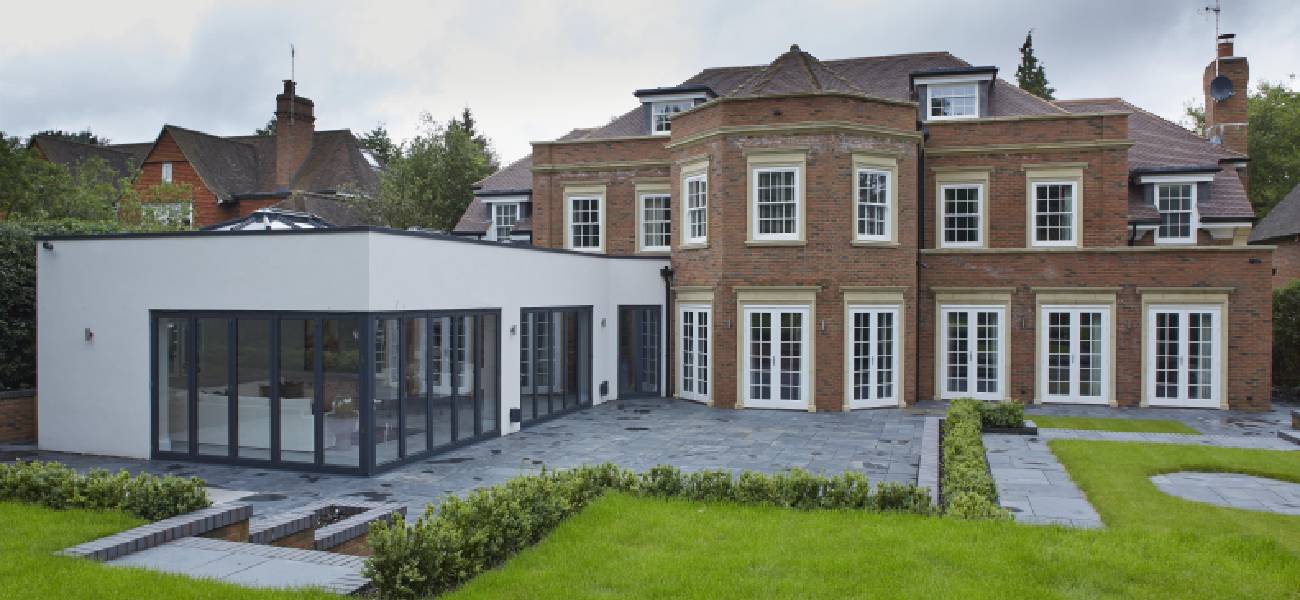
- Modern rear extensions
The main consideration is cost. Aluminium installations generally carry a higher upfront investment than standard uPVC.
Timber Frames
Timber remains essential for:
- Listed properties
- Conservation areas
- Period restorations
Well-manufactured engineered timber windows can provide excellent longevity and thermal performance. However, maintenance requirements are higher, especially in exposed coastal or high-moisture locations.
A realistic renovation strategy considers not only initial budget but also:
- Future maintenance
- Lifespan
- Repairability
- EPC improvement potential
- Property resale value
Energy Efficiency and EPC Performance
Energy efficiency is now central to UK renovation planning. Rising energy costs and tightening EPC expectations mean glazing upgrades are often one of the fastest ways to improve property performance.
Older double glazing installed before modern standards frequently suffers from:
- Failed seals
- Poor thermal breaks
- Air leakage
- Cold bridging
- Draught issues
Modern replacement systems can substantially improve:
- Internal comfort
- Heat retention
- Condensation control
- Noise reduction
For landlords and developers, EPC ratings are increasingly important. Proposed tightening of rental efficiency standards continues to influence refurbishment decisions across the private rental sector.
Key glazing specifications affecting energy performance include:
- Low-E glass coatings
- Argon gas-filled units
- Warm edge spacer bars
- Multi-chamber frame systems
- Triple glazing in exposed areas
That said, triple glazing is not automatically necessary for every UK property. In many renovation projects, high-quality double glazing provides the best balance between cost, thermal performance, and installation practicality.
Installers should also assess ventilation requirements carefully. Improving airtightness without addressing airflow can increase condensation and mould risks.
Real-World Installation Challenges During Renovation
The practical realities of Windows and doors installation are often underestimated.
On occupied renovation sites, installers regularly encounter:
- Restricted access
- Delayed scaffold availability
- Weather interruptions
- Hidden structural defects
- Uneven existing openings
- Out-of-square brickwork
- Failed lintels
- Damp-related deterioration
Older UK housing stock presents particular challenges.
Victorian and Edwardian properties rarely have perfectly level openings. Installers may need to:
- Rebuild reveals
- Adjust packers extensively
- Repair surrounding masonry
- Replace damaged cavity trays
- Upgrade insulation around frames
In extension projects, coordination with builders is equally important. If openings are not constructed to agreed survey dimensions, manufactured products may not fit correctly, causing delays and costly remakes.
Lead times also matter.
Custom-manufactured products typically require:
- uPVC: 2-5 weeks
- Aluminium: 4-8 weeks
- Specialist timber systems potentially longer
This must be factored into renovation schedules early.
Weather can also affect installation quality. Heavy rain or freezing temperatures may delay fitting, sealant curing, or external finishing work. Experienced installers plan contingencies rather than promising unrealistic completion dates.
How to Approach a Renovation Window and Door Upgrade
A structured approach reduces risk significantly.
Step 1: Arrange a Detailed Survey
A professional survey should include:
- Accurate measurements
- Structural assessment
- Opening condition checks
- Ventilation review
- Access evaluation
- Glass specification recommendations
Surveying is one of the most critical stages. Manufacturing errors caused by poor surveying are expensive and disruptive.
Step 2: Define Your Long-Term Objectives
Clarify whether your priority is:
- EPC improvement
- Lower maintenance
- Modern appearance
- Heritage compliance
- Security upgrades
- Noise reduction
- Rental value enhancement
The correct specification depends on the property’s intended long-term use.
Step 3: Confirm Compliance Requirements
Before ordering:
- Check planning constraints
- Confirm Building Regulation compliance
- Verify certification arrangements
- Review safety glazing requirements
Do not assume every installer handles this automatically.
Step 4: Compare Product Performance
Request clear written information covering:
- U-values
- Security ratings
- Frame warranties
- Glass specifications
- Maintenance requirements
Avoid comparing quotes based only on headline pricing.
Step 5: Coordinate Installation Timing
Window replacement should align with:
- Structural works
- Plastering schedules
- Decorating
- Flooring installation
- Kitchen fitting
Proper sequencing prevents unnecessary damage and delays.
Comparison Table: Choosing the Right Window Material
| Feature | uPVC | Aluminium | Timber |
|---|---|---|---|
| Initial Cost | Lower | Medium to High | High |
| Maintenance | Low | Low | Medium to High |
| Thermal Efficiency | Very Good | Good to Very Good | Excellent |
| Slim Sightlines | Moderate | Excellent | Good |
| Heritage Suitability | Limited | Moderate | Excellent |
| Lifespan | Good | Excellent | Excellent with maintenance |
| Best For | Standard homes | Contemporary renovations | Period properties |
Common Mistakes UK Homeowners Make
Several recurring mistakes increase renovation costs unnecessarily.
Choosing Products Before Surveying
Online pricing without a site survey often leads to specification problems later.
Ignoring Ventilation Requirements
Modern airtight systems require careful airflow planning to avoid condensation issues.
Prioritising Lowest Cost Over Installation Quality
Poor fitting causes:
- Draughts
- Water ingress
- Premature seal failure
- Reduced energy performance
Installation quality matters as much as product quality.
Failing to Verify Certification
Always confirm whether your installer provides FENSA certification or Building Control approval.
Leaving Orders Too Late
Manufacturing lead times regularly disrupt renovation schedules when glazing is treated as an afterthought.
Choosing an Experienced UK Installer
A professional installer should provide:
- Detailed surveying
- Clear specifications
- Transparent compliance guidance
- Realistic lead times
- Written guarantees
- Aftercare support
Experience matters particularly in renovation environments where no two properties are identical.
At Design a View, our team works across residential and commercial projects throughout the UK, helping homeowners, landlords, and developers navigate compliant, energy-efficient window and door upgrades with practical installation planning based on decades of hands-on experience.
FAQs
Yes. Replacement windows and doors must comply with UK Building Regulations. Most homeowners use a FENSA-registered installer who can self-certify the work.
Most standard residential installations take between one and five days depending on property size, access, weather conditions, and structural complexity.
Not always. High-quality double glazing is sufficient for many UK properties. Triple glazing is typically more beneficial in exposed, high-noise, or low-energy buildings.
Possibly, but additional planning restrictions may apply. Material choice, frame appearance, and glazing style are often controlled by local planning authorities.
Both contribute significantly. However, replacing outdated glazing with modern energy-efficient systems can noticeably improve thermal performance and reduce heat loss quickly.