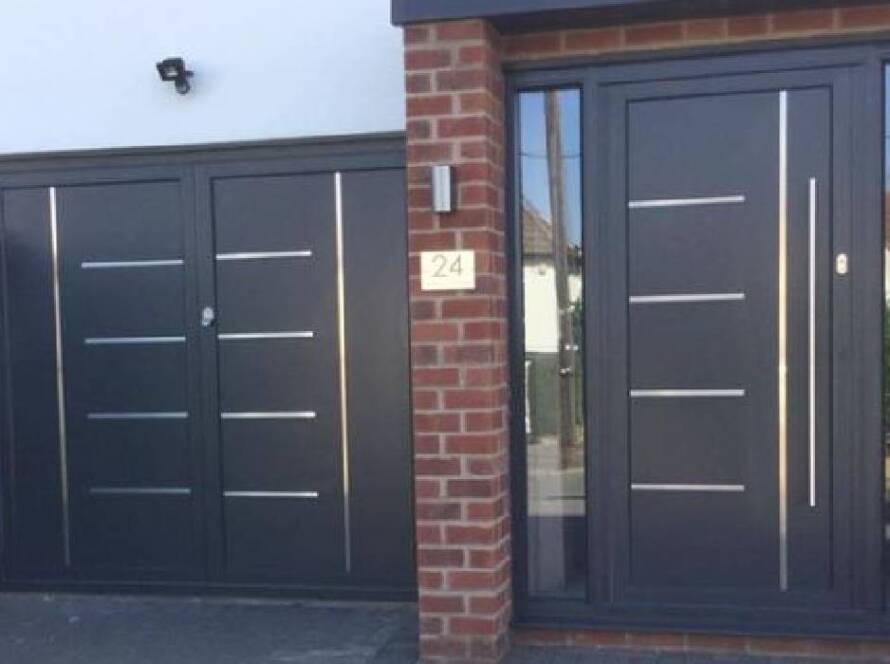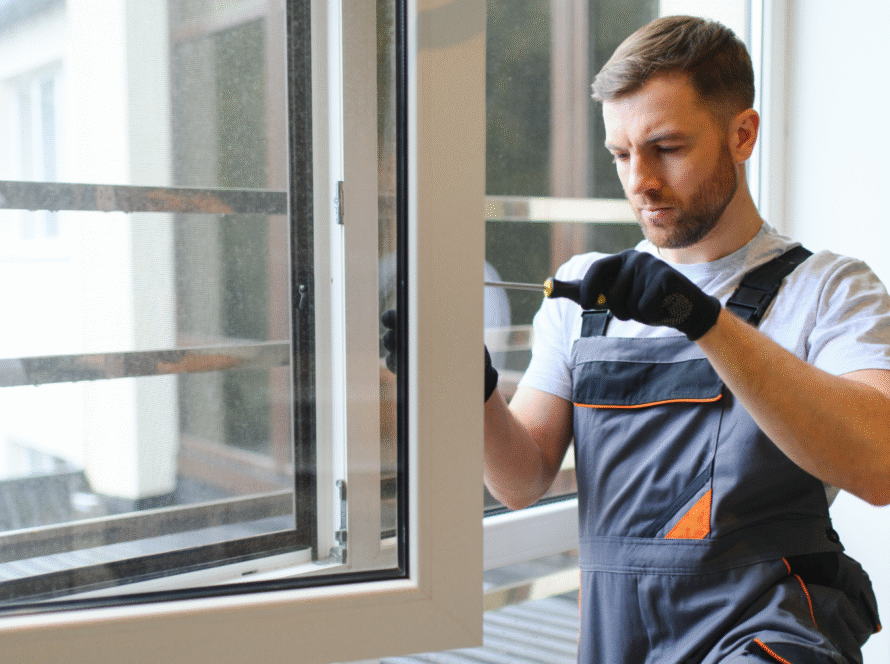
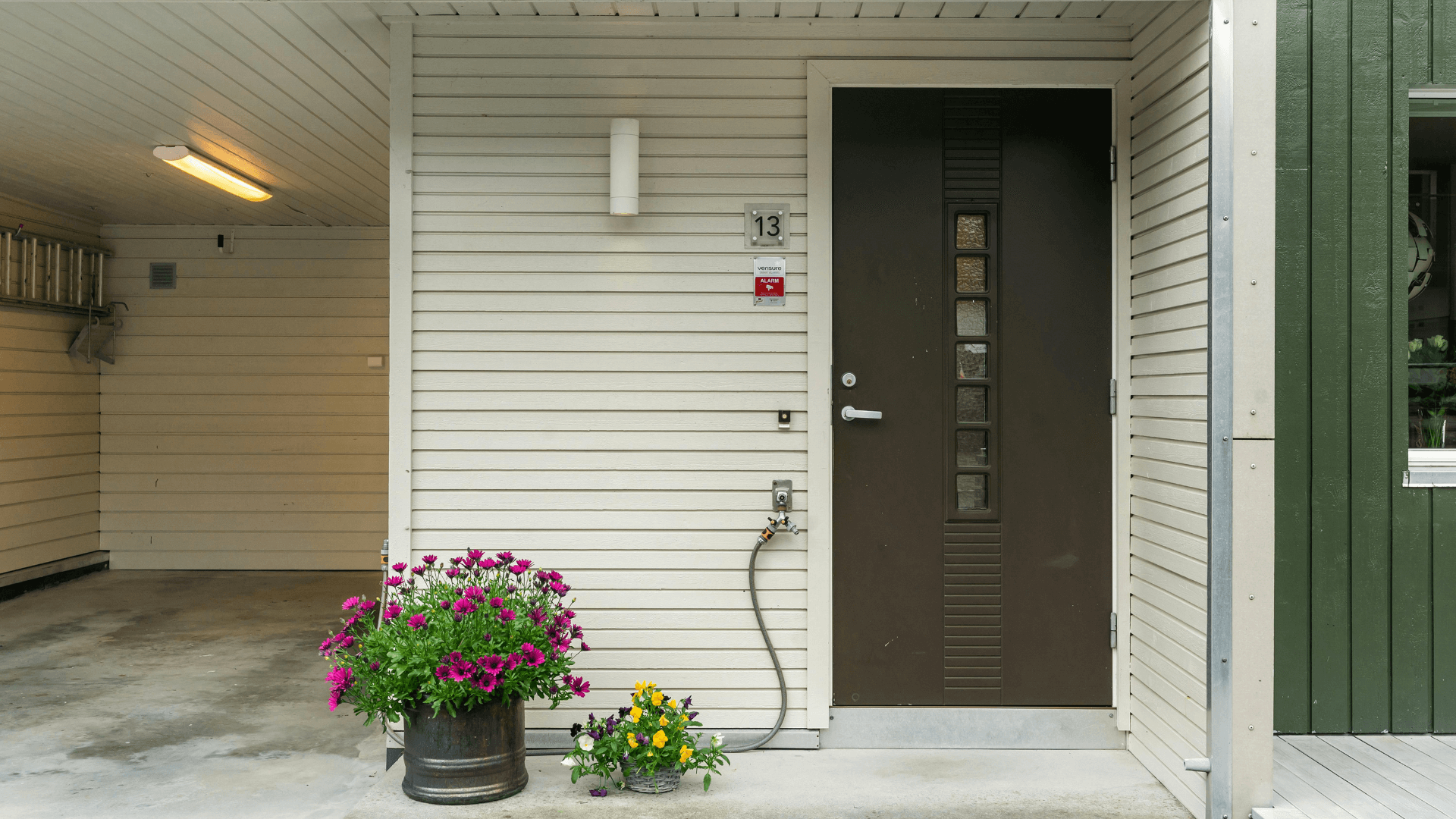
For homeowners and property managers in Harpenden, security is no longer limited to locks alone. Modern Front Doors Harpenden are expected to deliver strong physical protection, thermal efficiency, compliance with UK Building Regulations, and long-term durability suitable for local property styles and weather conditions.
Whether upgrading a Victorian terrace near Harpenden town centre, replacing ageing timber entrances on a suburban semi-detached home, or specifying secure access points for rental properties, selecting the right entrance system requires careful consideration. Security performance depends not only on the door material itself, but also on installation standards, locking mechanisms, frame reinforcement, glazing specification, and ongoing maintenance.
With over 30 years of industry experience, professional installers understand that even high-performance doors can fail if poorly surveyed or incorrectly fitted. This guide explains the most important security features to look for when investing in Front Doors in Harpenden, alongside the legal, practical, and long-term considerations UK property owners should understand before installation.
Why Front Door Security Matters for UK Properties
A front entrance door remains one of the most targeted access points during opportunistic burglaries across the UK. Older doors with outdated cylinders, weak frames, or single-point locks are particularly vulnerable.
Modern entrance systems are designed to resist:
- Forced entry attacks
- Lock snapping
- Hinge manipulation
- Frame spreading
- Glazing removal
- Weather-related structural movement
For many Harpenden homeowners, upgrading to secure uPVC front doors or composite alternatives also improves EPC performance and reduces draught-related heat loss.
Under current UK Government Building Regulations, replacement entrance doors must comply with relevant standards relating to thermal efficiency, ventilation, and safety glazing where applicable. Installations completed through a registered competent person scheme such as FENSA help ensure compliance certification is properly issued after fitting.
This certification is particularly important when:
- Selling a property
- Remortgaging
- Letting residential accommodation
- Demonstrating Building Regulations compliance
Multi-Point Locking Systems Are Now Essential
One of the most important security upgrades in modern new front doors installations is the multi-point locking system.
Unlike traditional single latch systems, multi-point locks secure the door at several locations simultaneously. Typically, these systems engage:
- The centre lock
- Top and bottom hooks
- Compression rollers
- Deadbolts
This distributes force more evenly across the frame and significantly reduces vulnerability during forced entry attempts.
For UK properties, installers commonly recommend:
- PAS 24 tested locking systems
- Anti-snap cylinders
- TS007 3-star rated cylinders
- Secured by Design approved hardware
Cylinder snapping remains one of the most common methods used against older euro-cylinder locks. Anti-snap technology helps prevent this by sacrificing an external section of the cylinder while keeping the internal mechanism secure.
Professional surveyors will also assess whether the existing frame condition can support upgraded locking hardware. In many Harpenden properties, older timber frames may require reinforcement or full replacement before high-security systems can function correctly.
Material Choice Directly Affects Security Performance
Different door materials provide different levels of structural integrity, maintenance requirements, and long-term performance.
uPVC Front Doors
Modern uPVC front doors remain popular due to:
- Cost efficiency
- Low maintenance
- Good thermal insulation
- Strong weather resistance
However, not all uPVC systems offer the same level of security. Lower-quality profiles may flex under pressure if internal reinforcement is insufficient.
A professionally installed premium-grade uPVC entrance door should include:
- Steel reinforced frames
- Welded corner joints
- Multi-chamber construction
- High-security hinges
For landlords and developers managing multiple properties, uPVC often provides a practical balance between affordability and compliance.
Composite Front Doors
Composite doors are widely considered among the most secure residential entrance options in the UK.
They typically combine:
- Solid timber or foam cores
- GRP outer skins
- Reinforced frames
- Advanced locking systems
These systems resist warping more effectively than traditional timber while delivering excellent thermal performance.
Aluminium Entrance Doors
Aluminium systems offer:
- Slim sightlines
- Exceptional rigidity
- Corrosion resistance
- Modern aesthetics
They are increasingly specified for contemporary developments and high-value properties around Harpenden.
Glazing Security Should Never Be Overlooked
Decorative glazing remains popular on entrance doors, particularly on period-style properties throughout Hertfordshire. However, poorly specified glass panels can compromise security.
Modern secure glazing systems generally include:
- Laminated safety glass
- Internally glazed units
- Toughened glass compliance
- Security beads
Installers should ensure glazing complies with relevant sections of UK safety glazing regulations.
Internally beaded glazing is especially important because external beads can sometimes be removed during attempted break-ins.
Where privacy is required, obscure glazing options can maintain natural light while reducing visibility into the property.
For black front door designs featuring glazed side panels or contemporary glass inserts, thermal performance must also be considered carefully. Excessive glazing without suitable insulation values can negatively affect EPC ratings.
Frame Strength and Installation Quality Matter as Much as the Door
Even premium doors can fail if installation quality is poor.
In real-world UK installations, common issues include:
- Uneven brick openings
- Out-of-square frames
- Damp-affected reveals
- Subsidence movement
- Poor cavity insulation
- Incorrect fixing points
Experienced installers spend significant time during the survey stage assessing:
- Structural opening condition
- Threshold levels
- Access restrictions
- Existing lintel integrity
- Drainage and weather exposure
Proper fixing methods are essential. Frames should be mechanically fixed into structurally sound substrates rather than relying solely on expanding foam.
Weather conditions can also affect fitting schedules. Heavy rainfall, high winds, or freezing temperatures may delay installations to ensure proper sealing and curing performance.
A professionally managed front door fitting process generally includes:
- Initial site survey
- Product specification
- Removal of existing frame
- Structural preparation
- Installation and alignment
- Lock calibration
- Seal testing
- Compliance certification
For occupied homes, installers should also discuss expected disruption, access arrangements, and security during temporary removal periods.
Thermal Efficiency and Security Often Work Together
Modern secure doors are also expected to contribute to energy efficiency targets.
Many older entrance doors allow:
- Significant draught penetration
- Cold bridging
- Air leakage
- Moisture ingress
New high-performance systems help improve:
- Indoor comfort
- Acoustic insulation
- EPC ratings
- Heating efficiency
Under current Building Regulations, replacement entrance doors must meet minimum thermal performance standards.
Features contributing to energy performance include:
- Multi-chambered profiles
- Thermal breaks
- High-performance seals
- Low U-values
- Insulated cores
For landlords managing rental properties, EPC considerations are increasingly important due to evolving minimum energy efficiency standards.
Choosing security upgrades alongside thermal improvements often delivers stronger long-term property value than addressing each issue separately.
Choosing the Right Front Door for Different Property Types
Security requirements vary considerably depending on property age, layout, and occupancy type.
Victorian and Edwardian Properties
Common considerations:
- Conservation area restrictions
- Decorative glazing retention
- Narrow openings
- Uneven masonry
Timber-look composite systems are often chosen where heritage appearance must be maintained alongside modern security.
Modern Developments
Typically suited to:
- Contemporary aluminium systems
- Minimalist glazing designs
- Smart lock integration
- Anthracite or black front door finishes
Rental Properties
Landlords generally prioritise:
- Low maintenance
- Compliance documentation
- Durable finishes
- Cost-effective repairs
High-quality uPVC systems often provide practical long-term value in these environments.
Commercial and Mixed-Use Buildings
Additional requirements may include:
- Controlled access systems
- Fire safety considerations
- Enhanced hardware durability
- Heavy traffic performance
Professional specification ensures entrance systems remain appropriate for building usage and insurance expectations.
Practical Checklist Before Replacing a Front Door
Before committing to installation, UK homeowners should confirm:
| Consideration | Why It Matters |
|---|---|
| FENSA registration | Confirms compliance certification |
| PAS 24 testing | Demonstrates enhanced security |
| Anti-snap cylinders | Reduces burglary risk |
| Reinforced frame | Prevents structural weakness |
| Safety glazing compliance | Required under regulations |
| Thermal performance | Supports EPC efficiency |
| Warranty coverage | Protects long-term investment |
| Survey quality | Prevents installation issues |
It is also worth asking installers:
- Who manufactures the profile system?
- What lock rating is included?
- Is the glazing internally beaded?
- What disruption should be expected?
- Are weather delays possible?
- Will certification be provided after fitting?
These practical questions often reveal the difference between experienced specialists and purely sales-driven suppliers.
Professional Installation Delivers Long-Term Security
The most secure door system is only as effective as the installation behind it.
Poorly aligned locks, weak fixing methods, inadequate sealing, or rushed surveys can compromise both security and thermal efficiency within a short period.
Experienced installers understand the realities of UK housing stock, including:
- Structural movement
- Older brickwork inconsistencies
- Damp exposure
- Access limitations
- Heritage property constraints
At Design A View, installations are approached with a focus on compliance, long-term performance, and practical property-specific solutions rather than one-size-fits-all products. With more than 30 years of experience across Hertfordshire and surrounding areas, the emphasis remains on secure fitting standards, product suitability, and reliable aftercare.
Frequently Asked Questions
Composite entrance doors are widely considered among the most secure due to their reinforced core construction, advanced locking systems, and structural rigidity.
Yes, high-quality uPVC front doors with reinforced frames, anti-snap cylinders, and PAS 24 rated locks provide strong residential security when professionally installed.
If replacing an existing entrance door, compliance with Building Regulations is required. Using a FENSA registered installer helps ensure certification is properly issued.
A black front door may show surface dust more visibly than lighter colours, but modern powder-coated or GRP finishes are generally low maintenance and weather resistant.
Most standard residential front door fitting projects are completed within one working day, although structural repairs or adverse weather conditions can extend timelines.