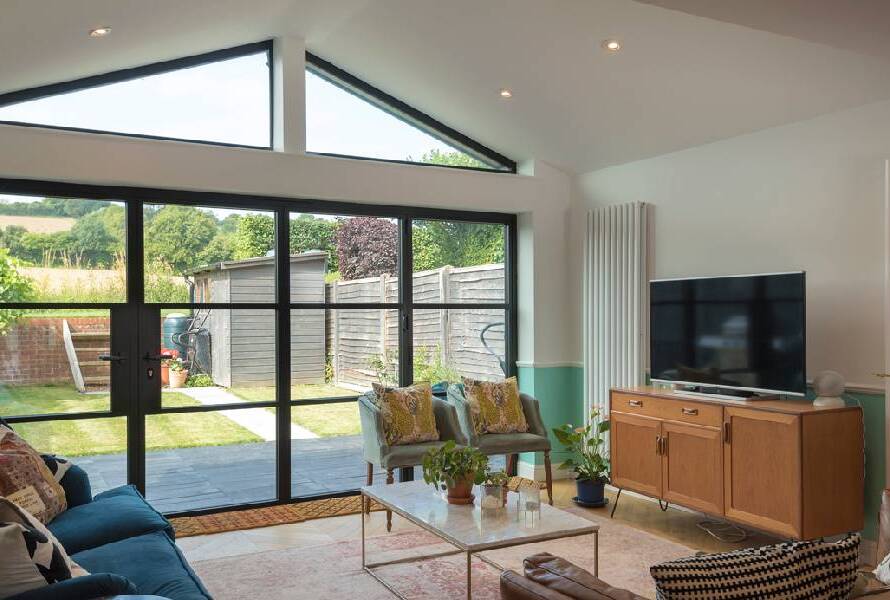
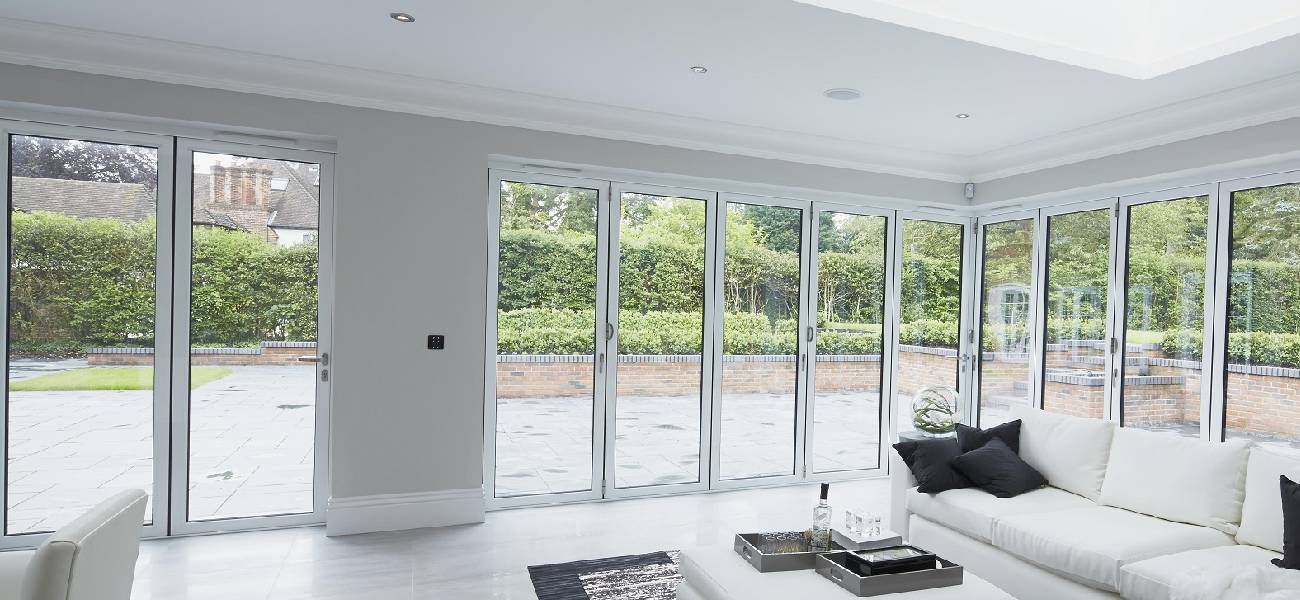
The perception of uPVC windows and doors has shifted dramatically in recent years. Once associated almost exclusively with standard white frames, today’s market offers a wide spectrum of finishes, textures, and ultra-slimline profiles that align with contemporary UK architectural trends.
For homeowners, landlords, and developers, the search intent is clear: how to balance modern aesthetics, energy performance, and regulatory compliance without compromising long-term value. This guide draws on over 30 years of installation experience to provide a grounded, UK-specific perspective on selecting modern uPVC solutions in 2026.
Understanding Modern uPVC Window Finishes in 2026
Modern window finishes go far beyond colour-they influence durability, maintenance, and even compliance considerations.
Definition:
A modern uPVC window finish refers to the external coating or foil applied to uPVC frames, designed to replicate materials like timber or aluminium while enhancing weather resistance.
Popular Finishes in the UK Market
- Anthracite Grey (RAL 7016) – The dominant choice for contemporary homes and extensions
- Woodgrain Foils – Realistic oak, rosewood, and walnut finishes for conservation areas
- Dual Colour Frames – White internally, coloured externally for planning flexibility
- Matte & Textured Finishes – Increasingly used in high-end developments
From a site perspective, darker finishes absorb more heat. On south-facing elevations, installers must account for thermal expansion-particularly in large spans. Poor allowance here can lead to frame distortion over time.
Slimline uPVC Frames: Performance Meets Aesthetics
Slimline designs are one of the biggest shifts in uPVC windows and doors.
Definition:
Slimline uPVC frames are engineered profiles with reduced frame thickness, allowing for larger glass areas and increased natural light without compromising structural integrity.
Why Slimline Matters in 2026
- Maximises daylight (critical for EPC improvements)
- Aligns with aluminium-style aesthetics at a lower cost
- Improves sightlines for bi-fold and sliding systems
However, slimline doesn’t mean compromise-free.
Installation Reality Check
- Structural openings must be measured precisely-tolerances are tighter than traditional frames
- Reinforcement (steel or composite) is essential for larger apertures
- Wind load calculations are particularly important in exposed UK locations
In older UK housing stock-Victorian terraces or 1930s semis-reveals are rarely perfectly square. This can complicate slimline installations and require additional packers or frame adjustments.
What You Must Get Right in the UK
When upgrading uPVC windows and doors, compliance is not optional-it directly affects property value, resale, and legality.
Key Regulatory Requirements
- Certification through FENSA or equivalent Competent Person Scheme
- Adherence to UK Government Building Regulations (Part L for energy efficiency, Part F for ventilation)
- Meeting Energy Performance Certificate (EPC) targets
Legal vs Strategic Decisions
Legal Compliance:
- Window U-values must meet current standards (typically 1.4 W/m²K or better)
- Trickle vents required unless exempt
- Safety glazing in critical locations (doors, low-level glazing)
Strategic Decisions:
- Triple glazing vs high-performance double glazing
- Frame material vs long-term maintenance
- Colour choice vs resale appeal
A common mistake is prioritising aesthetics over compliance. For example, removing trickle vents for a cleaner look can lead to failed inspections.
1930s Semi in Hertfordshire
A recent project highlights how these elements come together.
Property Type: 1930s semi-detached
Client Goal: Modernise appearance while improving EPC rating
Challenges Identified During Survey
- Uneven brickwork affecting frame alignment
- Limited cavity insulation
- South-facing bay window prone to heat gain
Solution Delivered
- Slimline anthracite grey uPVC frames with reinforced profiles
- Low-E double glazing with argon gas fill
- Retained trickle ventilation to meet regulations
- Bay window structurally supported with upgraded lintel checks
Outcome
- EPC improved from D to C
- Noticeable increase in internal daylight
- Modernised kerb appeal without planning complications
This type of project demonstrates the importance of balancing design ambition with technical execution.
Installation Realities: What to Expect On Site
Even the best products can underperform if installation isn’t handled correctly.
Typical Installation Timeline
- Survey & measurements: 1-2 weeks
- Manufacturing: 2-4 weeks
- Installation: 1-3 days depending on property size
Common On-Site Challenges
- Weather delays (particularly in winter months)
- Access restrictions (scaffolding required for upper floors)
- Internal disruption (dust, temporary removal of old frames)
Practical Checklist for Homeowners
- Confirm installer certification (FENSA or equivalent)
- Request written specification of glazing and finishes
- Ensure waste removal is included
- Check lead times before committing
Material Comparison: uPVC vs Aluminium vs Timber
Choosing the right material is a strategic decision that affects cost, performance, and maintenance.
| Feature | uPVC | Aluminium | Timber |
|---|---|---|---|
| Cost | Moderate | Higher | High |
| Maintenance | Low | Low | High |
| Thermal Efficiency | Excellent | Good (with thermal break) | Excellent |
| Aesthetic Flexibility | High (modern finishes) | Very high | Traditional appeal |
| Lifespan | 20-30 years | 30+ years | Variable (depends on upkeep) |
For most UK properties, modern uPVC windows and doors now offer the best balance of performance and affordability-especially with advanced finishes.
Enhancing Home Kerb Appeal in 2026
Kerb appeal is no longer just about appearance-it influences valuation and buyer perception.
Key Trends
- Dark external frames with light interiors
- Larger glazed areas using slimline profiles
- Consistency between windows, doors, and rooflines
Practical Tip
Matching window finishes with front doors and fascia elements creates a cohesive look. Mismatched upgrades are one of the most common issues seen during property refurbishments.
Strategic Buying Guide: Making the Right Choice
To make an informed decision, focus on these core factors:
1. Property Type
- Conservation area? Consider woodgrain finishes
- New build? Slimline grey or black frames
2. Orientation
- South-facing = consider heat management
- North-facing = maximise insulation
3. Long-Term Value
- Energy efficiency impacts EPC and resale
- Durable finishes reduce maintenance costs
4. Installer Expertise
- Experience matters more than product branding
- Look for proven UK installation history
Where Modern Design Meets Practical Performance
The evolution of uPVC windows and doors in 2026 offers genuine flexibility for UK property owners. Modern finishes and slimline designs allow you to achieve contemporary aesthetics without sacrificing compliance or performance.
However, success lies in execution-accurate surveying, compliant installation, and informed material selection.
At Design A View, projects are approached with a focus on long-term value, regulatory compliance, and practical installation realities-ensuring every upgrade performs as well as it looks.
Frequently Asked Questions
Yes, typically 10-20% more due to foil application and manufacturing processes. However, they add significant visual value and appeal.
No, provided they include proper reinforcement. Structural integrity depends on profile design and installation quality.
Usually no, unless the property is in a conservation area or listed. Always check with your local authority.
High-performance glazing and improved insulation can positively impact EPC scores, often improving by one band.
Most high-quality finishes last 10-15 years without fading, with overall frame lifespans exceeding 20-30 years.