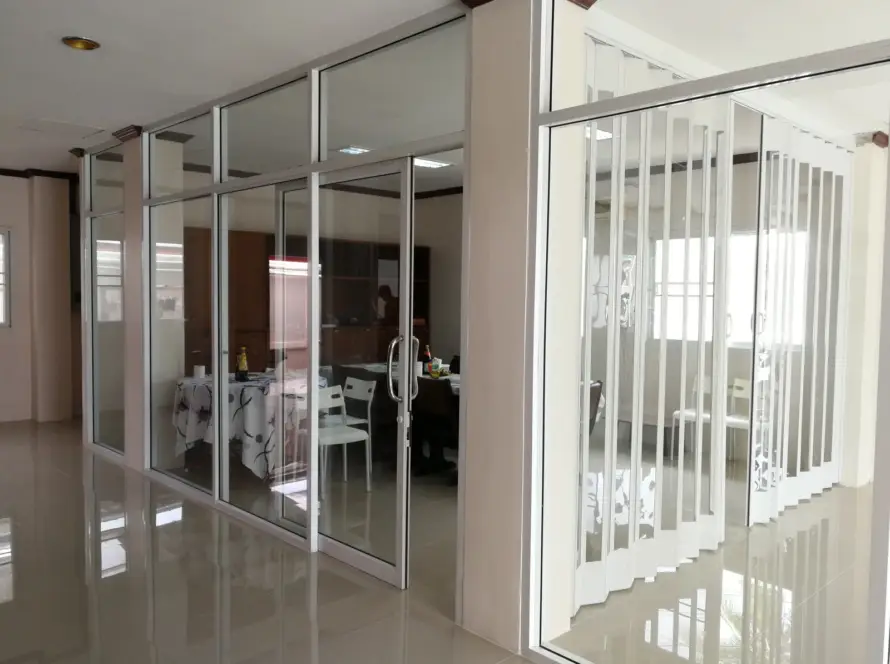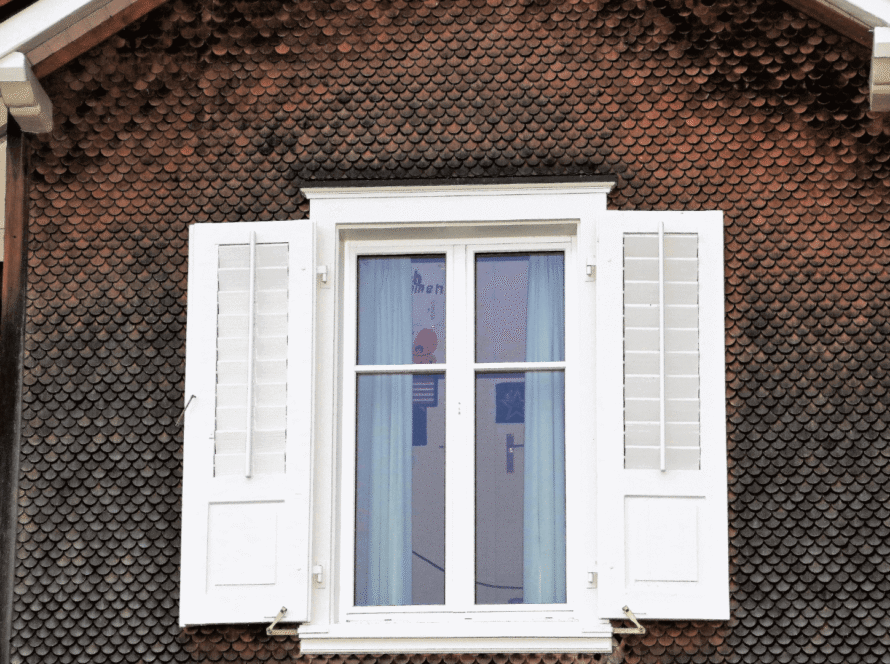
Upgrading the fenestration of a property is one of the most significant capital investments a UK homeowner or developer can undertake. In a market like Stevenage-where the housing stock ranges from mid-century New Town developments to traditional suburban builds-the choice of windows and doors in Stevenage requires a balance of aesthetic sympathy, thermal performance, and strict regulatory compliance.
As a specialist with over 30 years of experience in the UK glazing industry, I have seen how poorly executed installations lead to interstitial condensation, heat loss, and legal headaches during property divestment. This guide provides a technical roadmap for navigating structural alterations, material selection, and the critical compliance frameworks that govern high-quality installations in Hertfordshire.
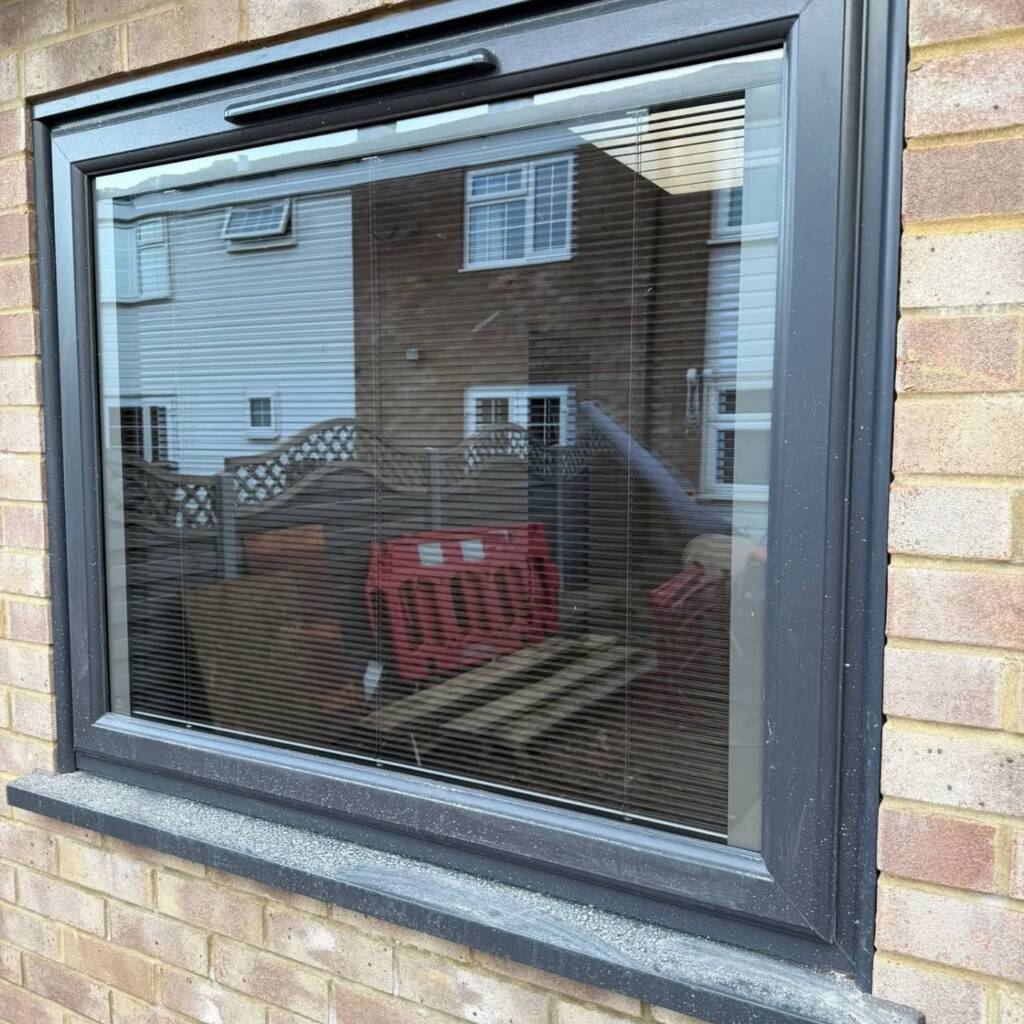
Navigating UK Building Regulations and Compliance
Before a single pane of glass is ordered, understanding the legal framework is paramount. In the UK, replacement windows and doors must comply with Building Regulations, specifically Approved Document L (Conservation of fuel and power) and Approved Document F (Ventilation).
For most residential projects, compliance is managed through a FENSA (Fenestration Self-Assessment Scheme) registered installer. This certification ensures the work meets thermal performance standards-currently requiring a U-value of $1.4 W/m²K$ or better for replacement windows-and that the local authority is notified of the installation. Without a FENSA certificate or a Building Control completion notice, selling your property in the future will be significantly complicated, as solicitors will flag the lack of indemnity during the conveyancing process.
The Impact on Your EPC Rating
Beyond legalities, high-performance glazing is a primary lever for improving a property’s Energy Performance Certificate (EPC). With the UK government’s push toward Net Zero, improving a rating from a ‘D’ to a ‘B’ or ‘C’ adds tangible market value. Modern double or triple-glazed units utilize Low-E (low-emissivity) glass and argon gas fills to create a thermal barrier, drastically reducing the heating demand of Stevenage homes.
Material Strategy: uPVC vs. Aluminium vs. Timber
Choosing the right material is a strategic decision that affects the lifespan and maintenance profile of your property.
| Feature | uPVC | Aluminium | Engineered Timber |
| Durability | 20–25 Years | 40+ Years | 30–60 Years (with care) |
| Maintenance | Minimal (Wipe down) | Minimal (Powder coated) | High (Periodic painting) |
| Aesthetics | Improving, but thicker | Sleek, modern, slim | Traditional, premium |
| Thermal Efficiency | Excellent | Very Good (with thermal break) | Excellent |
In many Stevenage renovation projects, Aluminium has become the gold standard for Bi-Fold Doors Stevenage and large-scale glazing. Its inherent strength allows for slimmer sightlines, meaning more glass and less frame. Conversely, high-quality uPVC remains the most cost-effective solution for standard window replacements, offering exceptional thermal “multi-chamber” insulation that prevents heat from escaping through the frame itself.
Mastering Structural Alterations in Stevenage
Many homeowners desire to “bring the outside in,” which often necessitates structural alterations in Stevenage. This isn’t just a matter of swapping a window for a door; it involves the precision removal of masonry and the installation of load-bearing lintels.
When enlarging an opening for a five-pane bi-fold system, a structural engineer’s calculation is non-negotiable. The new opening must support the weight of the brickwork or floor joists above. In my experience, the most common site issue is discovering “hidden” utilities or substandard historical lintels that require immediate rectification.
Why Lintels Matter
A “sagging” door frame is rarely a fault of the door itself; it is almost always a failure of the structural support above it. When planning Structural Alterations Stevenage, ensure your installer coordinates with Building Control to inspect the steelwork before it is “made good” (plastered over). This ensures the structural integrity of your home remains uncompromised.
The Rise of Bi-Fold and Sliding Doors
The demand for Bi-Fold Doors Stevenage has surged as residents seek to maximise their garden views. However, the choice between bi-fold and sliding doors should be dictated by how you use the space.
- Bi-Fold Doors: These offer a 90% clear opening, folding back like an accordion. They are ideal for social spaces where seamless indoor-outdoor flow is the priority.
- Sliding Doors: These offer larger uninterrupted glass panes and “slim-frame” technology. They do not require “stacking” space, making them superior for smaller patios or wind-prone elevations.
During the survey stage, we must account for the “threshold.” A “flush threshold” (where the floor levels match perfectly) requires specific drainage considerations to prevent water ingress during heavy Hertfordshire downpours.
Roof Lights Installation: Illuminating Dark Spaces
For properties with single-story rear extensions, Roof Lights Installation Stevenage is the most effective way to introduce “zenithal” light. Research suggests that roof lights can provide up to three times more daylight than vertical windows of the same size.
Technical Considerations for Roof Lights:
- Pitch and Orientation: A north-facing roof light provides steady, cool light, while south-facing units may require solar-control glass to prevent overheating in summer.
- Upstand Requirements: Every roof light requires a structural upstand (usually a minimum of 150mm) to ensure it remains watertight and complies with UK roofing standards.
- Acoustic Glazing: If your property is near the A1(M) or a busy rail link, specifying laminated acoustic glass in your roof light can significantly dampen external noise.
Protecting the Fabric: Soffits and Fascias
While windows and doors are the focal points, the roofline is the property’s first line of defence. Soffits and Fascias are often overlooked until they rot, leading to damp issues in the rafters and wall cavities.
Modern uPVC roofline products provide a maintenance-free alternative to traditional timber. When we replace windows, we often find that the existing fascias are failing, allowing water to track behind the new window frames. Integrating the replacement of Soffits and Fascias ensures a holistic weather-tight seal for the building envelope.
Ventilation in the Roofline
It is a common error to seal a roofline so tightly that the attic cannot “breathe.” Professional installation must include over-fascia ventilation or vented soffits to prevent condensation and dry rot in the roof timbers, adhering to Approved Document C of the Building Regulations.
Enhancing Privacy with Internal Doors Installation
A transformation isn’t limited to the exterior. Professional Internal Doors Installation is a subtle but powerful way to improve the acoustics and fire safety of a home.
In the UK, many “New Town” homes in Stevenage were built with open-plan layouts that can be difficult to heat. Installing high-quality internal doors-particularly those with a solid core-can create “thermal zones,” allowing you to heat only the rooms you are using. Furthermore, if you are converting a loft or creating a three-story dwelling, you must install Fire Doors (FD30) to comply with life-safety regulations. These doors are designed to resist fire for 30 minutes, providing a vital escape route.
Realistic Installation Timeline and Disruption
A common misconception is that a window installation is a “one-day job.” For a standard three-bedroom semi-detached house in Stevenage, a realistic timeline is as follows:
- Initial Survey (1–2 hours): Precision measurements and assessment of structural integrity.
- Manufacturing (4–8 weeks): Bespoke units take time to fabricate, especially for aluminium or custom RAL colours.
- Installation (2–4 days): Removing old units, prepping openings, fitting new frames, and “making good” the internal reveals.
- Weather Delays: External sealant application cannot be performed in heavy rain or sub-zero temperatures. We always build a “buffer” into our schedules for Hertfordshire’s unpredictable weather.
Case Study: A Mid-Century Modern Update in Old Town
We recently completed a project in Stevenage Old Town involving a property that suffered from significant heat loss and outdated aesthetics. The homeowners opted for a comprehensive upgrade:
- Requirement: Replace blown uPVC windows and install a new rear opening for garden access.
- Solution: We installed anthracite grey aluminium windows and a 4-metre set of Bi-Fold Doors Stevenage.
- The Challenge: The rear wall required a new 4.2m RSJ (Rolled Steel Joist) to support the upper floor.
- The Outcome: The property’s EPC rating improved from an ‘E’ to a ‘C’. By integrating Soffits and Fascias replacement at the same time, we ensured the entire rear elevation was maintenance-free for the next 25 years.
This project highlights the importance of using a single contractor capable of handling both the Structural Alterations Stevenage and the high-precision glazing installation.
Choosing Your Stevenage Installer
Before signing a contract, ensure your chosen specialist meets these criteria:
- FENSA or CERTASS Registered: Essential for legal compliance.
- Insurance Backed Guarantee (IBG): Protects your deposit and warranty if the company ceases trading.
- Structural Competency: Do they understand lintel requirements for larger openings?
- Local Reputation: Can they provide references for recent work in the Stevenage or North Herts area?
- Transparent Pricing: Does the quote include skip hire, scaffolding and VAT?
Summary of Strategic Decision Making
Investing in windows and doors in Stevenage is about more than “new glass.” It is a strategic move to secure your property’s structural integrity and thermal efficiency. By selecting the right materials-whether it’s the sleek lines of aluminium for your Bi-Fold Doors or the durability of uPVC for your roofline-you ensure long-term value.
At Design A View, we bring over three decades of UK-specific expertise to every project. From the initial structural survey to the final FENSA certification, we ensure your home transformation is compliant, efficient, and visually stunning.
Frequently Asked Questions
In most cases, replacing windows and doors on a like-for-like basis falls under “Permitted Development” and does not require planning permission. However, if your property is a listed building or located in a Conservation Area (such as parts of Old Town Stevenage), you must seek consent from Stevenage Borough Council before proceeding.
A U-value measures the rate of heat loss through the window (the lower the number, the better the insulation). A Window Energy Rating (WER) uses a rainbow scale (A++ to E) to represent the overall energy efficiency, accounting for solar gain and air leakage as well as heat loss.
Yes, but this requires Structural Alterations Stevenage. The brickwork below the window (the “apron”) must be removed, and the existing lintel must be checked to ensure it can support the wider span of a bi-fold system.
Once the installation is complete and the installer has notified FENSA, you should receive your certificate via post within 2-4 weeks. This document is vital for your “Home Information Pack” when selling the property.